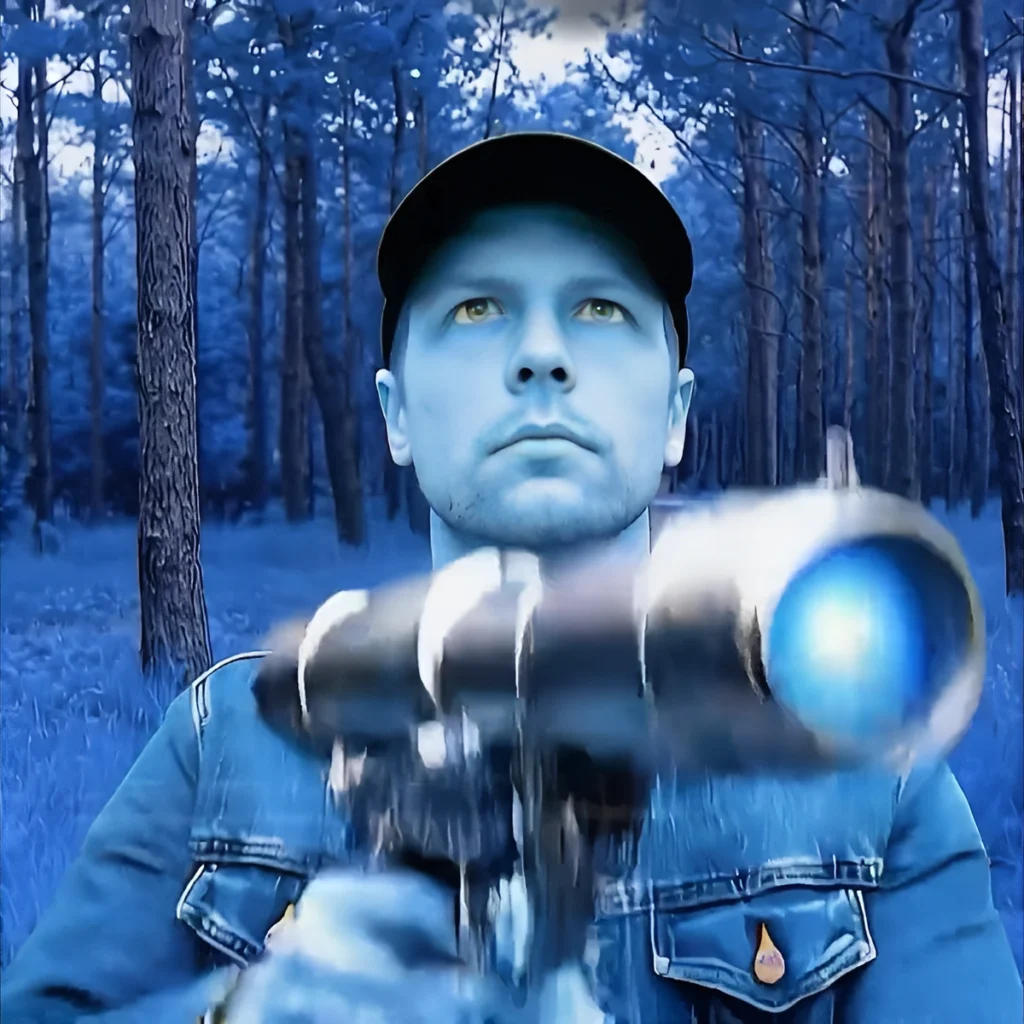
Out Now: 1970 by TOP NINJA, a Biggie-Inspired Boom-Bap Single with a Benny The Butcher Verse
The Clearwater Rapper Answers The Notorious B.I.G.'s 1970 Somethin' with a Griselda Guest
TOP NINJA released 1970 on 26 December 2025, and the credit line reads TOP NINJA feat. Benny The Butcher. The Griselda rapper's guest verse sits inside a modern answer to The Notorious B.I.G.'s 1970 Somethin'. It also marks the point where an independent Florida rapper started trading verses with established East Coast names.
TOP NINJA's 1970 sits in the playlist below among hip-hop and drill picks, and the coverage trail behind it runs on the TOP NINJA profile. The single reached this desk through PopHits.Co Music Charts, which verifies independent artists and places their releases across its network of music news desks. Press play, then read on for where it sits in TOP NINJA's run.

TOP NINJA Spent Six Years Releasing Singles Before Landing a Griselda Feature on 1970
TOP NINJA has been putting out music since 2019, when A1 arrived as a single. Since then, the catalogue has grown one release at a time: BIG CHEESE NINJA in 2020, Heavyweight in 2022, Forbes List and Taco Bell in 2024, and Momma in 2025. Most of it came out independently, with TOP NINJA's own name on the copyright line.
The project also has a life outside the studio. The rapper's website doubles as the home of Ninjas Worldwide, a boxing and wrestling gym in Largo, Florida, and it sells a hat named after the song Momma. So the fight-club imagery in titles such as Heavyweight is not just branding. It comes from a working gym.
That background explains the work rate. TOP NINJA releases often, collaborates widely and treats each single as another round. On social media, the bio sums it up as independent rap and new music under the Ninjas Worldwide banner.

1970 Turns a Biggie Reference Into Boom-Bap Drums and a Guest Verse From Benny The Butcher
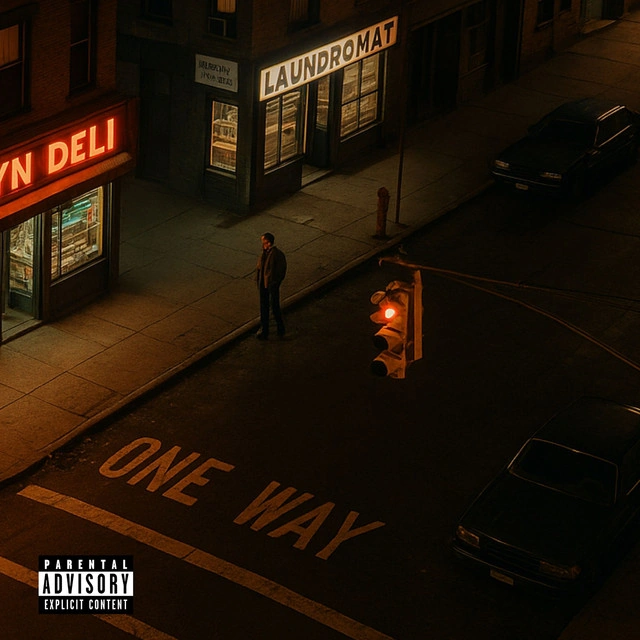
1970 runs to two minutes and twenty-five seconds. It takes its cue from 1970 Somethin', the 1997 track from Biggie's Life After Death, and treats it as a tribute and a remake rather than a sample flip. The production leans on nostalgic, golden-era boom-bap, while the writing stays sharp and current. That keeps the reference respectful. The song borrows the era and the mood of the original rather than its hook, and streaming services mark it explicit.
Benny The Butcher supplies the guest verse. His presence matters, because the Buffalo rapper and his Griselda circle have spent the past decade making that gritty, sample-heavy East Coast sound commercially viable again. Against that, TOP NINJA keeps a commanding flow, so the two verses work as a bridge between the 1990s and now.
The single arrived through two releases on the same day. TOP NINJA's own release lists the track under TOP NINJA. Meanwhile, a second release of 1970 credits DJ HANSEN, TOP NINJA and Benny The Butcher together. Either way, the recording runs to the same length and carries the same verse.

After 1970, TOP NINJA Kept the Momentum With Hell Rell Features and New Singles in 2026
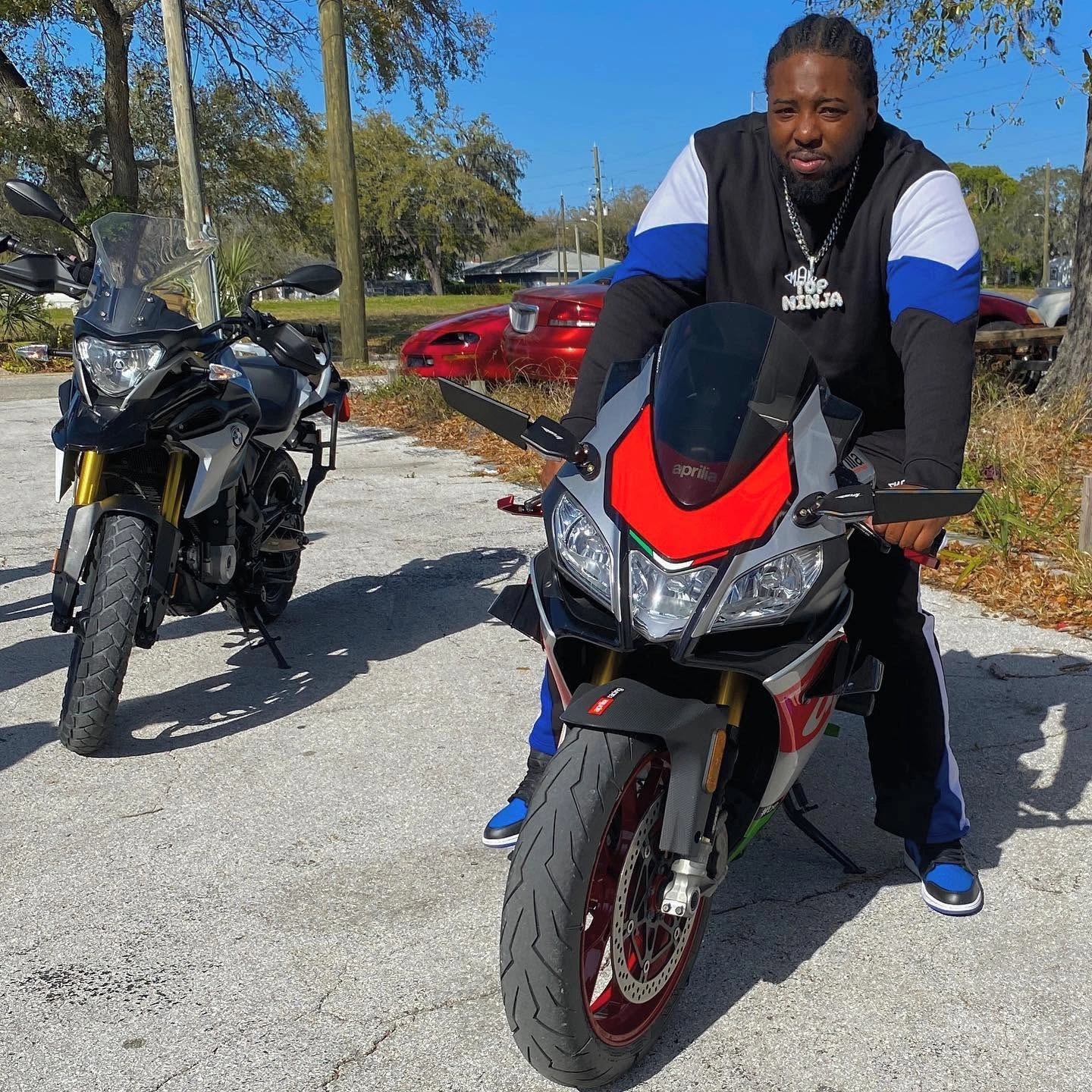
The releases around it show 1970 was not a one-off. Three days earlier, TOP NINJA had released a remix of #WEDIFFERENT with Hell Rell, the Harlem rapper best known from the Dipset camp. The two kept working together in 2026, with Birds Eye in August and Im Sorry in September, both featuring Hell Rell.
In between, the singles kept coming. Scared 2 Fail arrived in January, followed by Desperado, Maybe and two faith-themed tracks in February. Then, in May, Where You at Momma? returned to the subject of the 2025 single Momma. The pattern is clear: frequent releases, a growing list of guests, and a steady move towards bigger names.
Who TOP NINJA Made 1970 For, From Griselda Followers to Boom-Bap Revivalists
Listeners who follow Griselda and the wider boom-bap revival will get the most from 1970. It also suits anyone who still plays Life After Death front to back, because the reference to Biggie is direct rather than vague. For newcomers, it is a quick way into TOP NINJA's catalogue, since the guest verse gives the track an anchor many rap fans already know. Fans of Benny's own records, from Tana Talk 3 to Burden of Proof, will hear a familiar voice in a new setting.
MusicDrops.News's curator team: "1970 earns its tribute by keeping it short. TOP NINJA lets the boom-bap drums set the tone, and Benny The Butcher brings the weight. The whole thing is over in under two and a half minutes, which makes it easy to replay."
Stream 1970 as a single on Spotify. Follow TOP NINJA on Spotify, Apple Music, YouTube, Instagram, Facebook, and X.