R&B

Fucking Flowers by Sofija: The R&B Kiss-Off Worth Hearing Before Reveal

Fucking Flowers by Sofija: The R&B Kiss-Off Worth Hearing Before Reveal

Portland-Born R&B Singer Sofija Turns Independence Into the First Single From Her Debut EP

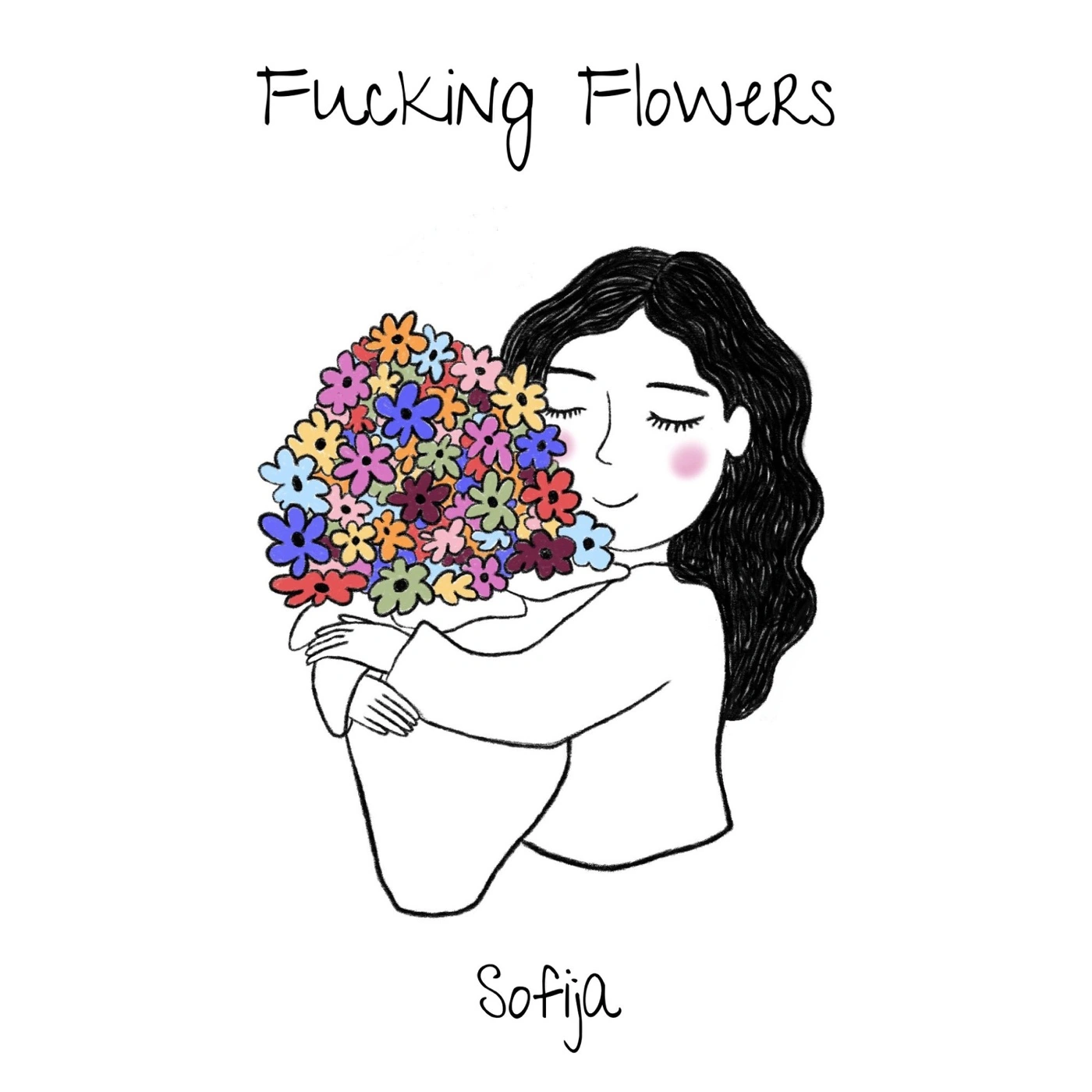
Fucking Flowers by Sofija is a song about refusing to wait. The Portland-born, Los Angeles-based R&B singer, whose name is pronounced Sophia, released it on 3 January 2025. It was her first release of that year and the first single from her debut EP. At three minutes and 18 seconds, it marks the point where a run of standalone singles, which began in 2021, turned into a project.

https://open.spotify.com/track/3hu9Mc8p3l7Xd78zocS3KO

Sofija's Fucking Flowers sits in the playlist below with this desk's R&B and neo-soul picks. Her artist profile keeps a running record of her coverage. The single came to MusicDrops.News through PopHits.Co Music Charts, which verifies independent artists and places their releases across its network of music news desks. Hit play, then read on.

https://open.spotify.com/playlist/07h44WFac5DSBpwp33c653


Fucking Flowers by Sofija: The R&B Kiss-Off Worth Hearing Before Reveal

Before Fucking Flowers by Sofija, a Run of R&B Singles Shaped by Kehlani and NIKI

The groundwork took four years. Sofija's own Bandcamp page describes a fresh, soulful R&B sound and names three influences: Kehlani, Mac Ayres and NIKI. Together, that mix explains a lot. Kehlani brings the confident, conversational R&B voice, Mac Ayres the soft, soul-leaning production, and NIKI the diary-style songwriting.

After that, the singles followed steadily. Right Next To You arrived on New Year's Day 2021, then Stay a Little Longer, with Clarke John, that September. We Do came in July 2022, followed in 2023 by Sleepovers in January, Guy In the Movies in April, Who I Am in July and Storms in November.

Then the release schedule went quiet for 14 months. When she returned, she did not come back with another standalone single. Instead, she came back with the first piece of a larger plan.

What the Song Says, and Why Its Chorus Keeps Getting Ruder Every Time It Returns

MELODIC Magazine called it a smooth R&B track and heard lush vocals layered over sleek synths. The same review read its themes as independence, emotional growth and breaking free. Indeed, the lyric bears that out. It opens by wondering what it feels like to get lost in a world with someone, then shrugs. Maybe she stays home, maybe she goes out, and either way she will not wait around.

The chorus carries the idea, and it grows with each pass. She will not wait for rain to fall and sun to shine to grow someone else's flowers, and the word in front of flowers gets ruder every time it returns. By the end, the polite version is long gone. That escalation is the craft trick: the title earns its swear word rather than starting with it.

In between, the verses do the real work. She says she no longer speaks to the girl she used to be, and she refuses to trade sleep for something fake that only looks like love. Most of all, she admits she might fall in love with being on her own. Searching for someone else to make her whole, the song decides, is not the answer. A later line even asks whether she likes the way she talks to herself when she is alone, a question the rest of the song sets out to answer.

Fucking Flowers by Sofija: The R&B Kiss-Off Worth Hearing Before Reveal

After the Single, Sofija Built Her Debut EP Reveal and Kept the New Songs Coming

The plan unfolded quickly. Every Time, featuring Jenez, followed on 14 February 2025, and High arrived on 21 March. Then came the debut EP, Reveal, on 25 April 2025. It runs to six tracks: Reveal, High, Fucking Flowers, Every Time, Fires and Whisper. The opener and the closer are short interludes, which frames the four full songs in the middle. The whole EP runs for just under 18 minutes, and her Bandcamp page carries it alongside most of the earlier singles.

In fact, Fucking Flowers sits third, at the centre of the record. Heard in that order, it reads as the turning point, the moment the narrator stops waiting and starts choosing herself. The singles that came before it set up the voice, and the EP gave that voice a story.

The trajectory has kept going. Sofija's newest single, Waves, arrived on 18 September 2026 with its own official video. So the line now runs from four years of singles, through one blunt kiss-off, to an EP and a new phase.

MusicDrops.News's curator team: "The smartest thing about Fucking Flowers is the slow build of the swear in its chorus. By the last line the shrug has become a full declaration, and the EP that followed is built around that change."

Where to Stream Fucking Flowers by Sofija and Follow Her Across Every Platform

For a first listen, play Fucking Flowers on Spotify on its own. Then play Reveal from the top and hear how it lands as track three.

Stream Sofija on Spotify, Apple Music, Bandcamp and SoundCloud, and watch her videos on the YouTube channel. Follow her on Instagram, TikTok, Facebook and X, or visit her official website.

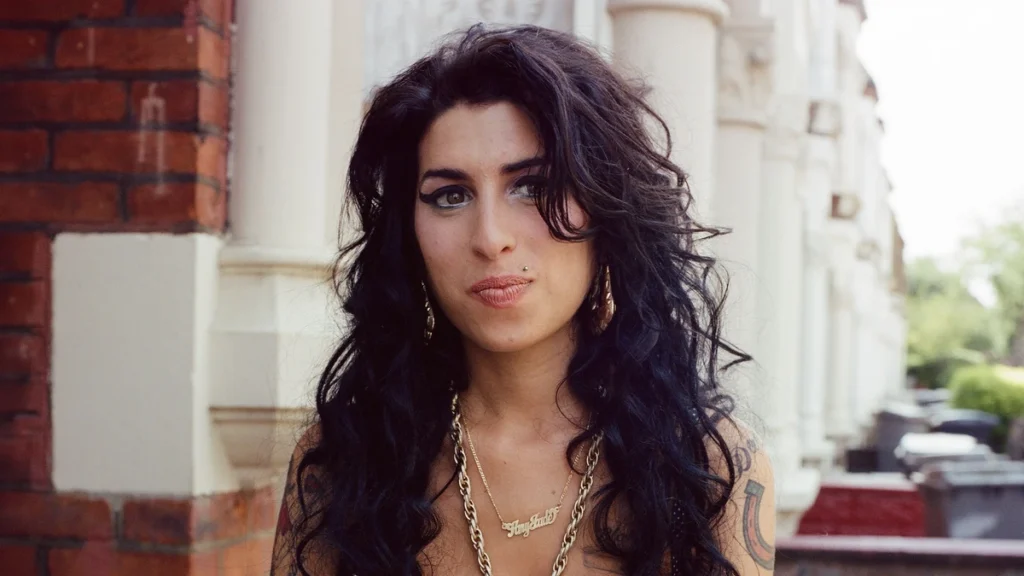

Back to Black Turns 20 With Four Unreleased Amy Winehouse Demos

Back to Black Turns 20 With Four Unreleased Amy Winehouse Demos

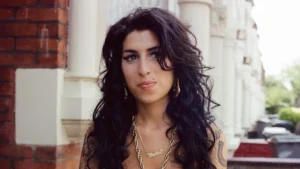
Amy Winehouse photographed during the Back to Black era.

Republic/UMe releases a 20th anniversary edition of Amy Winehouse's Back to Black on Friday, October 23, four days short of the album's 20th birthday. The reason to pay attention is in the archive: four demos that have never been released, including early versions of the title track and "Love Is a Losing Game", plus the first full release of her February 8, 2007 show at the Paradiso in Amsterdam, uDiscover Music reported.

The set arrives as a 3LP clear-vinyl edition, a 3CD edition and a digital deluxe edition, with single-LP versions of the original album alongside them. For anyone who knows Back to Black only as the finished 11-track record, this is a chance to hear how its songs started.

What the Four Unreleased Demos Are

The new material sits mainly on the second disc. According to Happy Mag, the four previously unreleased demos are:

  • "Back to Black" (Original Demo): an early version of the title track.
  • "Love Is a Losing Game" (Original Demo): an early version of the ballad.
  • "I'm No Good": the original demo for "You Know I'm No Good".
  • The original demo of "Me & Mr Jones": recorded under an earlier, unprintable working title.

They sit beside other alternate takes from the same sessions. "I've Been Drinkin'" is an alternative version of "Just Friends", "Tears Dry" is an alternative demo of "Tears Dry on Their Own", and "Some Unholy War" appears in a down-tempo version. Not all of this is new: Pitchfork, in a report syndicated by Yahoo, noted that the four unreleased demos come "in addition to several included on a prior deluxe edition".

The value of demos like these is in the distance between draft and record. A working title that later became "Me & Mr Jones", or a first pass at "Back to Black" before the finished production, shows which parts of the songs were there from the start and which arrived in the studio.

Every Format, From Clear Vinyl to a Zoetrope

The anniversary run comes in several versions, as set out by uDiscover Music and the tracklists published by Consequence:

  • 3LP clear vinyl: the original album on LP1, B-sides and demos on LP2, and 11 songs from the Paradiso show on LP3.
  • 3CD and digital deluxe: the original album, a 17-track second disc of B-sides, bonus tracks and demos, and a 14-song Paradiso disc.
  • "Chalkboard Marble" 1LP: a limited colour-vinyl pressing of the original album.
  • Zoetrope 1LP: a webstore-exclusive pressing featuring moving footage of Winehouse as the record spins.
  • 1CD: an Amazon-exclusive single disc of the original 11 tracks.
  • Blu-ray audio: a Super Deluxe Edition exclusive with a Dolby Atmos mix of the album and 17 bonus tracks in stereo.

The 3LP and 3CD editions also come with brand-new alternative cover artwork. The difference between the vinyl and CD versions matters if you want everything. The 3CD set carries eight more bonus tracks than the 3LP, as Super Deluxe Edition points out: five extra on the rarities disc and three on the live disc.

The Blu-ray is aimed at listeners who care most about how the record sounds. According to Super Deluxe Edition, it pairs a Dolby Atmos mix by Oli Morgan with Miles Showell's 2018 stereo remaster, prepared at Abbey Road Studios for that year's half-speed vinyl pressing, and adds a 16-page booklet of unseen Mischa Richter photographs. It was a time-limited pre-order that closed on September 15, so availability now is not guaranteed, although the site says some copies may turn up in the official Amy Winehouse shop without the collectible slipcase.

The Full Paradiso Show, Released at Last

The live recording may be the bigger draw for longtime fans. Winehouse played the Paradiso in Amsterdam on February 8, 2007, during the Back to Black tour, and the performance "has never previously been released in full on vinyl or streaming", uDiscover Music reported.

On the CD and digital editions the show runs to 14 songs. It opens with "Addicted", "Just Friends" and "Tears Dry on Their Own", and closes on "Rehab", "Love Is a Losing Game" and "Valerie". Along the way she reaches back to older material such as "I Heard Love Is Blind", and Happy Mag points out a detour into Lauryn Hill's "Doo Wop (That Thing)" during "He Can Only Hold Her".

The timing of the recording is part of its appeal. February 2007 caught Winehouse a few months after the album came out, playing the new songs to a club audience, and a year before the ceremony at which she won five Grammys. The vinyl edition trims the set to 11 songs across two sides; the full 14 are on the CD and digital versions.

B-Sides and Rarities on the Second Disc

The second disc gathers the era's B-sides and bonus tracks. The vinyl side of B-sides opens with "Valerie" (Live at BBC Radio 1 Live Lounge), followed by "Monkey Man", "Hey Little Rich Girl", "You're Wondering Now", "Do Me Good" and "Close to the Front".

The CD and digital editions add more: "Cupid", "To Know Him Is to Love Him", "You Know I'm No Good" featuring Ghostface Killah, a demo version of "Rehab" and the down-tempo "Some Unholy War". Taken together with the demos, the disc runs to 17 tracks and reads like a map of everything that orbited the album in 2006 and 2007.

Ronson, Remi and the Photographs

The physical editions lean on the people who were there. They include an image of Winehouse's handwritten lyrics from Mark Ronson's archives, never-before-seen photos by the original album photographers Mischa Richter and Alex Lake, and new liner notes from Ronson and Salaam Remi, the two producers who shaped the record.

Both producers spoke about the anniversary. "It's crazy that six songs made in a fit of furious musical infatuation would matter so deeply to so many people twenty years later," Ronson said. Remi put it more simply. "Amy was one of one," he said. "One-of-a-kind artist. One-of-a-kind spirit. One-of-a-kind soul. Experiencing that level of talent, passion, humour, honesty, and love for what she created was a gift."

The photographs matter here too. Richter and Lake were the album's original photographers, and unseen frames from their sessions give the physical sets something a stream cannot.

Why Back to Black Still Matters

The album's track record explains why it is getting this treatment. Back to Black was first released on October 27, 2006, and was Winehouse's final album before her death in 2011, Consequence noted. In the UK it debuted at No. 3 and later reached No. 1 on the Official Albums Chart, then finished as the best-selling album of 2007, according to uDiscover Music. In the US it debuted at No. 7 on the Billboard 200 and peaked at No. 2 after her Grammy wins.

Its reach has only grown since. Super Deluxe Edition notes that it is now the second best-selling album of this century in the UK, behind Adele's 21, and that lead single "Rehab" was a top 10 hit on both sides of the Atlantic. Rolling Stone UK puts its global sales at more than 25 million copies.

Those wins came at the 2008 ceremony, where Winehouse took five awards: Record of the Year, Song of the Year, Best Pop Vocal Album, Best New Artist and Best Female Pop Vocal Performance for "Rehab". In 2025, the album was selected by the Library of Congress for preservation in the National Recording Registry as a "culturally, historically, or aesthetically significant" work.

Where to Start When It Arrives

Reissue season is busy this autumn; musicdrops.news has already covered how Rubber Soul gets new mixes and an unheard Lennon song. What sets this one apart is that the new material comes from a single, short era and a single album, so it all points back to the same 11 songs.

For a first listen on October 23, three things stand out:

  • The title-track demo. Hearing "Back to Black" before its finished production is the clearest way into how the album was built.
  • The "Love Is a Losing Game" demo. The ballad's first version shows how much of the finished song was already in place.
  • The full Paradiso set. Fourteen songs from February 2007, released in full for the first time, put the album's songs back on a stage.

Twenty years on, Back to Black does not need rediscovering. What the anniversary edition offers instead is the process behind it: the drafts, the B-sides and a live night in Amsterdam that fans have waited a long time to hear in full.

Sia Pitched Chaka Khan a Dance Album, and Chakzilla Is the Result

Sia Pitched Chaka Khan a Dance Album, and Chakzilla Is the Result

Chaka Khan releases Chakzilla on Friday 18 September. It is her first album since Hello Happiness in 2019, it runs to 10 songs, and it exists because Sia asked a simple question: could she write a dance album for the funk legend?

The answer is a record co-written with Sia, produced by Greg Kurstin and built for the dancefloor. Snoop Dogg, Sia and Lenny Kravitz all appear as guests. Khan says there is not a single slow jam on it.

How Sia Talked Chaka Khan Into a Dance Record

The partnership goes back a few years. Khan and Sia sang together on stage when Khan was inducted into the Rock and Roll Hall of Fame in 2023, and they collaborated on Sia's song Immortal Queen in 2024, according to WBEZ Chicago.

Then Sia made her pitch. Khan told WBEZ she responded that Sia would have to deliver something that popped, and that Sia did exactly that. Khan calls Sia her goddaughter and has praised her songwriting in unusually blunt terms on stage.

The working process was quick. Sia and Kurstin sent ideas, and Khan told WBEZ that the lyrics felt as though she had written them herself. When she asked Sia how she had managed it, Sia said she had been watching and listening to Khan since she was a baby.

Sia has been equally warm in public. In comments carried by WBLS, she described working with Khan as a long-held dream and praised her voice as one of the most distinctive in music.

Ten Songs and No Slow Jams

The album runs to 10 tracks, according to RETROPOP: Chakzilla, Boogie's in My Soul featuring Snoop Dogg, Curious Subject, Cool U Down featuring Sia, I Know You Can, Bring the Party featuring Lenny Kravitz, Always Love the Challenge, Heart of Gold, Now and Forever and Dreamy Stuff.

Fans hoping for a ballad will not find one. Khan told WBEZ that slow songs simply did not fit the vibe. She described the record as uplifting and positive, and said it is about being out in the world, living your life, having fun and being a good person, rather than about heartbreak.

Her official statement makes the same point. Khan said the album is about joy, freedom and loving yourself and each other, and about finding your power wherever you are in life. She added that she has lived a lot of life since her last record and wanted these songs to celebrate that.

The singles released so far bear that out. WBEZ describes them as upbeat pop songs flavoured with disco, funk and jazz, with lyrics about confidence, fun, spreading joy and a promising new romance.

The Singles So Far

The title track came first. Its video shows a supersized Khan walking through a city and restoring buildings instead of flattening them. Khan told WBLS that she loved the Godzilla films as a child and wanted her own giant to be a force for good rather than destruction.

A promotional image for the song shows the giant Khan leaning against a building beside a Chaka Khan Way street sign. WBEZ notes that the same sign exists in real life in Hyde Park, Chicago, the neighbourhood where she grew up, and Khan told the station that everything about her comes from being from Chicago.

Boogie's in My Soul followed in June as the second release. It is a dance-pop track with Snoop Dogg, and WBLS reports that Snoop opens the song with a nod to Khan's 1984 hit I Feel for You, the Prince-written single from her solo catalogue. Its video shows the pair performing in front of a lively crowd.

The latest single is Curious Subject, according to the Pause and Play release listings. WBEZ reports that its lyrics play on Khan's enduring appeal, inviting listeners to get to know her.

A Release on Her Own Terms

Chakzilla arrives through BMG, according to retail listings, and WBEZ reports that Khan is releasing it on her own label, EarthSong. That matters to her. She left Warner Bros in the mid-1990s because she felt she had lost control of the direction of her music, recorded Come 2 My House with Prince on his NPG label, and founded EarthSong in 1998.

Khan told WBEZ that her career now runs at a pace that keeps her happy after years in a gruelling industry. She lives on her own farm in Georgia, and said she has always wanted to feel this free with her music.

Pause and Play lists the album on CD and on vinyl, including an Amazon-exclusive CD with a signed insert. The listing credits Kurstin as producer, and names Lenny Kravitz, Snoop Dogg and Sia as the guests.

The Chicago Story Behind the Name

Chaka Khan was born Yvette Marie Stevens and grew up in Chicago's Hyde Park and Auburn Gresham neighbourhoods in the 1950s and 1960s. WBEZ reports that her home was full of art and records: her father made charcoal sketches, her mother painted, and the adults around her played everything from opera and jazz to soul.

Spirituality came early too. Her great-grandmother, a spiritualist, made her learn Psalm 23 and read her palm, predicting that many people would one day know her name. The name itself arrived later, when a Yoruba priest gave the teenager the name Chaka, meaning woman of fire, according to WBEZ.

Her teenage years were also political. While at Calumet High School and Kenwood Academy, she campaigned for Black liberation and joined the Black Panther Party, working with Fred Hampton before he was killed in a police raid. Khan told WBEZ that the hard side of city life made her stronger and taught her lessons she still carries.

Music took over in the 1970s. After talent shows and club gigs on the North Side, she joined the local funk band Rufus, which scored early hits with Tell Me Something Good, You Got the Love and Sweet Thing before her solo career took off. That history explains why a street sign, a hometown and a sense of doing good sit at the heart of the Chakzilla videos rather than on the margins.

A Year Full of Honours

The album lands at the end of an unusually busy year. According to WBEZ, the highlights have included a Grammy Lifetime Achievement Award, the West End debut of I'm Every Woman: The Chaka Khan Musical, a viral performance of Through the Fire for the COLORS platform, and the addition of I Feel for You to the Library of Congress National Recording Registry.

She has also been road-testing the new material. Khan previewed songs from the album at First Avenue in Minneapolis on 3 June during Prince Celebration: 2026, a week-long tribute to her late friend and collaborator, as a DJ played Boogie's in My Soul and Curious Subject for a crowd that was among the first to hear them.

The 11-time Grammy winner followed her Rufus years with solo classics such as I'm Every Woman. Chakzilla is not an attempt to recreate that era. It is a pop and dance record written with a songwriter, Sia, who grew up listening to it.

Where to Start on Friday

For listeners who want the party first, Boogie's in My Soul is the obvious entry point, with Snoop Dogg bridging her 1984 hit and the new album. For the clearest sense of the Sia partnership, start with Cool U Down, the track Sia sings on. Bring the Party, with Lenny Kravitz, adds a third very different voice to the record.

MusicDrops.News recently covered another late-career release from a soul great, when Watching The Tide became Steve Cropper's final studio album. Chakzilla points in a different direction. At 73, Chaka Khan has made a record that looks forward, sounds bright and asks nothing more of its listeners than that they get up and dance.

Fuse982 Ride Puts Msfbrownie on the Credit Line for a Third Time

Fuse982 Ride Puts Msfbrownie on the Credit Line for a Third Time

North Carolina Rapper and Engineer Keeps Working the Same Partnership

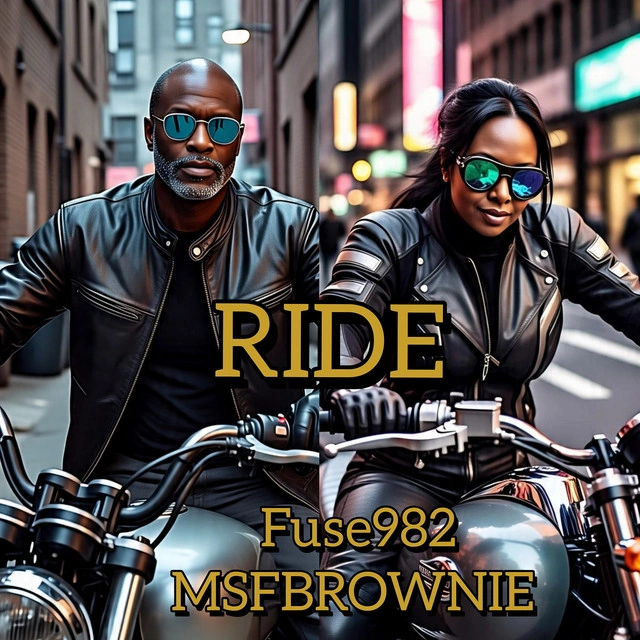
Fuse982 released Ride on 29 August 2026. It runs on contemporary hip-hop writing with R&B hooks underneath, and it is credited to two names rather than one. Msfbrownie shares the billing, as she has on other Fuse982 tracks before this. The Elizabeth City artist, who records and engineers as Fuse Usin, has been building that partnership for a while now.

https://open.spotify.com/track/4A2tGZX0zF7qOnKMSGLzKV

Fuse982 sits inside the playlist below, and each piece filed on the artist so far is listed at the artist profile. Ride was routed to this newsroom by PopHits.Co Music Charts, which verifies independent artists and places their releases across its network of music news desks. Spin it once, then stay with the page.

https://open.spotify.com/playlist/1G47KPCuTuHdtwbLemaAMB


Fuse982 Ride Puts Msfbrownie on the Credit Line for a Third Time

Before Ride, Fuse982 and Msfbrownie Kept Appearing Together

That is the detail worth starting with, because the credit line is where this release differs from most of what arrives in the same week. Plenty of independent rap singles carry a second name. Very few carry the same second name three times.

The catalogue makes the pattern obvious. All I Want is credited to both of them. So is Sleepless Nights. Ride is at least the third time the two have shared a release, which puts it in different territory from a one-off guest verse.

That distinction matters more than it sounds. A feature is a transaction. A repeated pairing is a working method, and it usually shows up in the writing: two voices that already know how the other one phrases things, so the handovers stop needing a signpost.

The rest of the catalogue fills in the range. Number One, Simmer Up, Its Gon Be OK, The Place I Built, Outside and Think are all his alone. Flash pairs him with Shannel Best. So the collaborative tracks are a deliberate lane inside a body of work that is mostly solo, not a crutch.

He is also an engineer, which is worth stating plainly because it explains the finish. Artists who mix their own material tend to make different choices about where a vocal sits, and the R&B side of this record depends on exactly that. His own description of himself is "recording artist and engineer", in that order, and both halves are doing work here.

It also explains the pace. An independent artist who has to book and pay for studio time releases when the budget allows. One who engineers releases when the song is done, and the catalogue reflects that.

What Ride Does With Hip-Hop and R&B

The construction is straightforward, and that is a compliment. Contemporary rap writing carries the verses. The hooks lean melodic and lift the track without turning it into a pop record.

Nothing about it is trying to be difficult. It is built to work on a playlist and on a phone speaker, and it does not pretend otherwise.

Listeners who keep Bryson Tiller, Rod Wave or 6LACK in rotation will recognise the register immediately. Bryson Tiller made a career out of this exact rap-to-sung handover, and it has been the default template for the decade since. Rod Wave is the closest reference for story-driven delivery, where the point of a verse is the account rather than the wordplay. 6LACK sits at the quieter end of the same idea, and Ride takes more from that restraint than from anything showy.

MusicDrops.News curator team: "The interesting thing here is the credit line. Most rap-and-R&B tracks reach for a name to broaden the audience, then never work with that person again. These two have done this repeatedly, and it shows in how little space the transitions need. That is a partnership, and partnerships tend to produce better records than features do."

Fuse982 Ride Puts Msfbrownie on the Credit Line for a Third Time

The Coverage and the Audience Around Fuse982

He has picked up write-ups outside his own channels, including a feature on Breaking News App. That is not major press, and it does not need to be. The audience for this record is being built platform by platform rather than bought in one go.

The numbers are modest and honest. Around 13.4k followers on Instagram, 3,792 on TikTok, 1.5K on Facebook. Nothing there suggests a campaign budget doing the work, and the Facebook page still lists Elizabeth City, North Carolina, which is where all of it started.

That is the shape of an independent US hip-hop career in 2026. No label push, a steady release rate, and a collaborator you keep coming back to. It is also why the credit line on Ride is worth more than a press one-liner: it is the part of the record that took years rather than a session.

Where to Hear Ride and Follow Fuse982

Ride is out now, and the player sits at the top of this page.

Find him on Spotify, Apple Music and SoundCloud.

Keep up with him across platforms: Instagram, TikTok, X, and Facebook.


D Signature Volume Buck Runs Seven Tracks From Heartbreak to the Dancefloor

D Signature Volume Buck Runs Seven Tracks From Heartbreak to the Dancefloor

Alternative R&B and Dancehall Meet on a Release the London Artist Built Alone

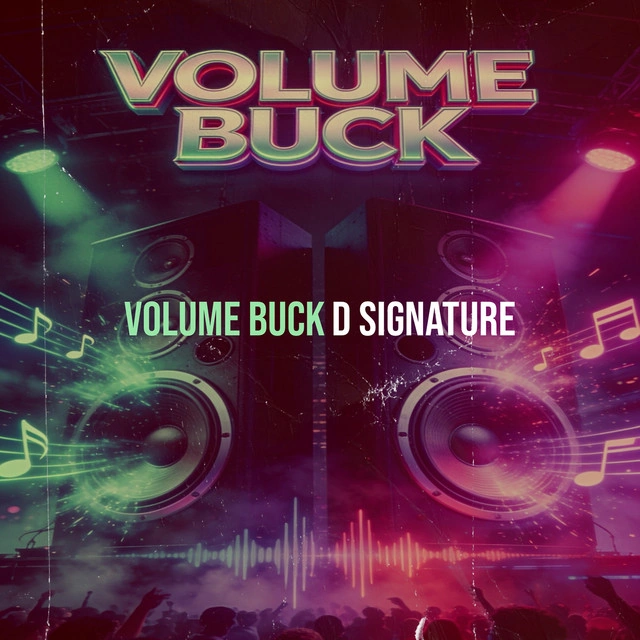
D Signature released Volume Buck on 14 August 2026. The London artist built every part of the seven-track EP alone, so it swings from anger and heartbreak to a full party on its own terms. Alternative R&B carries the writing, while dancehall carries the movement. For anyone following his reggae and dancehall run, this is finally where both halves of the catalogue share a tracklist.

https://open.spotify.com/album/5htZDwluCgShb7cywbW8MG

Seven tracks of Volume Buck are in the playlist below, and D Signature's coverage across these desks is collected on the artist profile. The record came through PopHits.Co Music Charts, which verifies independent artists and places their releases across its network of music news desks. Start it playing before the rest of this.

https://open.spotify.com/playlist/4vunFuN4nEVdMk1JZqUUlW


D Signature Volume Buck Runs Seven Tracks From Heartbreak to the Dancefloor

Before Volume Buck, D Signature Spent His Catalogue in Reggae and Dancehall

D Signature, who also records as Million Miles, did not arrive at this EP from nowhere. In fact, most of the work behind it sits in reggae and dancehall rather than R&B. Miles ran to 23 tracks across both. Landslide, meanwhile, set loyalty and betrayal against dancehall-tinged soul. Then the video for Jah Protection pulled an older cut back into circulation.

That back catalogue matters. Because of it, the rhythmic vocabulary on Volume Buck is already fluent: the patterns, the pocket, the way a vocal sits behind a riddim. None of that is new here. What changes instead is what those rhythms carry.

Coverage has also come from outside his own channels. Canada's Slash Music wrote about Jah Protection, and the same outlet later returned for the single Chances.

Volume Buck Swings Between Heartbreak and the Dancefloor Across Seven Tracks

The EP runs to seven tracks and uses all of them. First, Pass Through opens the record. Then Cya Fool Me and Lies work the betrayal side. Lady turns toward romance. Finally, the title track closes on party energy.

The running order is the argument. In short, the hurt never resolves before the celebration arrives. Instead, he hands it to a different rhythm.

Because no outside producer smoothed the corners, that handover sits inside one person's decisions. The R&B side carries the writing. The dancehall side, meanwhile, carries the movement. Neither decorates the other.

"Creating Volume Buck was a deeply personal process, allowing me to pour a wide array of feelings into every track," said Davion Gowie, the artist behind D Signature. "I wanted to craft an experience that truly reflects the highs and lows of life, from intense emotions to the pure joy of a party. It's an invitation for listeners to connect with those diverse feelings."

MusicDrops.News curator team: "The handover is the useful thing here. Records carrying this much hurt usually stay in one register. This one gives the weight to a dancehall pattern instead of resolving it. That is a harder sequencing call than it sounds, and it is why the closing tracks belong to the record rather than sitting on the end of it."

D Signature Volume Buck Runs Seven Tracks From Heartbreak to the Dancefloor

Who the EP Suits in UK Alternative R&B and Dancehall

The audience here is specific and reasonably large. It is the listener who keeps Popcaan and Jorja Smith in one rotation. Popcaan paired dancehall rhythms with sung, downcast toplines across Forever and FIXTAPE. Similarly, this record reaches for that pairing. It puts heartbreak over a riddim rather than over a ballad.

Jorja Smith, meanwhile, worked the UK R&B register on Be Right Back. At the same time, her collaborations either side of it pulled toward Caribbean rhythm. That split is close to the one D Signature manages here.

Koffee is a third reference point, less for tone than for method. Rapture and Gifted took reggae and dancehall structures and made them legible to newcomers. Even so, neither record thinned out what made those structures work. This EP tries something comparable from the R&B direction.

The release targets the UK first, where Alternative R&B and Dancehall already share playlists and club nights. So the blend itself is not the novelty. What stands out instead is an independent artist covering that ground with no label smoothing the seam.

Where to Hear Volume Buck and Follow D Signature

Volume Buck is out now. Besides the EP itself, it works as an entry point to a deeper catalogue: Miles and its 23 tracks sit right behind it.

Stream the EP on Spotify or Apple Music. Alternatively, play the full sequence on YouTube.

Finally, keep up with D Signature across platforms: Spotify, YouTube channel, Instagram, TikTok, X, and Facebook.


Kehlani Folded Held Number One for Seventeen Weeks

Kehlani Folded Held Number One for Seventeen Weeks

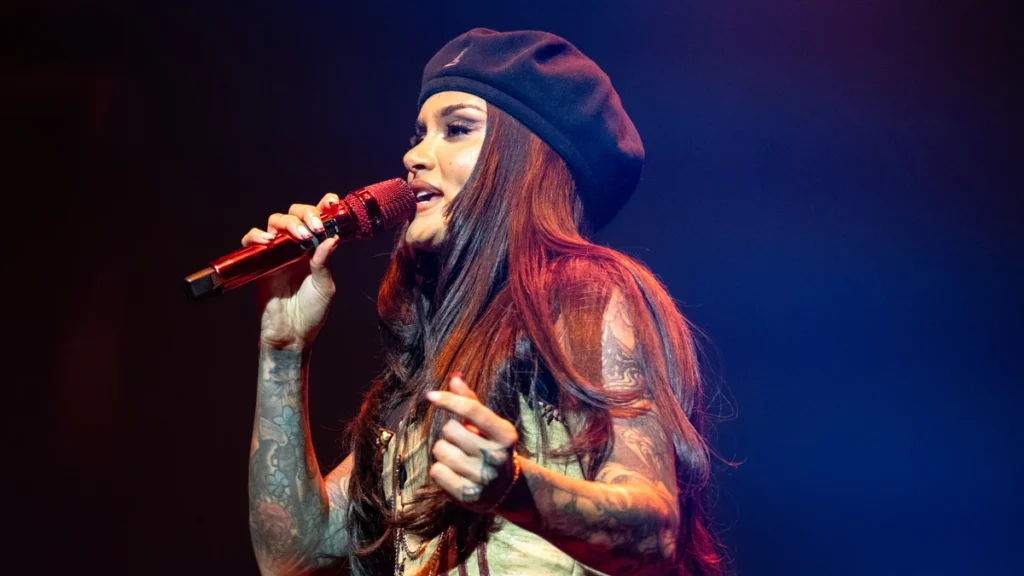
Kehlani performing at the Essence Festival of Culture.

Kehlani spent more than seventeen weeks at number one on the American mainstream R&B and hip-hop airplay chart with a single called "Folded", which is the longest run in that chart's history.

It also won two Grammys, and the album behind it debuted at number four.

Seventeen Weeks Is a Structural Record

Radio charts move slowly by design, because programmers add records gradually and drop them gradually, and a song's position reflects accumulated airplay rather than a single week's activity.

Holding number one for seventeen weeks therefore does not mean a song was enormously popular for four months. It means no other record in the format displaced it for four months.

That is a statement about the field as much as about the song. A chart record of this kind requires both an unusually durable single and an unusually thin run of competition.

Setting the all-time mark on a chart that has existed for decades is nevertheless a genuine achievement, and it is the sort of statistic that follows an artist permanently.

Two Grammys for One Song

The single won best R&B performance and best R&B song, which are distinct awards measuring different things.

Performance rewards the recording and the vocal. Song rewards the composition and goes to the writers, which may or may not include the performer.

Taking both means the record was judged strong as a piece of writing and as an execution, which is a harder combination than a single award.

Number Four With Sixty-Nine Thousand Units

The self-titled album entered the Billboard 200 at number four with 69,000 equivalent album units, and both halves of that sentence matter.

Sixty-nine thousand is a modest number by historical standards and a respectable one in the current market, where the top of the chart is frequently reached with figures that would have been unremarkable fifteen years ago.

It was the largest debut for an R&B album by a woman in 2026, which says as much about the genre's chart position as about the record.

Why R&B Charts Lower Than It Performs

R&B has a large and committed audience and consistently underperforms on the main albums chart relative to that audience.

The reason is structural. Album-equivalent units are driven heavily by playlist placement and by the streaming behaviour of younger listeners, and R&B skews toward radio and toward repeat listening of individual songs.

A genre whose fans play one track a hundred times generates fewer album units than one whose fans play twelve tracks eight times, even with identical total listening.

A Self-Titled Album at This Stage

Naming an album after yourself several records into a career is a specific signal, and it is almost never accidental.

Debut albums are often self-titled because there is nothing else to call them. A self-titled record from an established artist is a claim about definition: this is the one that represents what the artist is.

Following it with a chart-record single and two Grammys is about the strongest possible validation of that claim.

Thirty-Three Dates With Live Nation

The North American tour was announced in May and runs thirty-three dates from August to October, promoted by the largest live music company in the world.

A tour of that length at that scale is a substantial financial commitment on both sides, and it is only committed to when the promoter is confident about demand.

Announcing three months ahead of the opening night is standard, giving enough time for on-sales, routing adjustments and additional dates if the first ones move quickly.

Minneapolis to San Francisco

The routing opens at The Armory in Minneapolis on 6 August and closes at the Shoreline Amphitheatre in San Francisco on 3 October.

Closing in the Bay Area is not incidental. Kehlani is from Oakland, and finishing a national tour at home is both a practical convenience and a symbolic one.

Shoreline is also an amphitheatre rather than an arena, which suits an early-autumn date and allows a larger capacity than an indoor room would.

Four Support Acts

Four artists join as support across selected dates rather than one act carrying the whole run.

Rotating supports keeps costs down, since a support act travelling the full tour is a significant expense, and it gives regional artists exposure in their own markets.

It also varies the evening, which matters on a long run where press and audiences pay attention to the whole bill.

South Africa in December

The tour extends to South Africa in December, with dates in Pretoria and Cape Town.

South Africa has become an increasingly important stop for international R&B and hip-hop artists, driven by a large domestic audience and improved venue infrastructure.

Routing there in December also uses the southern hemisphere summer, which is the opposite of the European and North American touring calendar and effectively extends the year.

Oakland and What It Gave Her

Kehlani came out of Oakland, a city with a distinct musical history that runs through funk, hip-hop and a strain of R&B less polished than the Los Angeles or Atlanta versions.

She began in a group before going solo, which is a route that teaches performance and harmony in a way solo development does not.

That grounding is audible in the live show, which has consistently been described as a stronger proposition than the records alone would suggest.

Radio Still Matters in This Genre

A seventeen-week radio number one would be close to meaningless in most genres now, because radio no longer drives pop consumption.

R&B is the clearest exception. The format retains real programming authority, a devoted audience and a direct relationship to how records are discovered.

An artist who can hold that format has a base that streaming alone does not provide, and it is a large part of why a thirty-three date tour is viable.

What Follows a Record Like That

The difficulty with a defining single is that it becomes the standard everything afterwards is measured against.

An artist with a seventeen-week number one now has a permanent comparison point, and the next single will be assessed against a chart record rather than against the market.

The usual answer is to change the terrain rather than compete directly, which is what the touring cycle effectively does.

How an Airplay Chart Actually Works

Radio charts are frequently misread as popularity measures, and understanding the mechanism explains why long runs at number one happen in some formats and never in others.

Position is calculated from monitored spins across a panel of reporting stations, weighted by audience size. A record climbs as programmers add it to rotation and rises further as those stations move it from light to medium to heavy play. That process takes weeks by design.

Coming down is equally slow. Stations reduce rotation gradually rather than dropping a record, so a song at the top stays there until something else accumulates enough spins to overtake it. Displacement, not decline, is what ends a run.

The practical consequence is that a seventeen-week reign says two things simultaneously: programmers were unusually reluctant to reduce this record, and no competing single built momentum fast enough to push past it. Both are needed, and neither alone would produce the result.

Why Amphitheatres Suit a Tour Like This

Closing a North American run at an outdoor amphitheatre rather than an arena is a routing decision with real logic behind it.

Amphitheatres are seasonal. They operate from late spring to early autumn and sit empty the rest of the year, which means an early-October date is close to the last usable slot in the calendar and the venue has every incentive to make the booking work.

They also hold more people than most arenas at a lower production cost, because the roof, the seating and much of the infrastructure are permanent. A tour that has already built its show can move into that capacity without redesigning anything.

The trade is weather and atmosphere. An outdoor room is harder to control acoustically and colder in October, which is why these dates cluster at the end of a run rather than the beginning, when the show is at its tightest and the audience already knows what it came for.

What Is Actually Being Tested

Two things. Whether a chart record built on radio converts into long-term album sales, since the two audiences overlap less than they used to.

And whether thirty-three North American dates followed by international routing is sustainable for an artist whose reputation rests on an intense live performance.

Seventeen weeks, two Grammys, a number four debut, thirty-three dates, and a tour that ends where she started.

Amaarae Black Star Is Her Third Album for Interscope

Amaarae Black Star Is Her Third Album for Interscope

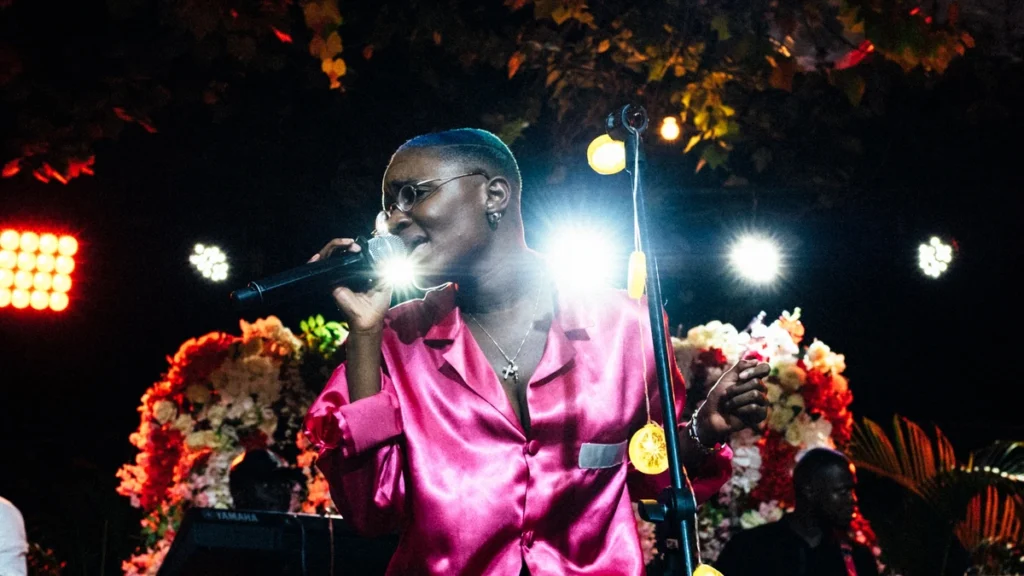
Amaarae performing live.

Amaarae released her third studio album in August 2025 through Golden Child Entertainment and Interscope Records, with three singles arriving across the seven weeks before it.

The title points directly at the emblem in the centre of the Ghanaian flag, which is about as unambiguous a statement of origin as a record can make.

What the Title Refers To

The black star at the centre of Ghana's flag is one of the most recognisable national symbols in Africa, and it carries a specific political history.

It was adopted at independence in 1957, when Ghana became the first sub-Saharan African country to leave colonial rule, and the symbol was taken from a shipping line founded decades earlier as an instrument of Black economic independence.

Naming an album after it is therefore not simply a reference to a country. It is a reference to a particular idea about self-determination.

The same emblem gives the national football team its name, which means the phrase carries both political weight and everyday familiarity at once.

Three Singles in Seven Weeks

The singles arrived on 20 June, 25 July and 8 August, the last of them on the album's release date.

That is a compressed campaign, and it is the opposite of the long slow rollout many artists now use.

Releasing a single on release day is essentially a track-highlight strategy: it directs listeners to a specific song within the album rather than preparing them for it.

The Alte Scene She Came From

Amaarae emerged through the alte scene, a loose Nigerian and Ghanaian movement of artists working outside the dominant Afrobeats template.

Alte is less a genre than a disposition: it takes in R&B, indie guitar music, electronic production and rap, and it defines itself largely by what it is not.

That background explains why her records resist the categorisation that international audiences tend to apply to West African music.

A Voice That Sits Very High

Her singing is light, breathy and pitched high, which is the most immediately identifiable thing about the records.

It is a difficult instrument commercially, because a soft high voice can be swallowed by dense production and struggles to project the kind of authority radio has historically rewarded.

Working with it rather than against it forces the arrangements to stay open, and that sparseness has become part of the sound rather than a compromise.

Two Passports, One Catalogue

She is Ghanaian-American, and both halves of that are audible in the work.

The rhythmic vocabulary and the linguistic range come from West Africa, while the production references and the song structures draw on American R&B and indie music.

Artists with that dual position frequently get read as translating one culture for another, which underrates what is actually happening: the music is not a bridge between two things but a third thing.

Golden Child and Interscope

The album came through her own imprint in partnership with a major, which is the standard structure for an artist at this level.

What the major supplies is international distribution and the ability to work a record simultaneously across dozens of territories, which is beyond any independent operation.

What the imprint preserves is creative control and a share of ownership, which is the part artists a generation ago rarely secured.

Where the Second Album Left Her

Her previous album was widely acclaimed and moved her from a scene-level reputation to an international one.

That created the standard follow-up problem: an audience arrived through a specific record and now has expectations, while the artist has moved on.

Making the third album an explicit statement about origin rather than a continuation is one way of answering that, because it changes the subject rather than competing with the previous record.

West African Music's International Decade

The last ten years have seen West African music reach global audiences at a scale with no precedent, driven primarily by Nigerian Afrobeats.

That success has had an ambiguous effect on artists working adjacent to it. International attention arrived, and with it a set of assumptions about what music from the region sounds like.

Artists who do not fit the template benefit from the attention and then have to spend energy correcting the categorisation, which is a familiar cost of any breakthrough.

Accra as a Production Centre

Ghana's music industry has historically been overshadowed internationally by Nigeria's, despite a comparably deep tradition.

Highlife, which developed in Ghana in the early twentieth century, is one of the foundational forms of modern West African popular music and fed directly into everything that followed.

An album named after the Ghanaian flag from an artist with an international platform does something the country's scene has struggled to do on its own, which is claim the attention.

August as a Release Date

Early August is a summer release window, aimed at the period when dance-adjacent music performs best.

It is also a comparatively quiet part of the calendar for major releases, since the largest campaigns cluster in spring and autumn.

For a record that needs coverage more than it needs to beat competitors to a chart position, that is a sensible place to land.

The Third Album as a Position

Three albums is the point at which an artist stops being described as promising.

The catalogue becomes long enough to have a shape, the audience is established rather than assembling, and the question shifts from potential to direction.

Making the third record the most explicitly located of the three is a deliberate answer to that question.

Genre Labels and Their Limits

Her music gets filed variously as R&B, alternative R&B, Afropop and alte, and none of those descriptions is wrong or sufficient.

Streaming platforms and awards bodies require a single category, which forces music that sits between forms into whichever box is closest.

The practical consequence is that artists like this are frequently competing in categories that describe only part of what they do.

What Alte Was Reacting Against

The scene she came from is easier to understand as an argument than as a sound, and the argument was about narrowness.

By the mid-2010s West African popular music had a dominant commercial template: a specific rhythmic feel, a specific vocal approach, and subject matter aimed squarely at radio and the club. It worked spectacularly, and its success made everything outside it harder to release.

Alte formed among artists who had grown up on the same American and British music as their counterparts in London or Atlanta, and who saw no reason to filter that out. Guitars, ambient production, rap cadences and R&B phrasing all belonged, and the refusal to pick one was the whole position.

What made it viable was the internet rather than any label. The scene built audiences through streaming and social platforms without needing the radio and distribution gatekeepers who would have rejected it, which is why it produced artists with international followings before it had any domestic infrastructure.

Singing Quietly on Purpose

The technical decision underneath her records is that the voice never pushes, and that constrains everything built around it.

Loud singing gives a producer enormous freedom. A powerful vocal cuts through dense arrangements, survives heavy compression and holds its position no matter what else is happening. Almost all commercial pop production assumes it.

A soft, high, breathy voice has none of those advantages. It sits in a narrow frequency band, disappears under a busy mix, and loses its character entirely if compressed hard enough to compete.

The only workable response is to build the track around the space the voice needs, which means fewer elements, more restraint in the low end, and arrangements that step back rather than swell. That is why records of this kind sound distinctive: the constraint has produced a method.

What Is Actually Being Tested

Two things. Whether a record built around a specific national symbol reaches listeners with no relationship to that country, or whether the framing narrows the audience.

And whether a voice this light can carry a third album without the production having to grow around it, which is the recurring technical question in her catalogue.

Three albums, three singles in seven weeks, one flag, and a voice that never once pushes.

Giveon Added Five Tracks and Called It Beloved Act Two

Giveon Added Five Tracks and Called It Beloved Act Two

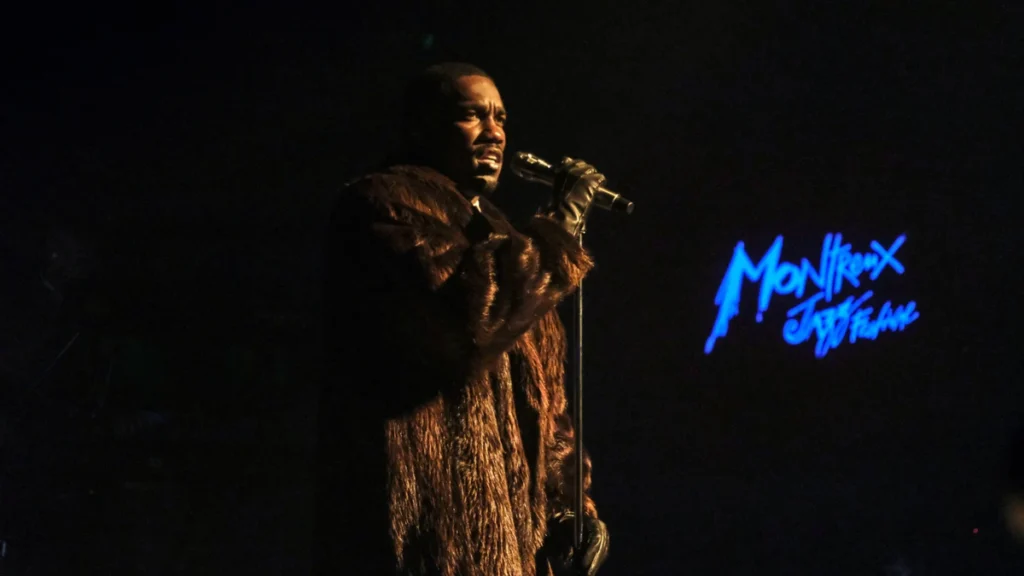
Giveon performing at the Montreux Jazz Festival.

Giveon released a deluxe edition of his second studio album in May, adding five previously unheard tracks to the fourteen already there.

The original arrived through Epic Records in July 2025, debuted at number eight and earned a Grammy nomination for best R&B album.

What a Deluxe Edition Is For

Reissuing an album with extra tracks ten months after release is now standard practice, and the reasons are almost entirely commercial.

A deluxe edition resets the album's streaming activity, generates a fresh round of coverage and adds another eligible chart week, none of which requires making a new record.

What it costs is the album's shape. A record that gains five tracks after the fact has two different running orders, and the second one was not designed.

Whether that matters depends on the album. A sequenced narrative record is damaged by it; a collection of songs largely is not.

Five Tracks Held Back

The five additions are described as previously unheard, which means they existed during the original sessions and were withheld rather than written afterwards.

That is the more common arrangement. Albums are recorded with surplus material, and the leftover tracks become the deluxe edition by default.

It also means the deluxe tracks were, by definition, the ones judged not good enough for the first cut, which is a fact the format tends to obscure.

Timed to the Tour

The reissue arrived while the touring cycle was still running, which is the sensible timing for it.

A deluxe edition released after a tour has ended has nothing to attach itself to. Released mid-cycle, it gives the show new material and the campaign a second peak.

It also extends the album's commercial life across two calendar years rather than one, which matters for award eligibility and year-end lists.

A Grammy Nomination for the Original

The fourteen-track version was nominated for best R&B album, which is the category the genre's artists actually compete in.

Nominations there carry real weight inside the field, because the category is small, the voting body knows the music, and the nominees are usually genuinely the year's most significant records.

For a second album, a nomination is confirmation that the first was not an accident.

Number Eight Is a Real Position

A number eight debut on the main American albums chart is a strong result for an R&B record without a crossover pop single attached.

The chart is dominated by rap, pop and country, and R&B albums frequently land outside the top twenty despite substantial audiences.

Breaking the top ten means the record concentrated its listening into the release week, which usually indicates a committed rather than a casual audience.

The Baritone Problem

Giveon sings in a baritone register, which is genuinely unusual in contemporary R&B and is the single most identifiable thing about him.

The genre has been dominated by tenor and falsetto singing for decades, partly because higher registers cut through dense production more easily.

A low voice requires the arrangements to leave space in the lower midrange, which constrains what the production can do and forces a sparser sound.

Why Low Voices Are Rare

The practical difficulty is that a baritone competes for frequency space with the bass and the kick drum, which are the two loudest elements in modern production.

Producers solve it either by thinning the low end, which weakens the rhythm section, or by carving space with equalisation, which can leave the voice sounding hollow.

Records built around a low voice therefore tend to sound distinctively uncluttered, and that restraint has become part of his identity rather than a limitation.

Arenas Across Three Continents

The tour sold out Madison Square Garden, the Greek Theatre in Los Angeles, the O2 in London, the Ziggo Dome in Amsterdam and the Palais Theatre in Melbourne.

That spread is significant because it demonstrates the audience is genuinely international rather than concentrated in one market.

Arena-level R&B touring is a narrow field. Most artists in the genre work theatres, and reaching this scale usually requires either a very long career or a crossover moment.

A European and Asian Leg

The 2026 dates extend the tour into Europe and Asia, with three support acts announced.

Touring Asia at arena scale is a meaningful development for an American R&B artist, since the region's live market has historically been dominated by pop and rock.

It also lengthens the album cycle considerably, which is the context the deluxe edition was released into.

Three Supports Rather Than One

The tour carries three supporting artists, which is more than a standard bill.

Multiple supports lengthen the evening and share the audience-building work, giving newer acts exposure to a large room they could not book alone.

For the headliner it also spreads risk, since a bill with several names is less dependent on any single artist's draw.

Where the Second Album Sat

Second albums in R&B carry a specific difficulty, because the genre rewards intimacy and intimacy is hardest to sustain at scale.

An artist whose first record felt private has to make a second one that works in an arena without abandoning what made the first work in headphones.

The chart position and the nomination together suggest the record managed both, which is not the usual outcome.

What the Deluxe Really Measures

The best signal a deluxe edition gives is not about the music but about the album's commercial health.

Labels do not reissue records that have stopped performing, because the marketing cost is not recoverable.

A deluxe arriving ten months later with a full campaign behind it indicates the original was still generating enough activity to justify the spend.

How the Chart Counts a Reissue

The mechanics behind deluxe editions are worth understanding, because they explain why the practice became universal so quickly.

Album-equivalent units aggregate streams of every track credited to an album, so adding five songs adds five new streaming sources to the same chart entry. The reissue does not compete with the original; it is the original, with more of it.

Existing tracks also get a second wave of activity, because listeners returning for the new songs pass through the old ones. A record ten months into its life can therefore post a week comparable to its release period without anything new being promoted.

The industry noticed this quickly, and the result is that almost every significant album now has a second version. What began as a gift to committed listeners has become a standard line in the release schedule, which is why the format has stopped signalling anything about the music.

What Arena Scale Costs an Intimate Genre

R&B has a structural problem with large venues that pop and rock do not share, and it is worth naming.

The genre's core appeal is proximity. The vocal is close, the arrangements leave space, and the listener is positioned as though the singer is a few feet away. Almost every production decision in modern R&B serves that illusion.

An arena destroys it by default. Twenty thousand people, a delay tower and a video screen produce the opposite of intimacy, and the standard solutions — bigger arrangements, more dancers, more production — push the music further from what made it work.

The artists who solve it usually do so by making the room quieter rather than louder: stripping back at key moments, using the video screen for closeness rather than spectacle, and trusting the audience to listen. A baritone with sparse arrangements is unusually well equipped for that, since the records were already built around space.

What Is Actually Being Tested

Two things. Whether five withheld tracks improve an album or dilute a sequence that was working, which is the permanent question about the format.

And whether an R&B artist can sustain arena-scale touring across three continents, which is a level almost nobody in the genre reaches without a pop crossover.

Fourteen tracks, then nineteen, a top-ten debut, a Grammy nomination, and a voice that sits lower than the genre normally allows.

Tyla Announced Her Second Album on Stage at the Grammys

Tyla Announced Her Second Album on Stage at the Grammys

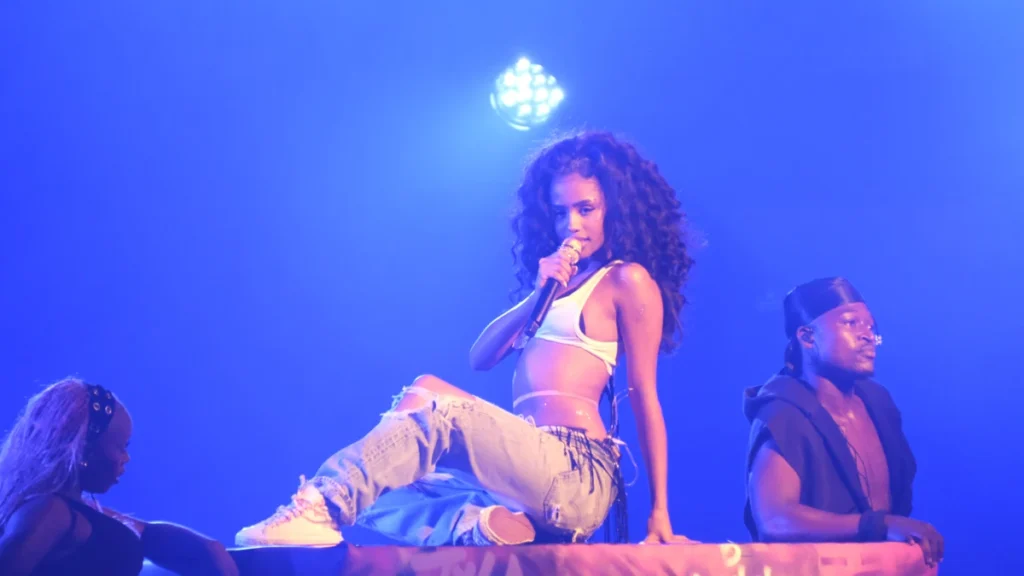
Tyla performing at the Montreux Jazz Festival.

Tyla announced her second studio album on stage during the Grammy ceremony in February and released it in July.

It runs fourteen songs across forty-four minutes, and amapiano percussion sits under almost every track on it.

Announcing From the Stage

Album announcements are normally made through a label's press channels on a date chosen for maximum coverage.

Making one during an awards ceremony puts it in front of a live television audience with no intermediary, and it takes the news out of the industry's hands.

It also fixes the announcement to a moment people remember, which a press release cannot do.

The trade is that it commits the artist publicly to a record that then has to arrive, and this one did, five months later.

Los Angeles and Barcelona

The album was recorded primarily across two cities during 2025, and neither is where she is from.

Los Angeles is the obvious destination for an artist signed to a major American label, with the largest concentration of writers and producers anywhere.

Barcelona is a less predictable choice, and studios there have become a favoured location for artists wanting distance from the Los Angeles session economy while keeping professional facilities.

Amapiano as the Foundation

The defining feature of the record is that amapiano percussion runs underneath nearly all of it rather than appearing on selected tracks.

Amapiano is a South African dance form built on log-drum bass and a specific shuffling rhythmic feel, and it has spread internationally over the last several years.

Most artists outside South Africa use it as a texture on one or two songs. Building a full pop album on it is a structural commitment rather than a nod.

Where the Debut Left Off

Her self-titled debut arrived in 2024 and combined amapiano with R&B, and it produced a single that travelled globally.

That put her in a familiar position for an artist whose first record breaks internationally: the follow-up has to either repeat the formula or move.

Reports describe the new album as more diverse and more considered, which suggests movement rather than repetition.

An Extended Play as a Bridge

A 2025 extended play sat between the two albums, and she described it explicitly as a bridge to the new project.

Releasing something deliberately transitional is an honest thing to do and unusually rare.

It also solves a scheduling problem. An album cycle running eighteen months leaves a long silence, and a short release keeps the audience engaged without spending the album.

Two Years of Touring in Between

She toured twice between the records, first under the debut album's name and then behind the extended play.

Touring at that rate immediately after a breakthrough is standard and physically demanding, and it is how an international audience actually gets built.

It also means the second album was written by someone who had spent two years playing the first one to rooms across several continents, which changes what a writer knows.

Two Singles, Nine Months Apart

The lead single arrived in October 2025, three months before the album was announced, and a second single followed in April with a Swedish pop singer featured.

A nine-month single campaign is long by current standards and indicates a release that was planned well ahead rather than assembled quickly.

Leading that early also means the first single had to work on its own for months, which is a different job from a track released two weeks before an album.

Fourteen Songs in Forty-Four Minutes

The running time averages just over three minutes per track, which is disciplined for a pop record in the streaming era.

Dance-derived music generally benefits from that length. A track built on a rhythmic loop has a limited window before repetition stops being hypnotic and starts being tedious.

It also means the album can be heard in one sitting, which a sixty-minute pop record realistically cannot.

South African Music's International Position

The last decade has seen South African music reach international audiences at a scale that had no precedent, driven largely by amapiano and its associated dance culture.

That movement spread initially through short-form video and club play rather than through radio or label investment, which is why it arrived without the usual gatekeeping.

An artist from that scene making a major-label pop album is the point at which a movement becomes an industry, with everything gained and lost in that transition.

The Second-Album Problem

A debut that breaks internationally creates the hardest possible conditions for a follow-up.

The audience arrived through one specific song and largely expects more of it, while the artist has spent two years becoming a different musician.

Spending longer on the second record, which is what she has said she did, is the only real defence against that pressure.

Working With a Swedish Pop Singer

The second single featured Zara Larsson, which is a European pop pairing rather than an American R&B one.

Feature choices are strategic as much as musical, and a Scandinavian pop collaboration points at European radio rather than at the American market.

For an artist whose first hit travelled globally, building deliberately across territories is more useful than concentrating on one.

What FAX and Epic Provide

The album came through FAX and Epic Records, an imprint-plus-major structure of the kind that is now standard.

The major supplies international distribution, radio relationships and marketing scale across dozens of territories.

For music originating in a regional scene, that infrastructure is the difference between an international hit and an international career.

Log Drums and Pop Structure

The technical challenge in this kind of record is that amapiano and pop songwriting want different things from a track.

Amapiano is built on extended grooves that develop slowly, while pop structure requires a chorus arriving within the first minute and returning on schedule.

Reconciling them means compressing the groove without flattening it, which is a production problem rather than a writing one.

Recording Across Two Continents

Splitting sessions between Los Angeles and Barcelona produces a practical benefit beyond geography.

Different studios attract different players and different working hours, and an album made in two places usually carries two distinct sets of instincts.

The risk is incoherence, which is why records made across many locations often need a single producer holding the sound together.

How Amapiano Actually Travelled

The route this music took out of South Africa is worth setting out, because it did not follow the usual path for a regional genre.

There was no label campaign and no international radio push. The form spread through DJ sets, WhatsApp file sharing, YouTube mixes and then short-form video, where a dance attached to a track could carry it to millions of people who had never heard of the genre.

That produced a distinctive result. Amapiano arrived internationally as a rhythm and a dance rather than as a set of named artists, which is why many listeners recognised the sound years before they could name anybody making it.

An artist reaching the top of international pop from inside that scene therefore does something the movement itself could not: attaches a face and a career to a sound that had been travelling anonymously.

What Long Recording Time Buys

Spending longer on a record is frequently cited by artists and rarely examined, but the difference it makes is concrete.

A quick album is built from whatever is working in the sessions available. A long one can be built from selection: writing forty songs, keeping fourteen, and discarding material that would have made the record simply because it was there.

Time also allows revision. A song can be rewritten after being lived with for months, which is impossible on a schedule where the deadline arrives before the perspective does.

The cost is momentum. An artist who breaks through and then disappears for two years is gambling that the audience is attached to them rather than to a moment, and the touring in between is what makes that bet survivable.

What Is Actually Being Tested

Two things. Whether a rhythmic form specific to one country can carry a full international pop album without being diluted into a texture.

And whether an artist who broke through on one enormous single can convert that into a career, which is the question every second album asks.

Fourteen songs, two cities, an announcement made on live television, and a South African rhythm running underneath all of it.