Year: 2026

Kehlani Folded Held Number One for Seventeen Weeks

Kehlani Folded Held Number One for Seventeen Weeks

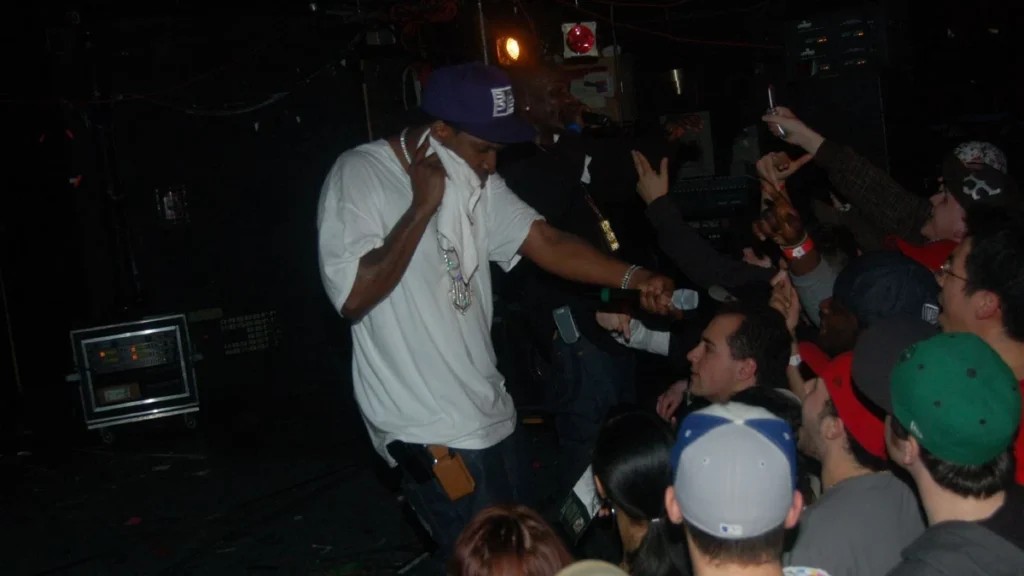
Kehlani performing at the Essence Festival of Culture.

Kehlani spent more than seventeen weeks at number one on the American mainstream R&B and hip-hop airplay chart with a single called "Folded", which is the longest run in that chart's history.

It also won two Grammys, and the album behind it debuted at number four.

Seventeen Weeks Is a Structural Record

Radio charts move slowly by design, because programmers add records gradually and drop them gradually, and a song's position reflects accumulated airplay rather than a single week's activity.

Holding number one for seventeen weeks therefore does not mean a song was enormously popular for four months. It means no other record in the format displaced it for four months.

That is a statement about the field as much as about the song. A chart record of this kind requires both an unusually durable single and an unusually thin run of competition.

Setting the all-time mark on a chart that has existed for decades is nevertheless a genuine achievement, and it is the sort of statistic that follows an artist permanently.

Two Grammys for One Song

The single won best R&B performance and best R&B song, which are distinct awards measuring different things.

Performance rewards the recording and the vocal. Song rewards the composition and goes to the writers, which may or may not include the performer.

Taking both means the record was judged strong as a piece of writing and as an execution, which is a harder combination than a single award.

Number Four With Sixty-Nine Thousand Units

The self-titled album entered the Billboard 200 at number four with 69,000 equivalent album units, and both halves of that sentence matter.

Sixty-nine thousand is a modest number by historical standards and a respectable one in the current market, where the top of the chart is frequently reached with figures that would have been unremarkable fifteen years ago.

It was the largest debut for an R&B album by a woman in 2026, which says as much about the genre's chart position as about the record.

Why R&B Charts Lower Than It Performs

R&B has a large and committed audience and consistently underperforms on the main albums chart relative to that audience.

The reason is structural. Album-equivalent units are driven heavily by playlist placement and by the streaming behaviour of younger listeners, and R&B skews toward radio and toward repeat listening of individual songs.

A genre whose fans play one track a hundred times generates fewer album units than one whose fans play twelve tracks eight times, even with identical total listening.

A Self-Titled Album at This Stage

Naming an album after yourself several records into a career is a specific signal, and it is almost never accidental.

Debut albums are often self-titled because there is nothing else to call them. A self-titled record from an established artist is a claim about definition: this is the one that represents what the artist is.

Following it with a chart-record single and two Grammys is about the strongest possible validation of that claim.

Thirty-Three Dates With Live Nation

The North American tour was announced in May and runs thirty-three dates from August to October, promoted by the largest live music company in the world.

A tour of that length at that scale is a substantial financial commitment on both sides, and it is only committed to when the promoter is confident about demand.

Announcing three months ahead of the opening night is standard, giving enough time for on-sales, routing adjustments and additional dates if the first ones move quickly.

Minneapolis to San Francisco

The routing opens at The Armory in Minneapolis on 6 August and closes at the Shoreline Amphitheatre in San Francisco on 3 October.

Closing in the Bay Area is not incidental. Kehlani is from Oakland, and finishing a national tour at home is both a practical convenience and a symbolic one.

Shoreline is also an amphitheatre rather than an arena, which suits an early-autumn date and allows a larger capacity than an indoor room would.

Four Support Acts

Four artists join as support across selected dates rather than one act carrying the whole run.

Rotating supports keeps costs down, since a support act travelling the full tour is a significant expense, and it gives regional artists exposure in their own markets.

It also varies the evening, which matters on a long run where press and audiences pay attention to the whole bill.

South Africa in December

The tour extends to South Africa in December, with dates in Pretoria and Cape Town.

South Africa has become an increasingly important stop for international R&B and hip-hop artists, driven by a large domestic audience and improved venue infrastructure.

Routing there in December also uses the southern hemisphere summer, which is the opposite of the European and North American touring calendar and effectively extends the year.

Oakland and What It Gave Her

Kehlani came out of Oakland, a city with a distinct musical history that runs through funk, hip-hop and a strain of R&B less polished than the Los Angeles or Atlanta versions.

She began in a group before going solo, which is a route that teaches performance and harmony in a way solo development does not.

That grounding is audible in the live show, which has consistently been described as a stronger proposition than the records alone would suggest.

Radio Still Matters in This Genre

A seventeen-week radio number one would be close to meaningless in most genres now, because radio no longer drives pop consumption.

R&B is the clearest exception. The format retains real programming authority, a devoted audience and a direct relationship to how records are discovered.

An artist who can hold that format has a base that streaming alone does not provide, and it is a large part of why a thirty-three date tour is viable.

What Follows a Record Like That

The difficulty with a defining single is that it becomes the standard everything afterwards is measured against.

An artist with a seventeen-week number one now has a permanent comparison point, and the next single will be assessed against a chart record rather than against the market.

The usual answer is to change the terrain rather than compete directly, which is what the touring cycle effectively does.

How an Airplay Chart Actually Works

Radio charts are frequently misread as popularity measures, and understanding the mechanism explains why long runs at number one happen in some formats and never in others.

Position is calculated from monitored spins across a panel of reporting stations, weighted by audience size. A record climbs as programmers add it to rotation and rises further as those stations move it from light to medium to heavy play. That process takes weeks by design.

Coming down is equally slow. Stations reduce rotation gradually rather than dropping a record, so a song at the top stays there until something else accumulates enough spins to overtake it. Displacement, not decline, is what ends a run.

The practical consequence is that a seventeen-week reign says two things simultaneously: programmers were unusually reluctant to reduce this record, and no competing single built momentum fast enough to push past it. Both are needed, and neither alone would produce the result.

Why Amphitheatres Suit a Tour Like This

Closing a North American run at an outdoor amphitheatre rather than an arena is a routing decision with real logic behind it.

Amphitheatres are seasonal. They operate from late spring to early autumn and sit empty the rest of the year, which means an early-October date is close to the last usable slot in the calendar and the venue has every incentive to make the booking work.

They also hold more people than most arenas at a lower production cost, because the roof, the seating and much of the infrastructure are permanent. A tour that has already built its show can move into that capacity without redesigning anything.

The trade is weather and atmosphere. An outdoor room is harder to control acoustically and colder in October, which is why these dates cluster at the end of a run rather than the beginning, when the show is at its tightest and the audience already knows what it came for.

What Is Actually Being Tested

Two things. Whether a chart record built on radio converts into long-term album sales, since the two audiences overlap less than they used to.

And whether thirty-three North American dates followed by international routing is sustainable for an artist whose reputation rests on an intense live performance.

Seventeen weeks, two Grammys, a number four debut, thirty-three dates, and a tour that ends where she started.

Amaarae Black Star Is Her Third Album for Interscope

Amaarae Black Star Is Her Third Album for Interscope

Amaarae performing live.

Amaarae released her third studio album in August 2025 through Golden Child Entertainment and Interscope Records, with three singles arriving across the seven weeks before it.

The title points directly at the emblem in the centre of the Ghanaian flag, which is about as unambiguous a statement of origin as a record can make.

What the Title Refers To

The black star at the centre of Ghana's flag is one of the most recognisable national symbols in Africa, and it carries a specific political history.

It was adopted at independence in 1957, when Ghana became the first sub-Saharan African country to leave colonial rule, and the symbol was taken from a shipping line founded decades earlier as an instrument of Black economic independence.

Naming an album after it is therefore not simply a reference to a country. It is a reference to a particular idea about self-determination.

The same emblem gives the national football team its name, which means the phrase carries both political weight and everyday familiarity at once.

Three Singles in Seven Weeks

The singles arrived on 20 June, 25 July and 8 August, the last of them on the album's release date.

That is a compressed campaign, and it is the opposite of the long slow rollout many artists now use.

Releasing a single on release day is essentially a track-highlight strategy: it directs listeners to a specific song within the album rather than preparing them for it.

The Alte Scene She Came From

Amaarae emerged through the alte scene, a loose Nigerian and Ghanaian movement of artists working outside the dominant Afrobeats template.

Alte is less a genre than a disposition: it takes in R&B, indie guitar music, electronic production and rap, and it defines itself largely by what it is not.

That background explains why her records resist the categorisation that international audiences tend to apply to West African music.

A Voice That Sits Very High

Her singing is light, breathy and pitched high, which is the most immediately identifiable thing about the records.

It is a difficult instrument commercially, because a soft high voice can be swallowed by dense production and struggles to project the kind of authority radio has historically rewarded.

Working with it rather than against it forces the arrangements to stay open, and that sparseness has become part of the sound rather than a compromise.

Two Passports, One Catalogue

She is Ghanaian-American, and both halves of that are audible in the work.

The rhythmic vocabulary and the linguistic range come from West Africa, while the production references and the song structures draw on American R&B and indie music.

Artists with that dual position frequently get read as translating one culture for another, which underrates what is actually happening: the music is not a bridge between two things but a third thing.

Golden Child and Interscope

The album came through her own imprint in partnership with a major, which is the standard structure for an artist at this level.

What the major supplies is international distribution and the ability to work a record simultaneously across dozens of territories, which is beyond any independent operation.

What the imprint preserves is creative control and a share of ownership, which is the part artists a generation ago rarely secured.

Where the Second Album Left Her

Her previous album was widely acclaimed and moved her from a scene-level reputation to an international one.

That created the standard follow-up problem: an audience arrived through a specific record and now has expectations, while the artist has moved on.

Making the third album an explicit statement about origin rather than a continuation is one way of answering that, because it changes the subject rather than competing with the previous record.

West African Music's International Decade

The last ten years have seen West African music reach global audiences at a scale with no precedent, driven primarily by Nigerian Afrobeats.

That success has had an ambiguous effect on artists working adjacent to it. International attention arrived, and with it a set of assumptions about what music from the region sounds like.

Artists who do not fit the template benefit from the attention and then have to spend energy correcting the categorisation, which is a familiar cost of any breakthrough.

Accra as a Production Centre

Ghana's music industry has historically been overshadowed internationally by Nigeria's, despite a comparably deep tradition.

Highlife, which developed in Ghana in the early twentieth century, is one of the foundational forms of modern West African popular music and fed directly into everything that followed.

An album named after the Ghanaian flag from an artist with an international platform does something the country's scene has struggled to do on its own, which is claim the attention.

August as a Release Date

Early August is a summer release window, aimed at the period when dance-adjacent music performs best.

It is also a comparatively quiet part of the calendar for major releases, since the largest campaigns cluster in spring and autumn.

For a record that needs coverage more than it needs to beat competitors to a chart position, that is a sensible place to land.

The Third Album as a Position

Three albums is the point at which an artist stops being described as promising.

The catalogue becomes long enough to have a shape, the audience is established rather than assembling, and the question shifts from potential to direction.

Making the third record the most explicitly located of the three is a deliberate answer to that question.

Genre Labels and Their Limits

Her music gets filed variously as R&B, alternative R&B, Afropop and alte, and none of those descriptions is wrong or sufficient.

Streaming platforms and awards bodies require a single category, which forces music that sits between forms into whichever box is closest.

The practical consequence is that artists like this are frequently competing in categories that describe only part of what they do.

What Alte Was Reacting Against

The scene she came from is easier to understand as an argument than as a sound, and the argument was about narrowness.

By the mid-2010s West African popular music had a dominant commercial template: a specific rhythmic feel, a specific vocal approach, and subject matter aimed squarely at radio and the club. It worked spectacularly, and its success made everything outside it harder to release.

Alte formed among artists who had grown up on the same American and British music as their counterparts in London or Atlanta, and who saw no reason to filter that out. Guitars, ambient production, rap cadences and R&B phrasing all belonged, and the refusal to pick one was the whole position.

What made it viable was the internet rather than any label. The scene built audiences through streaming and social platforms without needing the radio and distribution gatekeepers who would have rejected it, which is why it produced artists with international followings before it had any domestic infrastructure.

Singing Quietly on Purpose

The technical decision underneath her records is that the voice never pushes, and that constrains everything built around it.

Loud singing gives a producer enormous freedom. A powerful vocal cuts through dense arrangements, survives heavy compression and holds its position no matter what else is happening. Almost all commercial pop production assumes it.

A soft, high, breathy voice has none of those advantages. It sits in a narrow frequency band, disappears under a busy mix, and loses its character entirely if compressed hard enough to compete.

The only workable response is to build the track around the space the voice needs, which means fewer elements, more restraint in the low end, and arrangements that step back rather than swell. That is why records of this kind sound distinctive: the constraint has produced a method.

What Is Actually Being Tested

Two things. Whether a record built around a specific national symbol reaches listeners with no relationship to that country, or whether the framing narrows the audience.

And whether a voice this light can carry a third album without the production having to grow around it, which is the recurring technical question in her catalogue.

Three albums, three singles in seven weeks, one flag, and a voice that never once pushes.

Giveon Added Five Tracks and Called It Beloved Act Two

Giveon Added Five Tracks and Called It Beloved Act Two

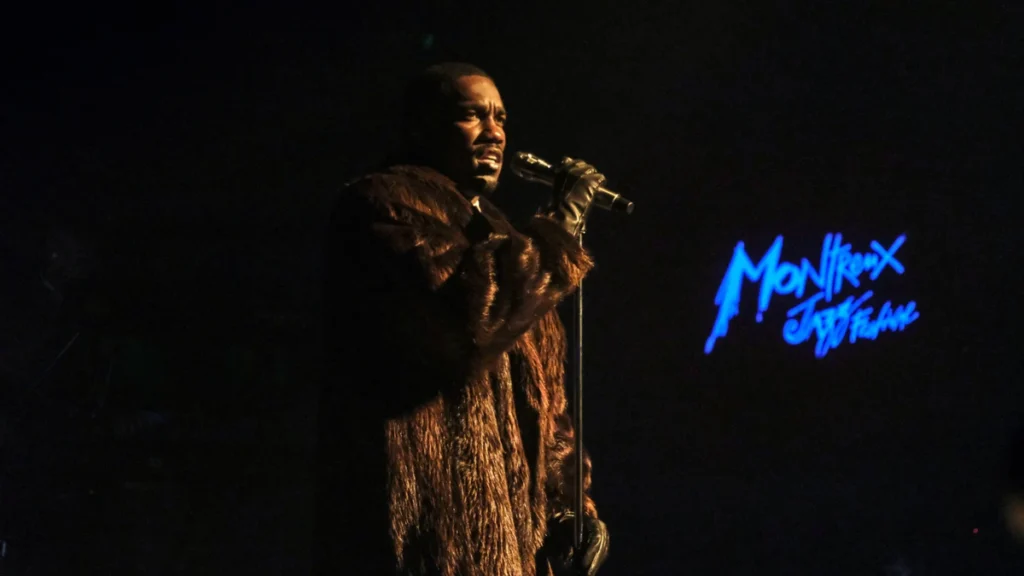
Giveon performing at the Montreux Jazz Festival.

Giveon released a deluxe edition of his second studio album in May, adding five previously unheard tracks to the fourteen already there.

The original arrived through Epic Records in July 2025, debuted at number eight and earned a Grammy nomination for best R&B album.

What a Deluxe Edition Is For

Reissuing an album with extra tracks ten months after release is now standard practice, and the reasons are almost entirely commercial.

A deluxe edition resets the album's streaming activity, generates a fresh round of coverage and adds another eligible chart week, none of which requires making a new record.

What it costs is the album's shape. A record that gains five tracks after the fact has two different running orders, and the second one was not designed.

Whether that matters depends on the album. A sequenced narrative record is damaged by it; a collection of songs largely is not.

Five Tracks Held Back

The five additions are described as previously unheard, which means they existed during the original sessions and were withheld rather than written afterwards.

That is the more common arrangement. Albums are recorded with surplus material, and the leftover tracks become the deluxe edition by default.

It also means the deluxe tracks were, by definition, the ones judged not good enough for the first cut, which is a fact the format tends to obscure.

Timed to the Tour

The reissue arrived while the touring cycle was still running, which is the sensible timing for it.

A deluxe edition released after a tour has ended has nothing to attach itself to. Released mid-cycle, it gives the show new material and the campaign a second peak.

It also extends the album's commercial life across two calendar years rather than one, which matters for award eligibility and year-end lists.

A Grammy Nomination for the Original

The fourteen-track version was nominated for best R&B album, which is the category the genre's artists actually compete in.

Nominations there carry real weight inside the field, because the category is small, the voting body knows the music, and the nominees are usually genuinely the year's most significant records.

For a second album, a nomination is confirmation that the first was not an accident.

Number Eight Is a Real Position

A number eight debut on the main American albums chart is a strong result for an R&B record without a crossover pop single attached.

The chart is dominated by rap, pop and country, and R&B albums frequently land outside the top twenty despite substantial audiences.

Breaking the top ten means the record concentrated its listening into the release week, which usually indicates a committed rather than a casual audience.

The Baritone Problem

Giveon sings in a baritone register, which is genuinely unusual in contemporary R&B and is the single most identifiable thing about him.

The genre has been dominated by tenor and falsetto singing for decades, partly because higher registers cut through dense production more easily.

A low voice requires the arrangements to leave space in the lower midrange, which constrains what the production can do and forces a sparser sound.

Why Low Voices Are Rare

The practical difficulty is that a baritone competes for frequency space with the bass and the kick drum, which are the two loudest elements in modern production.

Producers solve it either by thinning the low end, which weakens the rhythm section, or by carving space with equalisation, which can leave the voice sounding hollow.

Records built around a low voice therefore tend to sound distinctively uncluttered, and that restraint has become part of his identity rather than a limitation.

Arenas Across Three Continents

The tour sold out Madison Square Garden, the Greek Theatre in Los Angeles, the O2 in London, the Ziggo Dome in Amsterdam and the Palais Theatre in Melbourne.

That spread is significant because it demonstrates the audience is genuinely international rather than concentrated in one market.

Arena-level R&B touring is a narrow field. Most artists in the genre work theatres, and reaching this scale usually requires either a very long career or a crossover moment.

A European and Asian Leg

The 2026 dates extend the tour into Europe and Asia, with three support acts announced.

Touring Asia at arena scale is a meaningful development for an American R&B artist, since the region's live market has historically been dominated by pop and rock.

It also lengthens the album cycle considerably, which is the context the deluxe edition was released into.

Three Supports Rather Than One

The tour carries three supporting artists, which is more than a standard bill.

Multiple supports lengthen the evening and share the audience-building work, giving newer acts exposure to a large room they could not book alone.

For the headliner it also spreads risk, since a bill with several names is less dependent on any single artist's draw.

Where the Second Album Sat

Second albums in R&B carry a specific difficulty, because the genre rewards intimacy and intimacy is hardest to sustain at scale.

An artist whose first record felt private has to make a second one that works in an arena without abandoning what made the first work in headphones.

The chart position and the nomination together suggest the record managed both, which is not the usual outcome.

What the Deluxe Really Measures

The best signal a deluxe edition gives is not about the music but about the album's commercial health.

Labels do not reissue records that have stopped performing, because the marketing cost is not recoverable.

A deluxe arriving ten months later with a full campaign behind it indicates the original was still generating enough activity to justify the spend.

How the Chart Counts a Reissue

The mechanics behind deluxe editions are worth understanding, because they explain why the practice became universal so quickly.

Album-equivalent units aggregate streams of every track credited to an album, so adding five songs adds five new streaming sources to the same chart entry. The reissue does not compete with the original; it is the original, with more of it.

Existing tracks also get a second wave of activity, because listeners returning for the new songs pass through the old ones. A record ten months into its life can therefore post a week comparable to its release period without anything new being promoted.

The industry noticed this quickly, and the result is that almost every significant album now has a second version. What began as a gift to committed listeners has become a standard line in the release schedule, which is why the format has stopped signalling anything about the music.

What Arena Scale Costs an Intimate Genre

R&B has a structural problem with large venues that pop and rock do not share, and it is worth naming.

The genre's core appeal is proximity. The vocal is close, the arrangements leave space, and the listener is positioned as though the singer is a few feet away. Almost every production decision in modern R&B serves that illusion.

An arena destroys it by default. Twenty thousand people, a delay tower and a video screen produce the opposite of intimacy, and the standard solutions — bigger arrangements, more dancers, more production — push the music further from what made it work.

The artists who solve it usually do so by making the room quieter rather than louder: stripping back at key moments, using the video screen for closeness rather than spectacle, and trusting the audience to listen. A baritone with sparse arrangements is unusually well equipped for that, since the records were already built around space.

What Is Actually Being Tested

Two things. Whether five withheld tracks improve an album or dilute a sequence that was working, which is the permanent question about the format.

And whether an R&B artist can sustain arena-scale touring across three continents, which is a level almost nobody in the genre reaches without a pop crossover.

Fourteen tracks, then nineteen, a top-ten debut, a Grammy nomination, and a voice that sits lower than the genre normally allows.

Tyla Announced Her Second Album on Stage at the Grammys

Tyla Announced Her Second Album on Stage at the Grammys

Tyla performing at the Montreux Jazz Festival.

Tyla announced her second studio album on stage during the Grammy ceremony in February and released it in July.

It runs fourteen songs across forty-four minutes, and amapiano percussion sits under almost every track on it.

Announcing From the Stage

Album announcements are normally made through a label's press channels on a date chosen for maximum coverage.

Making one during an awards ceremony puts it in front of a live television audience with no intermediary, and it takes the news out of the industry's hands.

It also fixes the announcement to a moment people remember, which a press release cannot do.

The trade is that it commits the artist publicly to a record that then has to arrive, and this one did, five months later.

Los Angeles and Barcelona

The album was recorded primarily across two cities during 2025, and neither is where she is from.

Los Angeles is the obvious destination for an artist signed to a major American label, with the largest concentration of writers and producers anywhere.

Barcelona is a less predictable choice, and studios there have become a favoured location for artists wanting distance from the Los Angeles session economy while keeping professional facilities.

Amapiano as the Foundation

The defining feature of the record is that amapiano percussion runs underneath nearly all of it rather than appearing on selected tracks.

Amapiano is a South African dance form built on log-drum bass and a specific shuffling rhythmic feel, and it has spread internationally over the last several years.

Most artists outside South Africa use it as a texture on one or two songs. Building a full pop album on it is a structural commitment rather than a nod.

Where the Debut Left Off

Her self-titled debut arrived in 2024 and combined amapiano with R&B, and it produced a single that travelled globally.

That put her in a familiar position for an artist whose first record breaks internationally: the follow-up has to either repeat the formula or move.

Reports describe the new album as more diverse and more considered, which suggests movement rather than repetition.

An Extended Play as a Bridge

A 2025 extended play sat between the two albums, and she described it explicitly as a bridge to the new project.

Releasing something deliberately transitional is an honest thing to do and unusually rare.

It also solves a scheduling problem. An album cycle running eighteen months leaves a long silence, and a short release keeps the audience engaged without spending the album.

Two Years of Touring in Between

She toured twice between the records, first under the debut album's name and then behind the extended play.

Touring at that rate immediately after a breakthrough is standard and physically demanding, and it is how an international audience actually gets built.

It also means the second album was written by someone who had spent two years playing the first one to rooms across several continents, which changes what a writer knows.

Two Singles, Nine Months Apart

The lead single arrived in October 2025, three months before the album was announced, and a second single followed in April with a Swedish pop singer featured.

A nine-month single campaign is long by current standards and indicates a release that was planned well ahead rather than assembled quickly.

Leading that early also means the first single had to work on its own for months, which is a different job from a track released two weeks before an album.

Fourteen Songs in Forty-Four Minutes

The running time averages just over three minutes per track, which is disciplined for a pop record in the streaming era.

Dance-derived music generally benefits from that length. A track built on a rhythmic loop has a limited window before repetition stops being hypnotic and starts being tedious.

It also means the album can be heard in one sitting, which a sixty-minute pop record realistically cannot.

South African Music's International Position

The last decade has seen South African music reach international audiences at a scale that had no precedent, driven largely by amapiano and its associated dance culture.

That movement spread initially through short-form video and club play rather than through radio or label investment, which is why it arrived without the usual gatekeeping.

An artist from that scene making a major-label pop album is the point at which a movement becomes an industry, with everything gained and lost in that transition.

The Second-Album Problem

A debut that breaks internationally creates the hardest possible conditions for a follow-up.

The audience arrived through one specific song and largely expects more of it, while the artist has spent two years becoming a different musician.

Spending longer on the second record, which is what she has said she did, is the only real defence against that pressure.

Working With a Swedish Pop Singer

The second single featured Zara Larsson, which is a European pop pairing rather than an American R&B one.

Feature choices are strategic as much as musical, and a Scandinavian pop collaboration points at European radio rather than at the American market.

For an artist whose first hit travelled globally, building deliberately across territories is more useful than concentrating on one.

What FAX and Epic Provide

The album came through FAX and Epic Records, an imprint-plus-major structure of the kind that is now standard.

The major supplies international distribution, radio relationships and marketing scale across dozens of territories.

For music originating in a regional scene, that infrastructure is the difference between an international hit and an international career.

Log Drums and Pop Structure

The technical challenge in this kind of record is that amapiano and pop songwriting want different things from a track.

Amapiano is built on extended grooves that develop slowly, while pop structure requires a chorus arriving within the first minute and returning on schedule.

Reconciling them means compressing the groove without flattening it, which is a production problem rather than a writing one.

Recording Across Two Continents

Splitting sessions between Los Angeles and Barcelona produces a practical benefit beyond geography.

Different studios attract different players and different working hours, and an album made in two places usually carries two distinct sets of instincts.

The risk is incoherence, which is why records made across many locations often need a single producer holding the sound together.

How Amapiano Actually Travelled

The route this music took out of South Africa is worth setting out, because it did not follow the usual path for a regional genre.

There was no label campaign and no international radio push. The form spread through DJ sets, WhatsApp file sharing, YouTube mixes and then short-form video, where a dance attached to a track could carry it to millions of people who had never heard of the genre.

That produced a distinctive result. Amapiano arrived internationally as a rhythm and a dance rather than as a set of named artists, which is why many listeners recognised the sound years before they could name anybody making it.

An artist reaching the top of international pop from inside that scene therefore does something the movement itself could not: attaches a face and a career to a sound that had been travelling anonymously.

What Long Recording Time Buys

Spending longer on a record is frequently cited by artists and rarely examined, but the difference it makes is concrete.

A quick album is built from whatever is working in the sessions available. A long one can be built from selection: writing forty songs, keeping fourteen, and discarding material that would have made the record simply because it was there.

Time also allows revision. A song can be rewritten after being lived with for months, which is impossible on a schedule where the deadline arrives before the perspective does.

The cost is momentum. An artist who breaks through and then disappears for two years is gambling that the audience is attached to them rather than to a moment, and the touring in between is what makes that bet survivable.

What Is Actually Being Tested

Two things. Whether a rhythmic form specific to one country can carry a full international pop album without being diluted into a texture.

And whether an artist who broke through on one enormous single can convert that into a career, which is the question every second album asks.

Fourteen songs, two cities, an announcement made on live television, and a South African rhythm running underneath all of it.

ASAP Rocky Put Doechii and Punk Rock on the Same Album

ASAP Rocky Put Doechii and Punk Rock on the Same Album

ASAP Rocky performing live.

ASAP Rocky released Don't Be Dumb in January, his fourth studio album and his first in almost eight years, and it went straight to number one.

It contains a track built on punk rock and another with a jazz inflection featuring Doechii, which is a fair summary of how the record behaves.

Eight Years Between Albums

The gap since the previous record is the first fact worth stating, because eight years is long enough for a rap audience to turn over almost completely.

Rocky was not inactive in that period. He remained a significant public figure, worked in fashion and film, and released singles, but the album did not arrive.

Albums announced and delayed for years accumulate a specific kind of expectation, and most of them buckle under it.

Debuting at number one after that gap is the clearest possible evidence that the audience stayed, which is not the usual outcome.

A Number One After a Decade

The album topped the Billboard 200, his first chart-topping debut in over ten years.

Chart-topping debuts in rap have become both easier and harder: easier because album-equivalent units count streams, harder because the competition is constant and release weeks are crowded.

An eight-year gap producing a number one indicates a concentrated audience that had been waiting rather than a gradually assembled one.

The Guest List Is Genuinely Strange

The features run from BossMan Dlow and Sauce Walka to Jessica Pratt and Imogen Heap, taking in Brent Faiyaz, Westside Gunn, Doechii, Gorillaz and will.i.am along the way.

That is not a coherent list by any conventional logic, and it is not meant to be.

Street rap, boom-bap revivalism, folk songwriting, electronic pop and a virtual band do not share an audience, which means the album is asking listeners to follow it across several unrelated worlds.

Digital editions add further names again, which extends the same principle rather than resolving it.

Jessica Pratt Is the Surprising One

Of all the guests, the folk singer is the least expected and probably the most revealing.

Her music is quiet, guitar-based and deliberately unadorned, sitting about as far from mainstream rap production as it is possible to get.

Including her signals that the album's interest in other genres is not decorative. A rapper who wanted a texture would sample something; one who wants the artist has a different intention.

A Punk Track and a Jazz Track

The two most discussed tracks pull in opposite directions: one built on punk rock, the other carrying a jazz influence and featuring Doechii.

Rap has borrowed from both before, but rarely on the same record and rarely with this much commitment.

The risk in genre-spanning albums is that they become sampler platters, where each track demonstrates a capability rather than saying anything.

Tim Burton Did the Artwork

The cover art and the promotional video rollout were designed by the film director Tim Burton, which is an unusual credit on a rap album.

Visual identity has become a substantial part of how records are marketed, and hiring a director with an instantly recognisable aesthetic is a way of buying attention before anyone hears the music.

It also fits Rocky's established practice. He has worked consistently across fashion and visual art, and treats the presentation as part of the work rather than as packaging.

Three Singles in Four Weeks

"Punk Rocky" arrived on 5 January, "Helicopter" on 12 January, and the album on the sixteenth, with a further single going to radio in February.

Releasing two singles in the eleven days before an album is a compressed rollout, and it is now common practice.

The logic is that the singles function as a countdown rather than as a campaign, keeping the artist in circulation during the week the album actually lands.

AWGE and the Label Structure

The album came out through AWGE and A$AP Worldwide with RCA Records, which is the standard imprint-plus-major arrangement.

AWGE is Rocky's own creative collective, operating across music, video, design and fashion rather than as a conventional label.

That breadth explains the Burton collaboration and the visual rollout. An operation built to make things other than records will use a record as an occasion to make them.

Where the Third Album Left Things

The previous album was itself a departure, experimental and divisive, and it split the audience at the time.

Following an experimental record with a longer gap and then another experimental record is a consistent position rather than a retreat.

Artists who take that route generally accept a smaller commercial ceiling in exchange for a longer creative runway, though the number one suggests that trade-off did not apply here.

Harlem and the Original Context

Rocky emerged from Harlem in the early 2010s with a sound that combined New York rap identity with Houston-derived production textures.

That combination was unusual at the time and became widely influential, to the point where its origins are now easy to miss.

The genre-crossing on the new album is a continuation of that instinct rather than a new one. The method has stayed constant while the sources have widened.

Rap's Long-Gap Economics

Eight years between albums is only survivable for an artist with income from outside recorded music.

Fashion partnerships, film, touring and endorsements can sustain a career indefinitely without a release, which is why the gap did not damage his standing.

The corollary is that when the album finally arrives it does not have to perform commercially in the way a working rapper's record does, which is precisely the freedom that produces an album with a folk singer on it.

Why Genre Tourism Usually Fails

Rappers reaching into rock and jazz have a mixed history, and the failures share a common cause.

The unsuccessful version treats the other genre as a costume, borrowing its most recognisable surface features without changing anything structural about the song.

The successful version changes the writing to suit the form, which means accepting that a punk song needs different phrasing from a rap verse and a jazz-inflected track needs different rhythmic placement.

What a Number One Debut Now Means

A chart-topping debut is worth less than it once was and still worth something.

Streaming makes the first week heavily front-loaded, so a number one increasingly measures the size of an existing audience rather than the reach of a record.

For an artist returning after eight years, that is exactly the useful measurement. It says the audience did not disperse.

What a Deluxe Edition Adds and Costs

Digital editions of the album carry further guests again, which is now standard practice and worth examining rather than accepting.

The commercial reason is straightforward. A second version released weeks after the first resets the album's streaming activity, generates a fresh news cycle and adds another chart week, all without recording a new record.

The artistic cost is that the album stops having a fixed shape. A record with three different tracklists depending on when and where you heard it cannot be sequenced meaningfully, because there is no canonical order for a listener to experience.

Whether that matters depends on whether the album was designed as a sequence in the first place. For a record that already spans four genres and a dozen guests, the additions arguably change less than they would elsewhere.

Fashion, Film and the Rapper as Operator

The eight-year gap makes more sense once the rest of the activity is accounted for, and it describes a career shape that barely existed twenty years ago.

Artists at this level now run creative operations rather than release schedules. Design work, brand partnerships, directing, curation and touring can each generate income comparable to a successful album, and none of them require a new record to sustain.

That changes what an album is for. It stops being the engine of the career and becomes an occasion within it: the thing that focuses everything else for a period and gives the other work a centre.

The practical consequence is visible in the record itself. An album that does not need to recoup can afford a folk singer, a punk track and a film director on the artwork, because none of those decisions has to be defended to anybody.

What Is Actually Being Tested

Two things. Whether an album that moves between punk, jazz, folk and street rap holds together as one record or reads as a series of experiments.

And whether an artist who can afford not to release albums keeps releasing them, which is a question about motivation rather than ability.

Eight years, four albums, a number one debut, a film director on the artwork, and a guest list that does not make sense on paper.

Vince Staples Cry Baby Is His First Fully Independent Album

Vince Staples Cry Baby Is His First Fully Independent Album

Vince Staples performing in 2016.

Vince Staples released Cry Baby in June, his seventh studio album and the first he has put out independently.

It runs ten tracks across roughly thirty-five minutes, which is short by any standard and very short by current rap standards.

Thirty-Five Minutes Is a Statement

Rap albums routinely run past an hour, and the reason is arithmetic rather than artistic.

Streaming counts album-equivalent units by aggregating track plays, so a longer record generates more chart weight from the same audience. That incentive has driven running times upward for a decade.

A thirty-five-minute album deliberately forgoes that advantage, which is only a viable choice for an artist not chasing a chart position.

It is also consistent. Staples has made short records throughout his career, and one of his previous albums ran barely over twenty minutes.

The First Independent Release

The album came out through Section Eight Arthouse, his own imprint, with Loma Vista providing distribution.

That is a genuine structural change rather than a cosmetic one. His previous records came through a management-linked label and major-label partners.

Going independent at album seven, rather than at the start, is the more common route now. An artist builds an audience inside the system and then leaves once the audience will follow.

What Independence Actually Changes

The practical differences are ownership, timing and approval.

An independent artist keeps the masters, decides the release date without negotiating around a label's calendar, and does not have to persuade anybody that a thirty-five-minute political rap record is commercially sensible.

What is given up is marketing spend and radio infrastructure, neither of which was doing much for an artist in this position anyway.

Ten Tracks With Specific Titles

The tracklist is unusually loaded: "Blackberry Marmalade", "Go! Go! Gorilla", "White Flag", "The Running Man", "TV Guide", "The Big Bad Wolf", "Only In America", "Do You Know The Devil", "Cotton" and "7 In The Morning".

Several of those carry obvious weight before a note is heard, and the sequencing places them deliberately.

Titles doing that much work is characteristic of writing that expects to be read closely, which is a fair description of his catalogue.

Political Hip-Hop as a Category

The record has been filed as political hip-hop, which is a slippery classification and worth interrogating.

Almost all rap is political in the sense that it describes conditions produced by policy, and the label is usually applied only when the commentary is explicit.

Staples has generally worked the other way, describing specific circumstances in flat detail and letting the analysis emerge from the description rather than being stated.

Long Beach as a Constant Subject

His work has been anchored in Long Beach throughout, and one of his albums is named after a park there.

That specificity distinguishes it from more generalised writing about Californian rap, and it gives the catalogue a continuous geography.

An album this short with this much place-based history behind it can rely on the reader knowing the setting, which is one reason it can afford to be brief.

The Deadpan Delivery

Staples raps flatly, with very little dynamic variation, and that has been the defining feature of his voice since the start.

It is a difficult approach because it removes the most obvious tool for signalling emphasis, and it works only when the writing is strong enough to carry the weight alone.

The effect on violent or distressing material is significant. Delivered without theatre, the content reads as reportage, which is far more unsettling than the alternative.

A Career Built on Refusing the Obvious

Staples has consistently declined the moves that would have expanded his audience fastest.

He has kept records short, avoided the guest-heavy album format, taken production risks that alienated parts of his listenership, and given interviews that undercut his own promotional cycle.

The result is a career that has grown slowly and steadily rather than spiking, which is exactly the shape that makes independence viable.

Loma Vista as a Distributor

Loma Vista handles distribution, which is a different arrangement from a label deal.

A distributor moves the product into retail and streaming and takes a fee, without acquiring the recordings or controlling the release.

That model has become the default for established artists leaving majors, and it is why independence at this level no longer means a loss of reach.

Seven Albums in About a Decade

Seven studio albums is a steady rate for a rapper of his generation, and the consistency matters more than the count.

Artists who release regularly build a catalogue that can be read as a body of work rather than as a sequence of attempts.

It also means each individual record carries less pressure, since the next one is never far away.

Work Outside Music

Staples has worked in television and acting alongside the records, which is part of what makes the independent move financially plausible.

An artist with income from elsewhere can afford to release a short, uncommercial album on their own imprint without needing it to perform.

That is the quiet economics behind most artistic independence, and it is rarely stated as directly as it should be.

Why Short Albums Are Getting Rarer

The thirty-five-minute album was standard for decades, because it was what a vinyl record held.

Digital distribution removed the constraint, and the industry responded by expanding running times until the album became a container rather than a form.

Artists returning to the shorter length are choosing a discipline that used to be imposed, and the results are usually tighter for it.

How the Masters Question Works

Ownership of recordings is the single largest difference between a label deal and an independent release, and its consequences run for decades.

Under a conventional deal, the label funds the recording and owns the master in perpetuity. The artist earns a royalty on sales, typically after the advance and recording costs have been recouped, which for most records never happens. The catalogue then generates income for the label indefinitely.

Owning the masters inverts that. Every stream, sync placement, licence and reissue returns to the artist directly, and the catalogue becomes an asset that can be borrowed against, sold or simply held.

For an artist with seven albums behind them, the value of that distinction compounds. Independence on the eighth record is worth more than independence on the first would have been, because there is now a body of work whose future earnings are worth controlling.

What Brevity Does to a Listener

A thirty-five-minute album asks for something a seventy-minute one cannot, which is a complete listen.

Records that run past an hour are almost never heard front to back by anyone outside the immediate fanbase. They are sampled, playlisted and skipped through, and the sequencing becomes decorative because nobody experiences it as intended.

At thirty-five minutes the whole record fits inside a commute, a walk or a single sitting, which means the running order actually functions. Track seven arrives after track six for a reason and the listener registers it.

That is the real argument for short albums, and it has nothing to do with attention spans. It is about whether the artist wants to control the order in which their work is heard, and length is the mechanism by which that control is either kept or given away.

What Is Actually Being Tested

Two things. Whether a ten-track album can register in an environment where chart performance rewards length, or whether brevity now costs an artist visibility regardless of quality.

And whether independence produces a materially different record, or whether the freedom mainly changes who gets paid.

Ten tracks, thirty-five minutes, his own imprint, and a delivery that has never once raised its voice.

J. Cole The Fall Off Runs to Twenty-Four Songs

J. Cole The Fall Off Runs to Twenty-Four Songs

J. Cole performing at Governors Ball.

J. Cole released The Fall-Off in February, twenty-four songs across two discs, and marketed it as his final album.

The two discs are numbered twenty-nine and thirty-nine, and they trace two visits to his home city of Fayetteville, North Carolina, a decade apart.

A Title Promised for Years

This album had been named long before it existed. Cole had been referring to The Fall-Off as his eventual final record for years, which is an unusual thing for an artist to announce in advance.

Naming a last album ahead of time creates a specific problem: every record released in the interim is measured against a thing that has not been made.

It also means the eventual release carries expectations accumulated over most of a decade, which almost nothing survives intact.

Delivering it at all, given that build-up, is a more notable achievement than the coverage suggested.

Two Discs, Two Ages

The structural conceit is the most interesting thing about the record. Disc twenty-nine and disc thirty-nine correspond to two returns to the same place ten years apart.

That gives the album a frame most double records lack. The usual justification for a double album is simply that there was too much material, which is rarely a good reason.

Here the length is load-bearing. A record about the distance between two versions of a person needs both versions present, and one disc could not do it.

Why Fayetteville Matters

Cole's relationship with Fayetteville has been a consistent subject across his catalogue, and one of his best-known albums is named after a street there.

Regional specificity has been central to his appeal. He writes about a place that was not previously on the rap map and treats it as worth describing in detail.

Building a final album around returning there twice is consistent rather than sentimental, and it closes a loop the catalogue opened years ago.

What Changed the Shape of It

The album was expanded into a double after an event in 2024 that Cole has not named directly, and which most coverage has read as the very public exchange between two other rappers that year.

Whatever the specific cause, the effect was structural: a record that had been one thing became two.

An artist reworking a long-planned album in response to something happening around him rather than to him is an unusual reason for a redesign, and it produced the age-split concept.

Twenty-Four Songs Including Two Bonuses

Twenty-four tracks is long even by current standards, and the bonus tracks push the running time well past a hundred minutes.

Long rap albums are usually a streaming calculation, since every track counts toward album-equivalent units regardless of quality.

A concept that requires two discs is a better justification than most, though it does not exempt the record from the same problem: a listener has to be persuaded to sit through all of it.

Very Few Features

The guest list is short: Future, Burna Boy and Tems, and little else.

That is deliberate and characteristic. Cole built a substantial part of his reputation on an album with no features at all, which became a widely cited data point about his standing.

On a record about a single person's interior life across a decade, keeping other voices out is also the structurally correct decision.

Three Labels on One Release

The album came out through Cole World, Dreamville Records and Interscope, which is a layered arrangement rather than a straightforward major-label release.

Cole World is his own imprint, Dreamville is the label he built and ran as a home for other artists, and Interscope provides distribution and scale.

That structure gives an artist ownership and control at the top while retaining major-label reach, and it is the arrangement most successful rappers now aim for.

Dreamville as an Institution

Dreamville became more than an imprint over the last decade, running compilation albums, developing a roster and staging a festival in North Carolina.

Label-building of that kind is a different job from rapping, and very few artists do both well.

A final solo album from the person at the centre of it raises an obvious question about what the operation becomes afterwards.

The Reviews Were Divided

Critical response was mixed. Aggregated scores put the critic average at sixty-nine across eleven reviews, while the user score sat considerably higher at eighty from more than sixteen thousand ratings.

That gap is itself informative. A record that divides critics and satisfies its audience is usually one whose value depends on investment in the artist.

For a final album from someone with a fifteen-year catalogue, that is close to the expected outcome.

Why Critics Found It Underwhelming

The recurring criticism was that the record did not feel like a definitive statement, which is a difficult standard to meet.

An album billed as a career conclusion invites comparison with the artist's best work rather than with the current field, and almost nothing wins that comparison.

The counter-argument is that a record about the ordinary distance between twenty-nine and thirty-nine is not supposed to be climactic, and reading it as a failed epic misses what it is doing.

The Singles Ran Across Months

The lead single went to rhythmic radio five days after the album arrived, and a second radio single followed in May.

Working singles after release rather than before is now standard for major rap albums, because the album drops first and radio picks up whatever gains traction.

That inversion has changed what a single is. It is no longer a preview but a selection made from audience response.

Retirement Albums Rarely Are

Announced final albums have a poor record of being final, in rap and everywhere else.

The economics work against it: touring, features and catalogue all keep an artist active, and the incentive to return is permanent.

What a retirement framing does reliably produce is attention, and it is worth being clear-eyed about that even when the intention is sincere.

What a Decade Does to a Rapper

The gap between twenty-nine and thirty-nine is the period in which most rap careers end, which makes it an unusual thing to write an album about.

The genre has historically had little room for artists past their mid-thirties, though that has changed considerably in the last decade.

A record structured around exactly that decade is engaging with the genre's own age problem directly, which is more interesting than the reviews credited.

The Double Album's Recurring Problem

Double albums have a poor historical record, and the reason is consistent enough to be predictable.

The format asks for roughly twice the material at the same quality, and almost no artist has twice as many strong songs available at any given moment. What usually happens is that a strong single album gets diluted by the second half rather than expanded by it.

The exceptions tend to share one property: the length is structural rather than incidental. A record where the two halves do different things, and where hearing one without the other changes the meaning, has a reason to be long that a compilation of surplus tracks does not.

An album split by age, where the whole point is the distance between the two positions, is at least attempting to meet that standard. Whether it succeeds is a question about the second disc rather than about the concept.

Writing About Your Own Past Self

The specific craft problem in a record like this is that the younger version has to be written by the older one, and the older one already knows how it turned out.

That creates a permanent temptation toward condescension. A thirty-nine-year-old writing about a twenty-nine-year-old can very easily produce a set of songs whose real subject is how much wiser the narrator has become, which is unbearable to listen to.

The alternative failure is nostalgia, where the earlier self is romanticised into something the writer never was, and the record becomes a memory of a person who did not exist.

The narrow path between them requires letting the younger material stand without commentary and trusting the sequencing to make the point. That is a structural discipline rather than a writing one, and it is where most albums of this kind come apart.

What Is Actually Being Tested

Two things. Whether a hundred-minute double album can hold a listener when the concept, rather than the songs, is doing the structural work.

And whether an artist who spent years promising a final record can actually stop, which almost nobody in this position has managed.

Two discs, two ages, one city, twenty-four songs, and a title that was announced before the music existed.

Clipse Ended a Sixteen-Year Gap With Pharrell Producing

Clipse Ended a Sixteen-Year Gap With Pharrell Producing

Clipse performing in Cambridge, Massachusetts.

Clipse released Let God Sort Em Out, their first album in sixteen years, self-released across thirteen tracks with Pharrell Williams producing.

The previous record came out in 2009. A gap that long usually means a career has ended rather than paused.

Sixteen Years Is Not a Hiatus

Groups that stop for sixteen years generally do not come back, and when they do the results are usually a nostalgia exercise.

The two members spent the intervening period in very different places. One built a substantial solo career and a label executive role; the other left secular music entirely for a period.

That divergence is what makes the reunion genuinely surprising rather than merely delayed. It was not a scheduling problem.

It also means the album had to answer a question most reunion records do not face: whether the two halves still make sense together.

Pharrell Produced All of It

Pharrell Williams produced the record, which is the single most consequential fact about how it sounds.

He and his production partner made the duo's early records, and the sound of those albums was as much a production identity as a rapping one.

Minimal, percussive, harmonically strange beats built from very few elements gave the group a frame no other rappers had, and their delivery was written for it.

Reuniting the group without the producer would have been a different and much weaker proposition.

Self-Released

The album came out with no label, which for an act of this profile is a decision rather than a necessity.

Self-releasing means no advance, no marketing budget and no radio department, and it also means no ownership transfer and no committee.

For artists with an established audience and a producer already attached, the trade is straightforwardly favourable, and the industry has shifted heavily in this direction.

Thirteen Tracks and a Heavy Guest List

The record runs thirteen songs with an unusually strong set of features: Tyler The Creator, John Legend, Nas, Kendrick Lamar, Stove God Cooks, The-Dream and Ab-Liva.

That mix spans three generations of rap plus two singers, which is a lot of weight for a thirteen-track album to carry.

Guest lists that heavy usually indicate either a producer's address book or genuine standing, and in this case both apply.

What the Duo Was Known For

Clipse built their reputation on a specific and narrow subject: the mechanics of drug dealing, described in unusual technical detail.

What distinguished it from the enormous volume of rap covering the same ground was the writing. The imagery was precise, the wordplay was dense, and the tone was cold rather than celebratory.

That approach aged better than most, because it was closer to reportage than to boasting.

Two Very Different Deliveries

The group works because the two members do not sound alike.

One is aggressive and front-footed, attacking the beat with a hard consonant emphasis. The other is smoother and more conversational, sitting behind the rhythm.

Duos generally fail when the members are too similar, because the listener stops distinguishing them. The contrast here has always been the structural advantage.

The Return of the Second Voice

The more significant question for the reunion was whether the second member would return to the material at all, having spent years away from it.

An artist who leaves a subject for religious reasons and then returns to a record about that subject is doing something more complicated than a comeback.

How the album handles that is one of the more interesting things about it, and it is not a question most reunion records have to answer.

Virginia as a Scene

The duo came out of Virginia, which produced a specific and influential strand of production in the late nineties and 2000s.

That scene's sound was built on sparse, syncopated percussion and unusual sonic choices, and it reshaped mainstream rap and pop production for a decade.

Clipse were the rap act most closely associated with it, and their records are the clearest surviving document of what it sounded like at its peak.

Ace Trumpets Set the Terms

The lead single established the record's approach before anyone heard the album.

Lead singles from reunion albums usually try to reassure, presenting something recognisable so the audience knows the group still works.

Doing that successfully requires the production to sound current rather than reconstructed, which is the specific difficulty when the original sound was itself distinctive.

Rap's Long-Gap Problem

Hip-hop has historically been unkind to returning acts, more so than rock or soul.

The genre moves quickly, its audience skews young, and the vocabulary of production changes every few years, which means a returning artist is competing in a language that has moved on.

The acts that manage it usually do so by not attempting to sound current, which is a more defensible position than chasing the present.

Why the Features Matter Here

A guest list drawn from several generations does a specific job on a reunion record: it locates the returning act in the present.

Younger artists appearing on the album signal that the group is regarded rather than merely remembered, which is not something the artists themselves can assert.

The older names do the opposite, confirming the group's standing within the tradition, and having both on one record covers the argument from two directions.

Thirteen Tracks Is a Choice

Thirteen songs is disciplined by current standards, where rap albums routinely run to twenty or more.

Long tracklists exist for streaming arithmetic rather than for artistic reasons, and a self-released album has less incentive to play that game.

A shorter record from a group returning after sixteen years also reads as confidence. There is no padding to hide behind.

What the Neptunes Sound Actually Was

The production that made the duo is worth describing precisely, because it is frequently mischaracterised as minimalism for its own sake.

The records were built from very few elements: a hard programmed kick and snare, one or two synthesiser lines, and often a percussion sound that had no obvious source. What made them strange was not the sparseness but the harmony, which used intervals and voicings borrowed from soul and jazz rather than from anything else on rap radio.

The space that left was the point. With so little happening underneath, the vocal had nowhere to hide, and every syllable was audible in a way a dense beat would have masked.

That is why the duo's dense, technical writing worked over those beats and would have been buried by almost anything else. The production and the rapping were designed for each other, which is a rarer thing than it sounds.

The Economics of Going Without a Label

Self-releasing a record at this level is a calculation with a fairly clear arithmetic behind it.

A conventional deal advances money against future royalties, funds marketing, and takes ownership of the recordings plus the large majority of income until the advance is recouped. Most records never recoup, which means most artists never see royalties at all.

Releasing independently removes the advance and the marketing spend, and in exchange the artist keeps the masters and the majority of the revenue from the first sale onward. Distribution can be bought as a service rather than traded for ownership.

The model works when the audience already exists and the artist does not need a label to find one. For a group with a substantial catalogue, a well-known producer and sixteen years of accumulated anticipation, those conditions are met about as well as they can be.

What Is Actually Being Tested

Two things. Whether a production style that defined an era still functions as contemporary rap rather than as revival.

And whether a duo separated by sixteen years and very different lives can still sound like one group rather than two solo artists sharing tracks.

Sixteen years, thirteen songs, no label, the original producer, and a guest list spanning three generations of the genre.

Arca singing into a microphone under blue stage light

Arca Made a Mixtape and Then Decided to Call It an Album

Arca spent nearly five years without a full-length record. When one finally arrived, it was a mixtape she had decided to relabel.

XXXXX came out on 31 July through XL Recordings, running forty-seven minutes and nine seconds across sixteen tracks in Spanish and English. She made it as a mixtape, then released it as an album without substantially reorganising the material.

The Designation Is the Only Thing That Changed

This is worth stating precisely because the temptation is to assume something was reworked. The running order was retained from the mixtape version, including several brief pieces sitting between the longer tracks, and the abrupt transitions that came with the original format survived intact.

Arca described the change in designation as a playful response to expectations surrounding her first full-length release in nearly five years — which is a fairly direct way of pointing out that the distinction was never in the music.

A mixtape and an album have been technically identical for two decades. Both are a set of tracks in an order, delivered digitally, and the labels now signal intent rather than format: a mixtape is understood as looser, less accountable, less of a statement, while an album invites the full weight of a review cycle.

Deciding to accept that weight for a record made under the other assumption is a real decision, and it makes the album's structural oddities into deliberate features rather than the leniencies of a lesser format.

Release material called three of the short tracks — "Cinch", "Enraptured" and "Throb" — "experimental diva FM" idents. An ident is radio furniture, the sound that separates one segment from the next, and describing them that way is an admission that the record is sequenced like a broadcast rather than composed as a suite. Our piece on why release metadata decides who hears you covers what a label like album or mixtape actually does downstream.

Five Albums in Eighteen Months, Then Nothing

The gap before this one has a specific cause. Arca released the five albums of her Kick series between June 2020 and December 2021, finishing the project by issuing its final four instalments on consecutive days.

That pace produced burnout. She has said she temporarily lost interest in making another album, and turned to painting instead.

Releasing four albums in four days is an extreme thing to do, and it is easy to read it as a stunt rather than as work. The five-year silence that followed suggests otherwise: it was not a marketing structure but an actual quantity of material, delivered at a rate that emptied her out.

Her reason for choosing painting is the most interesting detail in the whole story. She contrasted the endless revision possible in recorded music with painting, which required her to accept decisions that could not be undone.

That is the fundamental complaint about digital production stated plainly. A session file can be revisited indefinitely, so nothing is ever finished; a brushstroke is finished the moment it lands. An artist whose method is defined by extreme manipulation of sound went looking for a medium that would not let her manipulate anything.

An Exhibition Before the Album

The paintings became a series titled Angels, shown at the Institute of Contemporary Arts in London from 4 to 19 April 2026 — her first institutional presentation and the first London exhibition devoted to the series.

Arca has said the painting helped her resume making music, which suggests the detour was a route back rather than an exit. Whether the finality of the medium transferred into the record is a fair question to ask of an album that was released essentially as first drafted.

The rollout matched the tone. The album was announced on 20 July, eleven days ahead of release, with the artwork, tracklist and a livestream performance titled Diva.Experimental transmission, directed by Daniel Sannwald and broadcast from Barcelona.

Eleven days is a very short lead for a major release, and pairing it with a single broadcast event rather than a run of singles keeps the record as one object rather than a series of instalments — which is what the previous project had been.

It also removes the mechanism by which most albums are now introduced. A staged singles campaign lets listeners meet a record in pieces and decide in advance what it is; announcing everything at once and releasing it a week and a half later forces the first encounter to be with the whole thing.

For a record that keeps its interstitial pieces and its abrupt cuts, that is close to necessary. Extracted as singles, tracks built to be interrupted lose the thing that makes them work.

What the Music Is Doing

Early reviews described an experimental electronic record combining avant-garde production, deconstructed club, contemporary classical influences and pop structures, with recurring themes of transformation, futurism and transhumanism.

The arrangements move between sustained drones, walls of noise, metallic percussion, low-frequency pulses and more open passages built around fragments of her voice. Paul Attard, writing for Slant Magazine, connected the severity and unpredictability of the production to her earlier albums Xen and Mutant, but heard the same elements realised on a larger scale.

Ludovic Hunter-Tilney in the Financial Times described the textures on "Heart" as resembling blood circulating through a body, connecting them to the album's treatment of the body as something altered by technology.

Shaad D'Souza in The Guardian compared the production on "Everything" to Aphex Twin and identified a footwork influence in the quicker rhythm of "Fxck". That track repeats the phrase "kill the father", which Arca has explained as a rejection of internalised patriarchy and an attempt to make room for a maternal archetype and a different mythology.

"Raver" is the clearest illustration of the method. It rearranges the elements of mainstream dance music but replaces the conventional build and release with interruptions and bursts of noise — the shape of a club track with its central mechanism removed.

That is what deconstructed club means as a practice rather than a genre tag. The style takes the recognisable furniture of dance music — the kick, the riser, the drop — and withholds the payoff those elements exist to deliver, so the listener's expectation does the work the track refuses to do.

"Willow" sets the terms early, combining bells and computerised tones with disruptive percussion before handing over to the heavier low-frequency material of "Eidolon". A record that opens by establishing a texture and then immediately undermining it is telling you how to listen to the rest.

Two Languages and a Flamenco Title

The record moves between Spanish and English, and one track title makes the Venezuelan and Iberian threads explicit. "Taconeando" takes its name from the Spanish term for the heel-stamping used in flamenco and tango, tying the track's percussion to a specific physical movement.

That is a more grounded reference point than the album's futurist themes suggest, and it is characteristic. A record concerned with transhumanism naming a track after a dance step performed with the body's own weight is the sort of contradiction her work tends to hold rather than resolve.

The sequence works the same way. "No End" opens the album, followed by "Willow", "Eidolon", "Heart" and "Syncope"; "Cinch" separates "Raver" from "Fxck"; and near the close, "Enraptured" and "Throb" interrupt the run from "Grip" to "Everything".

Those interruptions are the mixtape showing through, and keeping them was the choice. An album is supposed to flow; this one was left with its seams visible, and then called an album anyway.

XXXXX is out now on XL Recordings.

Dinosaur Jr on stage in front of stacked amplifiers under purple lighting

J Mascis Took Rick Rubin’s Advice Without Hiring Rick Rubin

Producers get paid large sums to tell bands to go back and listen to their first album. J Mascis worked out he could do it himself.

There Near arrives today, eleven tracks long, the sixth Dinosaur Jr album since the original line-up reformed and the first in a while to sound deliberately unpolished.

The Advice He Gave Himself

Mascis has been unusually clear about the mechanism. He acquired a 1970s Mesa Boogie MK1, the same model an engineer used when the band tracked their 1985 debut, and the tone followed.

"It has a real interesting sound I haven't gotten for a while," he said. Then the part that explains the whole record: "You always hear how Rick Rubin makes bands he's producing sit down and listen to their first album and say let's get back to that sound. So I just gave myself his advice."

That is a genuinely funny thing to admit, and it is also a serious observation about what a producer of that kind actually supplies. The instruction is not technical. It is permission -- an outside authority telling a band it is allowed to stop refining.

Bands rarely give themselves that permission, because every year of a career adds another reason to sound more capable than last time. Hiring someone to say the opposite is, in a sense, buying an argument you cannot win with yourself.

Mascis skipped the intermediary and bought an amplifier instead. It is cheaper, and on the evidence of the tone it works, which raises an awkward question about how much of the celebrated back-to-basics production job is really the equipment.

A Trio, a Year, and a Studio in Their Own Town

The making of the record matches its sound. It was created in short, intense bursts across the course of a year at Bisquiteen Studio in Amherst, and recorded almost entirely by the core three.

Murph is on drums, Lou Barlow on bass and vocals, Mascis on guitar and vocals, with piano and organ from a local musician, Ken Mauri. That is the whole cast.

Amherst is where the band formed in 1984, which makes the location less a choice than a return. A record about going back to a 1985 sound, cut in the town the band came from, is consistent to the point of being a little on the nose.

The working method matters as much as the room. Short bursts across a year is the opposite of a booked block, and it produces a different kind of record: nothing is attempted because the studio time is already paid for, and nothing gets over-refined because the session ends before boredom sets in.

It also fits three men who have known each other since the early eighties and do not need a warm-up week. A band that has played these songs' ancestors for four decades can walk in, cut something, and leave.

The near-total absence of guests is the other tell. Their previous album, Sweep It Into Space, was co-produced by Kurt Vile and leaned poppier; this one has one outside musician on keys and no producer credited from beyond the circle.

Eleven Tracks and Where the Weight Sits

The record opens with "Several Got Away" and settles into a run of songs less interested in polish than in noise. Mascis's guitar tone is described as more animalistic than usual, which for this band is a high bar.

"Everything At Once" is a clanging love song. "Take Me With You" carries two solos of the kind that provoke involuntary air guitar. Deeper cuts "Gone Off" and "Clam Along" do not reinvent the formula and are not trying to.

Eleven tracks is the length this band has always worked at, and the sequencing follows the pattern too -- a loud opener, a mid-record showcase, and a couple of album tracks that exist to hold the shape rather than to be singles.

Our piece on where new rock is actually coming from covers the scenes a record like this now lands into, four decades after this band helped invent the template.

Barlow Takes Two, and Has a Target

Lou Barlow continues his long-standing arrangement of writing and singing a small number of the songs, and continues to make them count. He takes two of the record's standouts, with "Blowin' Up" ranked among his best.

Its subject is current: bored, doom-mongering keyboard warriors. That is a pointed thing for Barlow specifically to write about, given that his own most famous song outside this band was a very public airing of a grievance.

The history is worth restating, because it is why the current line-up is remarkable at all. Barlow was kicked out of Dinosaur Jr in 1989 after touring Bug, formed Sebadoh, and put "The Freed Pig" at the front of Sebadoh III in 1991 -- a song documenting exactly how he felt about the way he had been treated.

A man who wrote the definitive song about being aggrieved in public is now, thirty-five years later, writing about people who are aggrieved in public for a living. Whether that is self-awareness or coincidence, it is a better lyric than the setup deserves.

The wider point is that Barlow's two-songs-per-album allocation has become one of the band's defining structures. It gives each record a second voice and a different writer's instincts, and it is the clearest sign that the reunion is a functioning band rather than a Mascis solo project with familiar personnel.

The Reunion Is Now Four Times the Original

The arithmetic has quietly become absurd. The original line-up ran from 1984 to 1989, when Barlow was removed -- five years. The reformation began in 2005 and has now produced six albums across twenty-one years.

The reunion has outlasted the original run several times over, without much fuss and without ever being treated as the main event. Most of the writing about this band still describes the eighties as the real period and everything since as an epilogue.

That framing is now indefensible on the numbers. Six albums is a career; three albums in five years by people who reportedly could not stand each other is a beginning.

The debut those six records keep circling was not, at the time, an event either. Dinosaur came out in 1985, recorded for around five hundred dollars at a home studio in the woods outside Northampton, and sold roughly 1,500 copies in its first year while the music press ignored it.

That is what makes the amplifier story more than gear talk. The sound Mascis went back for is not the sound of a triumph; it is the sound of three young men in a cheap room with nobody listening.

What Going Back Actually Means Here

Records made in pursuit of an earlier sound usually fail in one of two ways. Either the band cannot play badly enough to convince, or they can, and the result is a worse version of something that already exists.

The escape route is the one taken here: change the equipment and the working method rather than the writing. A different amplifier and a series of short sessions produce a rawer record without anyone having to pretend to be twenty-two.

It also means the songs are allowed to be what four decades of practice produce. A love song with a clanging guitar on it is not a 1985 song played through a 1985 amp; it is a 2026 song that happens to sound like it was recorded in a room.

Reviewers have landed on "solid" and "gnarly", which is roughly the correct assessment of a band delivering exactly what it promised. Nobody comes to a Dinosaur Jr album for a surprise.

What they come for is the fuzz, the drawl, two Barlow songs and a solo that makes your hands move. Six albums into a second act longer than the first, that is still being supplied.

There Near is out now.