Rubber Soul Gets New Mixes and an Unheard Lennon Song
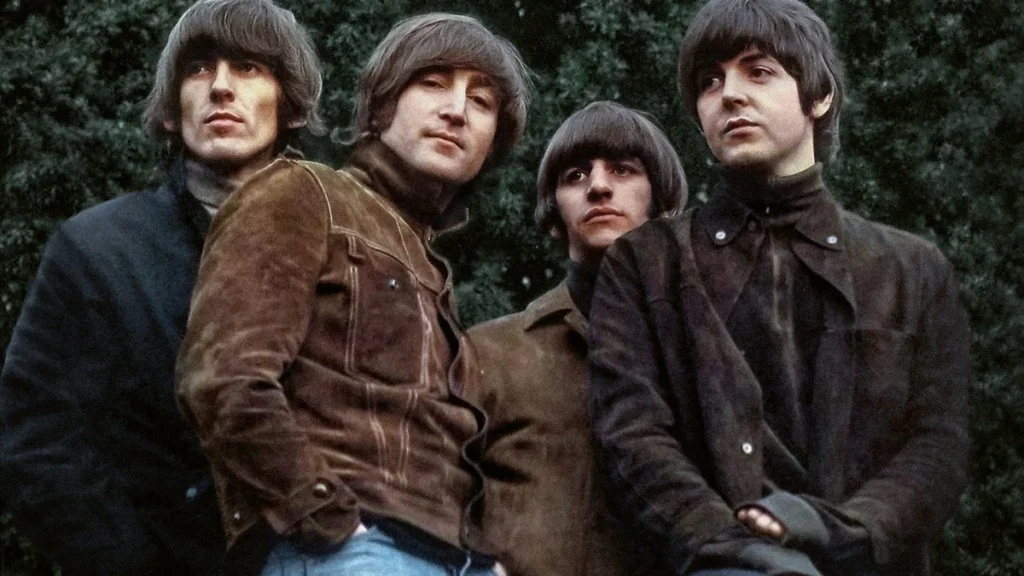
The Beatles’ Rubber Soul arrives in an expanded special edition on Friday 2 October, with a new stereo mix by producer Giles Martin and engineer Sam Okell and a Super Deluxe box that runs to 68 tracks. The find that matters most is a John Lennon home demo called “Little Girl”, a song outline that, according to the official announcement, was never before released or even rumoured.
Apple Corps and Universal Music announced the Rubber Soul reissue on 29 July. It is out on 2 October through Apple Corps, Capitol and UMe, more than six decades after the album was first released on 3 December 1965.
What Is in the New Rubber Soul Box
The Super Deluxe edition comes as four CDs or five LPs, each with an 88-page hardbound book in a 12-inch slipcase. The CD set runs to 68 tracks: the new stereo mix of the 14-song album, a disc of 28 sessions, demos and the single, the original 1965 mono mix, and the 12-track Capitol US version of the album, according to the full format listing from Universal Music Canada.
The vinyl box splits the outtakes across two records of 26 tracks and adds a 7-inch single of “Day Tripper” and “We Can Work It Out”. Every format carries the new stereo mix, which the labels say was sourced directly from the original four-track master tapes.
Below the box sets sit 2CD and 2LP special editions with a curated selection of session highlights, demos and the single, plus standard 1CD and 1LP releases. A Blu-ray carries a new Dolby Atmos mix, high-resolution stereo and the promotional films for “Day Tripper” and “We Can Work It Out”. There is also a limited orange vinyl pressing and a zoetrope picture disc sold direct to fans.
The Lennon Demo Nobody Knew About
“Little Girl” is the headline for collectors. Rolling Stone’s Rob Sheffield, who previewed the set in an exclusive first listen, describes it as a raw sketch with an unfinished lyric and a bittersweet tune that sounds like an early draft of “I’m Only Sleeping”, the song that later became a highlight of Revolver.
Martin told the magazine the tape came from the Lennon side of the family. “It was one of those things that came from the Lennon estate, I think it was Sean,” he said. “It was one of those things where they say, ‘Oh, and then there’s this.'”
It sits on the sessions disc next to two more home demos: an early songwriting work tape of “Day Tripper” and Paul McCartney’s demo of “We Can Work It Out”. Those three demos, and 20 of the session takes, have never been released before, according to the announcement.
Session Tapes That Show the Songs Changing
The outtakes are arranged to show songs being built. “Norwegian Wood (This Bird Has Flown)” appears in three versions, takes one to three. “Nowhere Man” and “I’m Looking Through You” each appear in a first and a second version, so the arrangement can be heard changing between sessions, according to the track listing published by The Beatles Bible.
There are instrumental backing tracks for “Drive My Car”, “Wait”, “Run for Your Life”, “If I Needed Someone”, “What Goes On”, “The Word” and “Girl”. “Michelle” appears as a guitar rehearsal and as its first take, which was released as a preview track on the day of the announcement.
“In My Life” gets its first take and an extract with an unused organ solo. The finished record famously uses George Martin’s piano solo, sped up to sound like a harpsichord, and this collection includes an outtake where he tries the part on organ, Rolling Stone reports.
The disc also keeps the studio chatter. A track titled Beatle Talk catches the band working out vocal overdubs for George Harrison’s “Think for Yourself”. “I try and put as much dialogue on there as possible, because I think it’s really important to hear them as people,” Martin told Rolling Stone.
How the New Stereo Mix Was Made
The new mix uses the de-mixing technology built for Peter Jackson’s Get Back documentary. The software was developed by the sound team led by Emile de la Rey at Jackson’s WingNut Films, and Martin and Okell used it on this project to bring the audio forward from the original tapes.
That matters on a record made on four-track tape. The new stereo mix is sourced directly from the original four-track masters, and the labels say the aim was clarity while staying faithful to the spirit of the original recordings. All 14 of the new stereo mixes are collected together for the first time.
The album was recorded over four weeks in October and November 1965, following the band’s record-breaking Shea Stadium concert in front of more than 55,000 fans in New York. Martin’s own summary of the sessions is blunt: “It’s an album born out of frustration of not wanting to be little boys anymore.”
Why Rubber Soul Still Sounds Like a Turning Point
The labels bill Rubber Soul as the record where the band stopped writing for the singles chart, and it is widely regarded as having pioneered the long-form pop album. Martin put it the same way to Rolling Stone: “This is the first album where they weren’t trying to write a bunch of singles and deciding what should be the single.”
The album carried “Drive My Car”, “Norwegian Wood (This Bird Has Flown)”, “Nowhere Man”, “Michelle”, “Girl” and “In My Life”, and it brought new sounds into the band’s records, including the sitar on “Norwegian Wood” and the harmonium on “The Word”. “It was a license to experiment,” Martin said.
The sessions changed the band’s working hours too. “‘Drive My Car’ was the first session they played beyond 12 o’clock at night,” Martin told the magazine. “But by the time two weeks later, they were recording till seven in the morning.”
Its reach went well beyond the band. Brian Wilson heard the album and set out to match it, recalling in 2009: “I said to myself, ‘Now I’m gonna make an album just as good as Rubber Soul.'” The next morning he went to the piano and wrote “God Only Knows”, according to Rolling Stone.
Where This Fits in the Beatles Reissue Series
Rubber Soul is the latest in a run of special editions that began with Sgt. Pepper in 2017 and continued with the White Album in 2018, Abbey Road in 2019, Let It Be in 2021, Revolver in 2022 and Anthology in 2025, Rolling Stone notes. With Revolver already done, both records from the band’s turn toward the studio now have full editions.
The Super Deluxe book adds new writing too. It opens with a fresh introduction by Paul McCartney and a foreword compiled from John Lennon’s own words about the album across his life, including the years after the band split, alongside rare photographs and track notes.
The Capitol US version is worth a listen in its own right. The American album dropped some UK tracks and added “I’ve Just Seen a Face” and “It’s Only Love” from Help!, opening with “I’ve Just Seen a Face”, a different running order from the UK album, according to the Beatles Bible listing.
Is the Rubber Soul Special Edition Worth It
For most listeners the answer depends on format. The 1CD and 1LP editions carry only the new stereo mix, which is the point of entry for anyone who knows the songs from streaming. The 2CD and 2LP sets add the best of the outtakes, and the Super Deluxe box is for anyone who wants every take, the mono mix and the book.
The reissue lands in a busy stretch for the band’s catalogue. The announcement also points to a fan experience planned at 3 Savile Row, the site of the rooftop concert, opening in 2027, and to Sam Mendes’s four-film Beatles project due in April 2028. Elsewhere this month, we reported that Watching the Tide is Steve Cropper’s final studio album.
Rubber Soul is out on Friday 2 October. “Michelle (Take 1)” is streaming now.
About The Author