Featured

Zach Outman Releases Carpe DMs, a Louisville Blend of Alt-Rock, Alt-Country and Pop

Zach Outman Releases Carpe DMs, a Louisville Blend of Alt-Rock, Alt-Country and Pop

The Former Baseball Draftee Turned Louisville Songwriter Has Released a Single Every Three Months

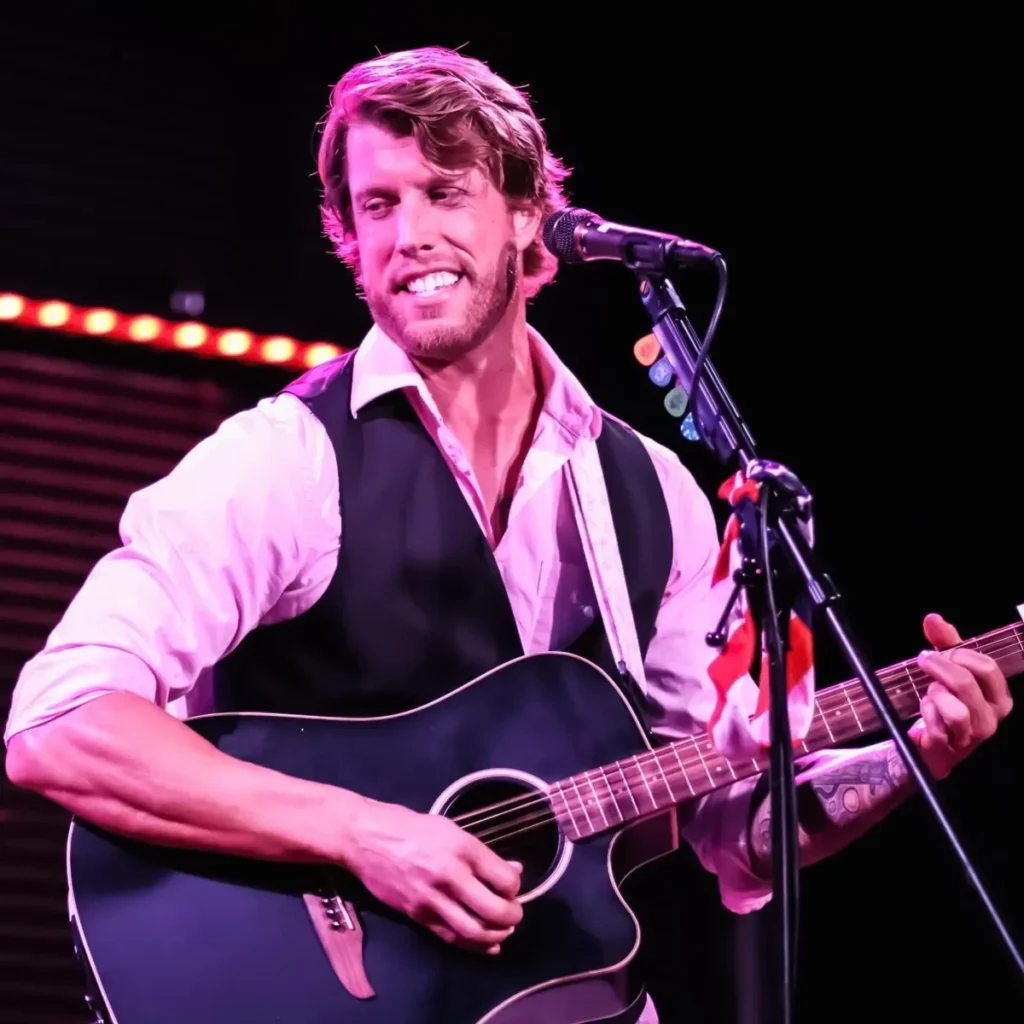
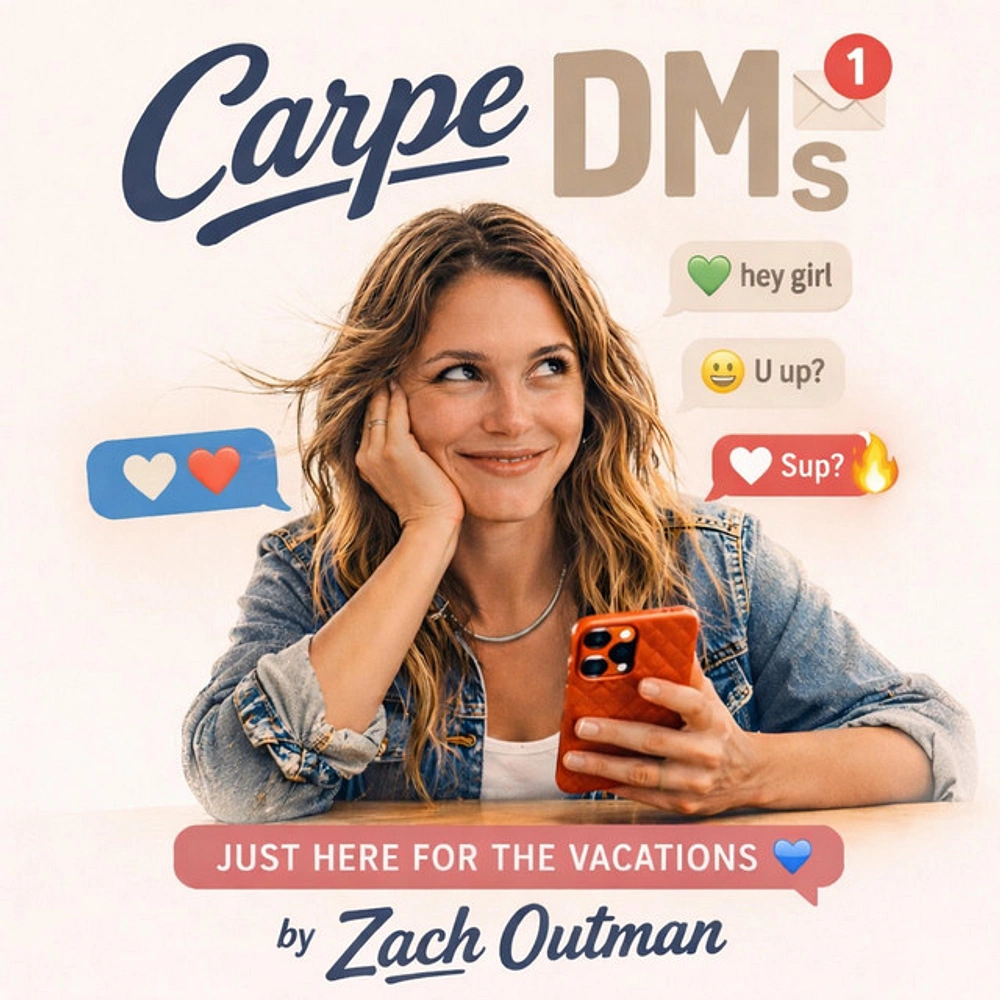
Zach Outman released Carpe DMs on 8 May 2026, and the title does the first job on its own: it swaps the day in carpe diem for direct messages. The Louisville singer-songwriter fits alt-rock pop, alt-country and alternative pop into two minutes and forty-eight seconds.

https://open.spotify.com/track/6jJdTnvcbFPxuwDG2xE5Un

Zach Outman's Carpe DMs now sits in the playlist below, and his artist profile keeps his coverage in one place. The single reached MusicDrops.News through PopHits.Co Music Charts, which verifies independent artists and places their releases across its network of music news desks. Hit play, then read on for the route that led here.

https://open.spotify.com/playlist/5tXYxc90KskxcPrP1ck4ik


Zach Outman Releases Carpe DMs, a Louisville Blend of Alt-Rock, Alt-Country and Pop

From a 2009 Blue Jays Draft to Louisville Stages and a Debut Single in 2025

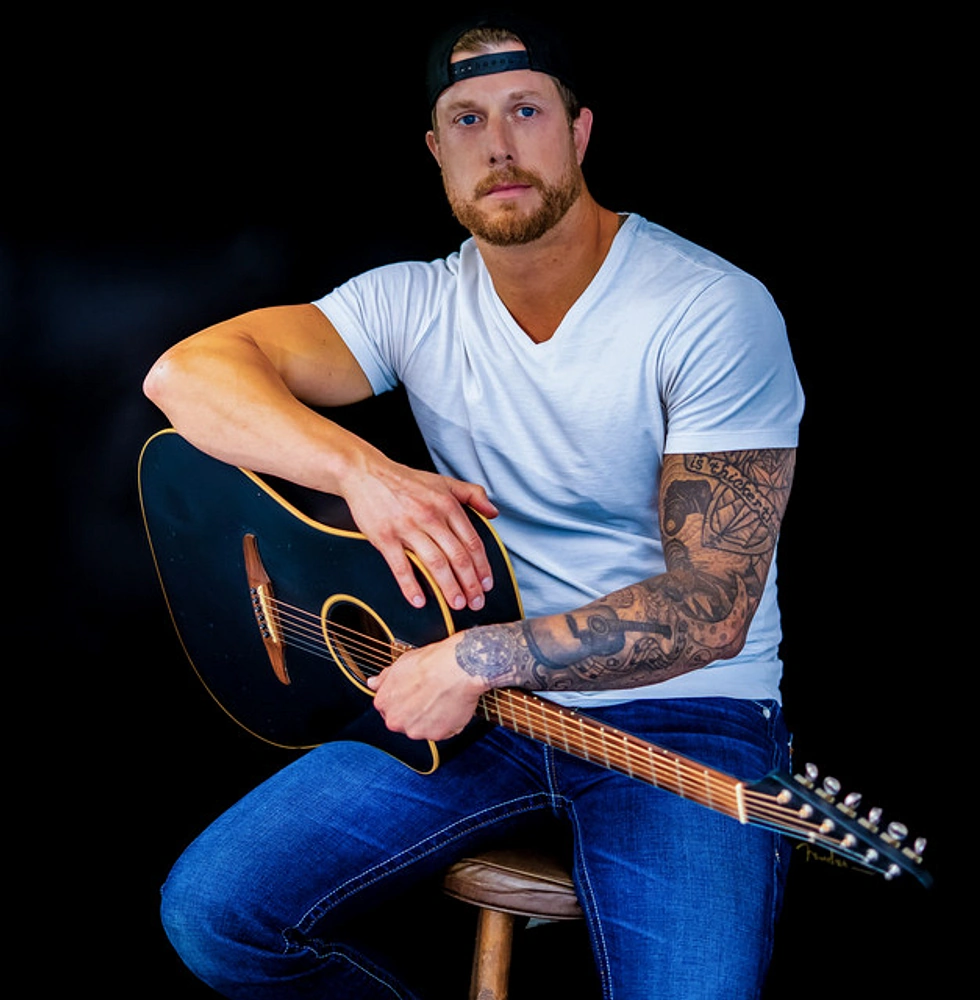
The route to this single is unusual. Outman was born and raised in South County, St. Louis, and his first career was baseball. The Toronto Blue Jays drafted him in 2009, before a lifelong condition cut his professional career short.

After that, music filled the gap. He taught himself guitar and how to perform, then became a regular in Louisville's local scene, where he has been based since 2016. His own website describes the songs from that period as lived experience turned into writing.

Later, the pandemic slowed the gigs but not the writing. By his own count he wrote nearly 50 songs in those years. A reset in 2025 then pushed him into the studio.

Warning Label and See You in Hell Paved the Way for Zach Outman and Carpe DMs

The first single then arrived on 11 November 2025. Warning Label, his debut single, is a midtempo ballad about love and ignored red flags. It is built on strong guitar chords, a steady groove and a raw vocal. His website says the song earned him the Outstanding National Male Singer Songwriter award at the Nashville Music Awards.

Then the pace became regular. See You in Hell followed on 14 February 2026, three months after the debut, and it carries an explicit tag. Releasing a song with that title on Valentine's Day also told listeners something about his sense of humour. By the spring, Outman had a pattern: one new single roughly every quarter, each one adding to the case for a debut EP.

Zach Outman Releases Carpe DMs, a Louisville Blend of Alt-Rock, Alt-Country and Pop

What Carpe DMs Adds to the Run, From a 2:48 Runtime to Alt-Country Pop

Carpe DMs is the third single in that run, and it is the shortest. It runs to 2:48, against 4:08 for Warning Label and just over three minutes for See You in Hell. It is also clean, with no explicit tag, which makes it the easiest of his singles to hand to a new listener.

Above all, the genre blend is the point. Outman sets the song where alt-rock pop meets alt-country, with an alternative pop finish. His catalogue sits under an indie-Americana banner on his website. Meanwhile, the title keeps the tone light, and at under three minutes the single never outstays its idea.

For that reason, it sits near two well-known names. Fans of Tyler Childers will recognise the approach to writing. The Kentucky songwriter built Purgatory in 2017 out of plain-spoken stories from his own corner of the state, and Outman's website frames his songs the same way. Listeners who follow Noah Kahan will recognise the crossover instead. His Stick Season carried folk and country storytelling into pop playlists in 2022, which is the same border Carpe DMs works along.

What Comes Next for Zach Outman After Carpe DMs, From Pain in the Ass to an EP

In fact, what comes next is already out. Pain in the Ass arrived on 4 September 2026, over the Labor Day weekend his website had flagged for it. That keeps the quarterly pace intact: November, February, May and September.

The bigger step is a debut EP, which his website calls "on the horizon". For now, the four singles work as a short introduction in release order. Together they run to just over 13 minutes, and Carpe DMs is the quickest way in.

In short, the listener for this single is easy to describe. It suits anyone who likes the pull of alt-country but wants a pop chorus and a rock edge alongside it. It also suits playlist builders looking for new voices in those scenes, and anyone in Louisville who has caught him live and wants the studio version.

From the MusicDrops.News Curator Team: "Carpe DMs is the single we would play first for anyone new to Zach Outman. It is under three minutes, it is clean, and it shows the alt-country and pop sides of his writing in one go. That is exactly what a first listen needs."

Stream Carpe DMs in the player above, then follow Zach Outman on Spotify, Apple Music, SoundCloud, his YouTube channel, Instagram, TikTok, X, Facebook and his official site.


John Basile Releases Toyland, Seven Years After His First Holiday Jazz Album

John Basile Releases Toyland, Seven Years After His First Holiday Jazz Album

A New York Guitarist Who Backed Tony Bennett Returns to the Christmas Songbook on Toyland

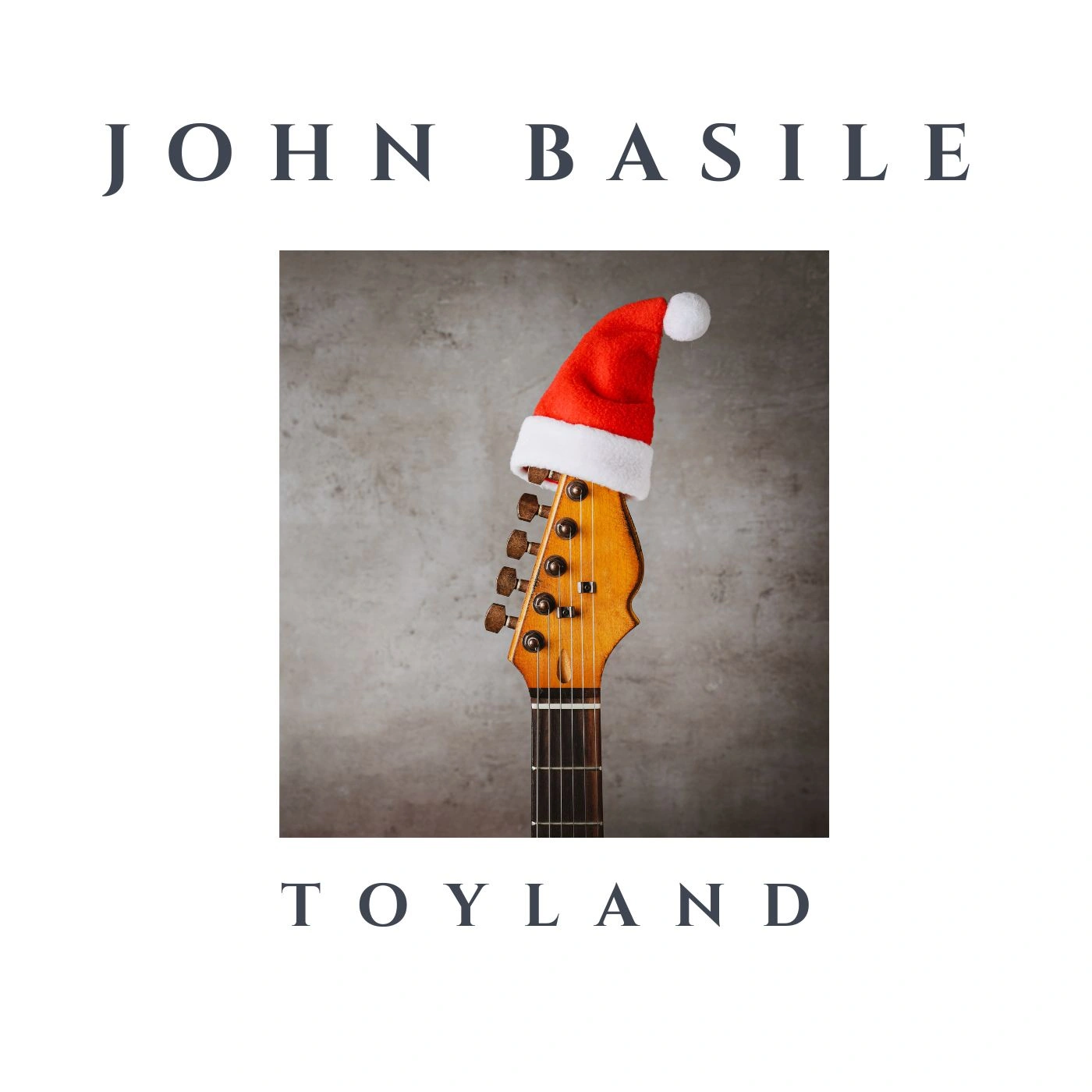
New York jazz guitarist John Basile released Toyland in August 2026, an instrumental take on a holiday standard that is more than a century old. It is the title track of his second holiday album, arriving seven years after Silent Night. And it runs to a brisk two minutes and eleven seconds.

https://open.spotify.com/track/6cY36QfjNoR1pzk8Ni5sDN

John Basile's latest recording sits in the playlist below, and his full run of coverage is gathered on John Basile's artist profile. Toyland came to this desk through PopHits.Co Music Charts, which verifies independent artists and places their releases across its network of music news desks. Hit play, then keep reading for where it fits in a long career.

https://open.spotify.com/playlist/1LUQUppwMVUVn3MZTo8oZM


John Basile Releases Toyland, Seven Years After His First Holiday Jazz Album

How John Basile Got From Tony Bennett's Bandstand to Toyland

Basile has spent decades on New York bandstands. His first break was a tour with Peggy Lee, which came on the recommendation of drummer Grady Tate. Jazz Guitar Today recalled that start in its 2024 profile. Since then he has accompanied Rosemary Clooney, Sylvia Syms and Tony Bennett. He has also played alongside Michael Brecker, George Mraz, Harry Sweets Edison and Tom Harrell.

Before all that, he trained at the New England Conservatory of Music. His own bio puts his solo catalogue at 15 albums, and recent entries include Satisfied in 2023, which The Music Asylum heard as funky, groove-led jazz, and Heatin' Up in 2024.

Jazz has never been his only job, either. Basile spent 25 years in radiology, medical imaging and business development. He still works as a professional boxing judge, scoring championship bouts at Madison Square Garden and Barclays Center.

What the 2026 Toyland Sounds Like on John Basile's Second Holiday Album

In 2019 he founded Stringtime Productions, which writes and produces cues for film, television and music libraries. That same year he released Silent Night, his first holiday album. There, MIDI guitar textures sat underneath live jazz guitar improvisation, and a Jazz Guitar Today review singled out the boppish guitar solo on its version of Toyland.

Toyland comes from Victor Herbert's 1903 operetta Babes in Toyland. Basile has now recorded it twice, and the 2026 version names the new album. In total, that album runs to 14 tracks and just over 28 minutes on the StringTime Jazz label.

It moves through carols such as The First Noel and It Came Upon a Midnight Clear, familiar seasonal pop like Santa Claus Is Coming to Town, and Vince Guaraldi's Christmas Time Is Here. It also returns to Silent Night, the song that named his first holiday record, so the new set reads as a sequel as much as a fresh start.

The title track keeps the spotlight on jazz guitar, pairing what Basile calls his signature style with intricate melodic lines around the familiar tune. Elsewhere, Jazz Guitar Today has described that sound as a warm, dark melodic tone. At two minutes and eleven seconds, Toyland gets to the point quickly.

John Basile Releases Toyland, Seven Years After His First Holiday Jazz Album

What Comes Next for Toyland, From Holiday Playlists to a Busy 2026

Timing matters here. An August release gives the album the whole autumn to find its way onto holiday playlists before December. The short running times help, too, because the 14 tracks average roughly two minutes each.

It is also only one part of a busy year. Across 2026, Basile has issued a steady run of singles, including You Must Believe in Spring in June, I Didn't Know What Time It Was in July and So Tender in August. Sundown followed on September 1.

Listeners who reach for Vince Guaraldi every December will recognise the approach. After all, A Charlie Brown Christmas made jazz a natural home for the season in 1965. Fans of Joe Pass will recognise the same respect for melody that made his 1973 solo album Virtuoso a reference point. Likewise, anyone raised on Charlie Byrd will find a kindred warmth here. His nylon-string bossa nova shaped Jazz Samba with Stan Getz in 1962.

The MusicDrops.News curator team: "What stands out on Toyland is how little John Basile needs to make his point. At two minutes and eleven seconds, the arrangement trusts the melody, and that economy is exactly what a working accompanist learns on the bandstand."

Stream Toyland by John Basile and Follow Him Across Platforms

For a first listen, start with the title track, then let the rest of the holiday album run.

Keep up with John Basile here:


Dylan Droll Splits Luxury Into Five Takes, From Sped-Up to Acapella

Dylan Droll Splits Luxury Into Five Takes, From Sped-Up to Acapella

The Latest in a Near-Monthly Run of Singles From a Baton Rouge Songwriter in Tampa

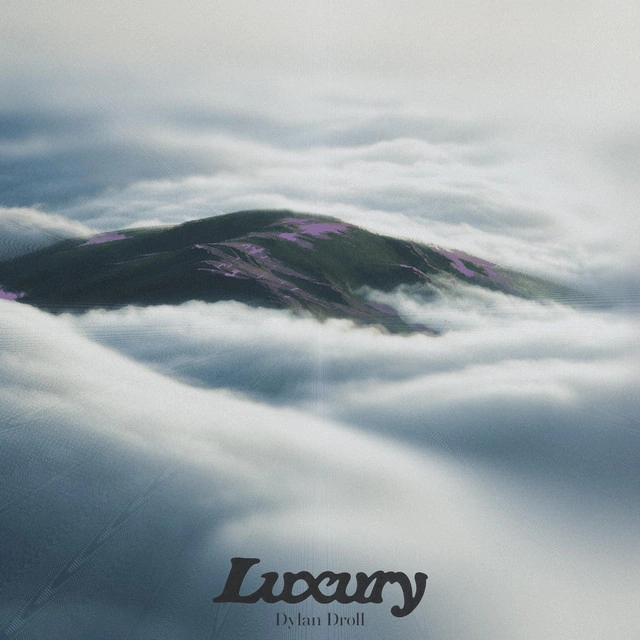
Luxury came out on 1 July 2026, and Dylan Droll released it five ways at once. There is the song itself, plus sped up, slowed down, instrumental and acapella versions. It is melodic rap from a songwriter who also produces and mixes records. The five-track set lets you hear each part of that work on its own.

https://open.spotify.com/album/1U3LzYzcv5JwydvmfuP7ZI

Dylan Droll's music sits in the playlist below, filed with the hip-hop and rap this desk keeps on rotation, and every feature on the artist is collected on the Dylan Droll profile. Luxury came to MusicDrops.News through PopHits.Co Music Charts, which verifies independent artists and places their releases across its network of music news desks. Press play on the original take, then read on for the other four.

https://open.spotify.com/playlist/1G47KPCuTuHdtwbLemaAMB


Dylan Droll Splits Luxury Into Five Takes, From Sped-Up to Acapella

Before Luxury, Dylan Droll Built a Monthly Release Habit From Baton Rouge to Tampa

Dylan Droll started making music in Baton Rouge, Louisiana, in 2008, and he was performing live by 2013. He now works out of Tampa, Florida. His job description runs wider than most artists on this desk: recording artist, songwriter, producer and mixing engineer. He also runs a steady line in mixing and mastering records for other acts.

He describes his own sound as acoustic instrumentation blended with melodic rap and reflective songwriting. The subjects he names are faith, family, growth and anxiety. He adds the everyday effort of trying to become a better person. Apple Music files his catalogue under hip-hop and rap. His own TikTok bio says acoustic rap and indie folk, which is closer to what sets him apart.

The Catalogue Before Luxury

The earliest release on his Spotify profile is Better Than That, from September 2023. Never Wanted followed a month later. The following year brought Long Time, Chardonnay, Traveling Back Home and Seem Right. By July 2024, with Chardonnay, he was issuing songs alongside sets of alternate takes. That packaging has since become his standard format.

From September 2025 the pace picked up. All Away arrived that month and Figure You Out in October. After that, HWY came out in December. Between January and April 2026 came Every Time We Sing, Going Again, Imagine Everything and Over Nothing. Phases landed at the start of June. Finally, Luxury closed that run on 1 July.

That is nine solo releases in ten months, and eight of them arrived as Versions sets. It squares with his own account of putting out new music every month. It also gives a first-time listener a clear way in. Pick any title, and you get the same song several ways.

Dylan Droll Splits Luxury Into Five Takes, From Sped-Up to Acapella

Luxury Splits One Song Into Sped Up, Slowed Down, Instrumental and Acapella Takes

The original Luxury runs to about two and a half minutes. The sped-up version trims it to just over two, while the slowed-down version stretches it to just under three. The instrumental and the acapella keep the original's length, one without the vocal and one with nothing but the vocal.

Each version suits a different listener. For example, the sped-up cut fits short clips and fast replays, whereas the slowed-down cut gives the melody more room to settle. The instrumental is the one to play if you want to hear how the track is assembled. That is worth doing with an artist who mixes records for a living. Finally, the acapella strips everything back to the voice and the words, where a reflective songwriter's work lives.

Apple Music lists the set as Luxury (Versions), an EP, and that label fits the format better than "single" does. Five tracks from one song is a small project. Even so, it is built so you can choose the doorway rather than being handed one.

Where Luxury Sits Next to Lil Peep and Yung Lean

Droll names Lil Peep and Yung Lean as the introspective artists his listeners are likely to know. Both comparisons help place the mood of his work. Neither implies any connection between the artists.

Lil Peep built his songs from looped guitar lines borrowed from emo and pop-punk. He sang over trap drums, with lyrics that hid very little. Droll, by contrast, works from acoustic instrumentation rather than samples, yet the instinct is similar: guitar-led music carrying confessional rap.

Yung Lean came out of Stockholm in 2013 with the Sad Boys producers. His verses were flat and half-sung, over hazy cloud-rap beats. Here the link to Droll is the melodic delivery, where the rapping sits close to singing.

So Luxury is for listeners who came to rap through those artists and want the same reflective mood on acoustic instruments. It also suits anyone who likes to hear how a track is built. In addition, the Versions format makes it easy to share. Use the sped-up take for a clip and the slowed take for late nights.

What Comes After Luxury and Where to Follow Dylan Droll

No follow-up has been announced at the time of writing, and Luxury is still his most recent release on Spotify. Still, his own description of a monthly schedule, and the run of releases behind it, suggest he is far from finished. The most useful thing a new listener can do is start with Luxury. Then work backwards through the Versions sets.

MusicDrops.News's curator team: "Plenty of artists drip-feed a sped-up or slowed version weeks after the original. Putting all five takes out on the same day means Luxury meets listeners in whatever form they already reach for. Releasing the acapella and instrumental also shows a songwriter happy to let people hear the parts."

You can find Dylan Droll across these platforms:


Sia Pitched Chaka Khan a Dance Album, and Chakzilla Is the Result

Sia Pitched Chaka Khan a Dance Album, and Chakzilla Is the Result

Chaka Khan releases Chakzilla on Friday 18 September. It is her first album since Hello Happiness in 2019, it runs to 10 songs, and it exists because Sia asked a simple question: could she write a dance album for the funk legend?

The answer is a record co-written with Sia, produced by Greg Kurstin and built for the dancefloor. Snoop Dogg, Sia and Lenny Kravitz all appear as guests. Khan says there is not a single slow jam on it.

How Sia Talked Chaka Khan Into a Dance Record

The partnership goes back a few years. Khan and Sia sang together on stage when Khan was inducted into the Rock and Roll Hall of Fame in 2023, and they collaborated on Sia's song Immortal Queen in 2024, according to WBEZ Chicago.

Then Sia made her pitch. Khan told WBEZ she responded that Sia would have to deliver something that popped, and that Sia did exactly that. Khan calls Sia her goddaughter and has praised her songwriting in unusually blunt terms on stage.

The working process was quick. Sia and Kurstin sent ideas, and Khan told WBEZ that the lyrics felt as though she had written them herself. When she asked Sia how she had managed it, Sia said she had been watching and listening to Khan since she was a baby.

Sia has been equally warm in public. In comments carried by WBLS, she described working with Khan as a long-held dream and praised her voice as one of the most distinctive in music.

Ten Songs and No Slow Jams

The album runs to 10 tracks, according to RETROPOP: Chakzilla, Boogie's in My Soul featuring Snoop Dogg, Curious Subject, Cool U Down featuring Sia, I Know You Can, Bring the Party featuring Lenny Kravitz, Always Love the Challenge, Heart of Gold, Now and Forever and Dreamy Stuff.

Fans hoping for a ballad will not find one. Khan told WBEZ that slow songs simply did not fit the vibe. She described the record as uplifting and positive, and said it is about being out in the world, living your life, having fun and being a good person, rather than about heartbreak.

Her official statement makes the same point. Khan said the album is about joy, freedom and loving yourself and each other, and about finding your power wherever you are in life. She added that she has lived a lot of life since her last record and wanted these songs to celebrate that.

The singles released so far bear that out. WBEZ describes them as upbeat pop songs flavoured with disco, funk and jazz, with lyrics about confidence, fun, spreading joy and a promising new romance.

The Singles So Far

The title track came first. Its video shows a supersized Khan walking through a city and restoring buildings instead of flattening them. Khan told WBLS that she loved the Godzilla films as a child and wanted her own giant to be a force for good rather than destruction.

A promotional image for the song shows the giant Khan leaning against a building beside a Chaka Khan Way street sign. WBEZ notes that the same sign exists in real life in Hyde Park, Chicago, the neighbourhood where she grew up, and Khan told the station that everything about her comes from being from Chicago.

Boogie's in My Soul followed in June as the second release. It is a dance-pop track with Snoop Dogg, and WBLS reports that Snoop opens the song with a nod to Khan's 1984 hit I Feel for You, the Prince-written single from her solo catalogue. Its video shows the pair performing in front of a lively crowd.

The latest single is Curious Subject, according to the Pause and Play release listings. WBEZ reports that its lyrics play on Khan's enduring appeal, inviting listeners to get to know her.

A Release on Her Own Terms

Chakzilla arrives through BMG, according to retail listings, and WBEZ reports that Khan is releasing it on her own label, EarthSong. That matters to her. She left Warner Bros in the mid-1990s because she felt she had lost control of the direction of her music, recorded Come 2 My House with Prince on his NPG label, and founded EarthSong in 1998.

Khan told WBEZ that her career now runs at a pace that keeps her happy after years in a gruelling industry. She lives on her own farm in Georgia, and said she has always wanted to feel this free with her music.

Pause and Play lists the album on CD and on vinyl, including an Amazon-exclusive CD with a signed insert. The listing credits Kurstin as producer, and names Lenny Kravitz, Snoop Dogg and Sia as the guests.

The Chicago Story Behind the Name

Chaka Khan was born Yvette Marie Stevens and grew up in Chicago's Hyde Park and Auburn Gresham neighbourhoods in the 1950s and 1960s. WBEZ reports that her home was full of art and records: her father made charcoal sketches, her mother painted, and the adults around her played everything from opera and jazz to soul.

Spirituality came early too. Her great-grandmother, a spiritualist, made her learn Psalm 23 and read her palm, predicting that many people would one day know her name. The name itself arrived later, when a Yoruba priest gave the teenager the name Chaka, meaning woman of fire, according to WBEZ.

Her teenage years were also political. While at Calumet High School and Kenwood Academy, she campaigned for Black liberation and joined the Black Panther Party, working with Fred Hampton before he was killed in a police raid. Khan told WBEZ that the hard side of city life made her stronger and taught her lessons she still carries.

Music took over in the 1970s. After talent shows and club gigs on the North Side, she joined the local funk band Rufus, which scored early hits with Tell Me Something Good, You Got the Love and Sweet Thing before her solo career took off. That history explains why a street sign, a hometown and a sense of doing good sit at the heart of the Chakzilla videos rather than on the margins.

A Year Full of Honours

The album lands at the end of an unusually busy year. According to WBEZ, the highlights have included a Grammy Lifetime Achievement Award, the West End debut of I'm Every Woman: The Chaka Khan Musical, a viral performance of Through the Fire for the COLORS platform, and the addition of I Feel for You to the Library of Congress National Recording Registry.

She has also been road-testing the new material. Khan previewed songs from the album at First Avenue in Minneapolis on 3 June during Prince Celebration: 2026, a week-long tribute to her late friend and collaborator, as a DJ played Boogie's in My Soul and Curious Subject for a crowd that was among the first to hear them.

The 11-time Grammy winner followed her Rufus years with solo classics such as I'm Every Woman. Chakzilla is not an attempt to recreate that era. It is a pop and dance record written with a songwriter, Sia, who grew up listening to it.

Where to Start on Friday

For listeners who want the party first, Boogie's in My Soul is the obvious entry point, with Snoop Dogg bridging her 1984 hit and the new album. For the clearest sense of the Sia partnership, start with Cool U Down, the track Sia sings on. Bring the Party, with Lenny Kravitz, adds a third very different voice to the record.

MusicDrops.News recently covered another late-career release from a soul great, when Watching The Tide became Steve Cropper's final studio album. Chakzilla points in a different direction. At 73, Chaka Khan has made a record that looks forward, sounds bright and asks nothing more of its listeners than that they get up and dance.

EJ Michels Releases Sonder, a Song Named for Noticing Strangers

EJ Michels Releases Sonder, a Song Named for Noticing Strangers

The Draper Singer-Songwriter Closes a Five-Release Year with a Turn Toward Other People

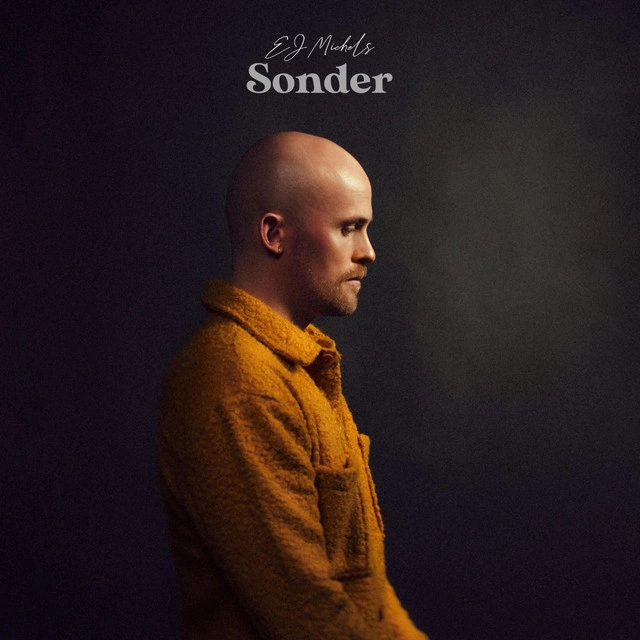
EJ Michels released Sonder on 28 August 2026. The single runs to three minutes and fifty six seconds. Its title borrows a coined word for the moment you notice a stranger's life is as full as your own. The Draper, Utah singer-songwriter arrives at it after the busiest stretch of his catalogue so far. For anyone who found him through The Voice, this is where to pick the thread back up.

https://open.spotify.com/track/1BURTVWRQXTiY6XY7QHZXP?si=56bcf7905cdb4718

EJ Michels keeps tracks in the playlist below, and 2026 has given him a catalogue worth working through, mapped on the EJ Michels profile. Sonder arrived at this desk through PopHits.Co Music Charts, which verifies independent artists and places their releases across its network of music news titles. Give it a listen before reading on.

https://open.spotify.com/playlist/7LSn2pdm1phn9IASyfrO0M


EJ Michels Releases Sonder, a Song Named for Noticing Strangers

From The Voice to Michigan Avenue, the Road EJ Michels Took Before Sonder

EJ Michels is an independent singer-songwriter from Draper, Utah. He reached a national audience as a contestant on The Voice. He did not sign to a major label afterwards. Instead he put out his debut album, Michigan Avenue, himself in 2023.

That record set the terms for everything after it. Its songs drew on his life as a gay man growing up in the Latter-day Saint faith, as The Salt Lake Tribune reported at the time. The title points at a Salt Lake City street. A debut named after one specific road in your own city tells you how local this writer is willing to be.

Then 2026 became his most productive year on record. The album Strange World arrived, followed by a full instrumental edition of the same album. Two singles came after that, Changes (Live at Velour) and Contagious. Sonder closes the run at the end of August.

One album, one instrumental edition and three singles inside a calendar year is a working pace. It is not a promotional one. That is the clearest thing his catalogue says about him, and it is why a new EJ Michels single earns twenty minutes rather than a scroll past.

Sonder Takes Its Name From a Word for Noticing Other People's Inner Lives

The title is doing real work here. "Sonder" is not an old English word. It was coined for The Dictionary of Obscure Sorrows. It names one specific realisation: that every passer-by is living a life as vivid and as full of private business as your own.

That is a pointed thing for this writer to name a song after. Michigan Avenue looked inward, at one life and one upbringing. A title like Sonder turns the camera around and points it at everyone else in the frame. Whether the lyric follows that turn is for each listener to settle. The choice of word is deliberate, and it is the first thing the single tells you.

The practical details are straightforward. Sonder is a standalone single, listed separately from Strange World rather than lifted off it. It runs to three minutes and fifty six seconds, which is radio length without being clipped to fit. It has been out since 28 August 2026. You can hear it on Spotify and Apple Music.

EJ Michels Releases Sonder, a Song Named for Noticing Strangers

Who Sonder Is For in an Independent Release Week

This one is for listeners who follow independent singer-songwriters rather than labels. That audience does its own work. It checks new release pages on a Friday, then decides on a first listen whether a name is worth keeping. EJ Michels rewards the habit, because his catalogue is deep enough to repay a second visit.

It also lands for anyone who tracks artists after a televised talent show, which is a harder road than it looks. Most contestants release nothing. A smaller group release once. Michels has released steadily for three years without label backing, which puts him in a much smaller group again.

The release is aimed at the United States, the United Kingdom and Canada. It sits comfortably in the kind of independent pop playlist that leans on writing and voice rather than production budget. If your listening runs toward singer-songwriters working without a machine behind them, Sonder belongs on the shortlist this week.

From the MusicDrops.News curator team: "What makes Sonder worth flagging is not that it is new. It is the fifth release in a year from an artist nobody is paying to be prolific. Michels named a song after the moment you notice other people are real, and he has quietly done the work that earns the title."

Where EJ Michels Goes Next and How to Follow Sonder Across Platforms

The honest answer on what comes next is that the pace is the signal. An album, an instrumental edition and three singles in one year is not a build toward one event. It is a schedule. On that evidence, expect more music before the year is out rather than a long silence.

What is worth watching is the direction the title hints at. Michigan Avenue was a record about one life told from the inside. Strange World widened the frame. Sonder names the exact moment that widening happens. If that is a deliberate arc rather than three good titles in a row, the next record is the one that shows it.

For now, Sonder is out and easy to find. Keep up with EJ Michels across platforms: Spotify, Apple Music, YouTube channel, Instagram, TikTok, X, Facebook, and his official site. The album that preceded this single sits on Strange World.

Kim Vestin Spent Three Years Recording Phoenix in a Home Studio

Kim Vestin Spent Three Years Recording Phoenix in a Home Studio

Eight Tracks From Stockholm, Still Picking up Reviews Ten Months After Release

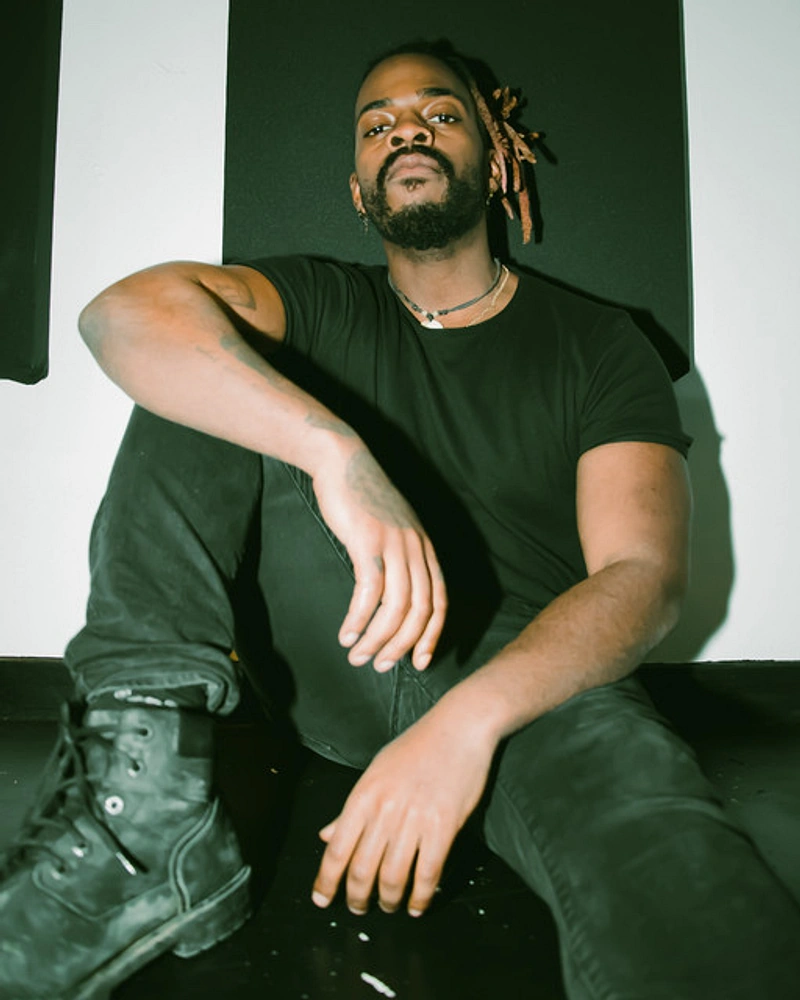
Kim Vestin released Phoenix on 14 November 2025. It runs to eight tracks, she recorded it at home in Stockholm across roughly three years, and reviewers were still writing about it ten months later. That last part is the unusual bit.

https://open.spotify.com/album/3y9o1vBHPm43ClO0gn7twa

Kim Vestin is in the playlist below, and the Kim Vestin profile carries the rest of what we have published on her. Phoenix reached this desk through PopHits.Co Music Charts, which verifies independent artists and places their releases across its network of music news sites. Give it a first listen before reading further.

https://open.spotify.com/playlist/7LSn2pdm1phn9IASyfrO0M


Kim Vestin Spent Three Years Recording Phoenix in a Home Studio

Before Phoenix: What Kim Vestin Had Already Released

Plenty of the coverage treated Phoenix as a debut. Vestin corrected that herself, telling Mesmerized in November 2025: "It's technically not my debut! I released an album a looong time ago". That first record predates Spotify. Physical copies are the only copies, and she tracked the vocals in a friend's closet.

So the run-up here is longer than it looks. She grew up in Ångermanland, in northern Sweden, and moved to Stockholm. Her father was a singer and, by her account, her first vocal coach. A later coach handed her Joni Mitchell's Blue, which she describes as the record that changed how she thought about singing.

The streaming-era work started with singles. CLOUT covered "I will never learn" and called it poignant and memorable. Mystic Sons has now written about her twice, once for that single and again for the album.

None of that is a large catalogue. It is, though, a long approach: one album put out before the platforms existed, a gap, then singles, then this.

What Three Years at Home Actually Bought

Phoenix opens with "Another night" and closes on "Save your goodbyes". In between sit "Every little thing", "They will never find you", the title track, "Who's gonna come for me", "Just in time" and "Beginning and end".

Vestin made it at home with producer Love Sivik, and the three-year timeline shows in how many people ended up on it. Ossian Ward and Fredric Holmberg play drums. Oscar Björk, Alexander Grönlund and Gustav Alte play guitar. Albin Johansson handles synth, Roman Gens the electronics, Albin Grahn the horn. Simon Nordberg mixed it and Hoffe Stannow mastered it at Cosmos Mastering.

That is a full-band credit list on a record made in a domestic room, which is the practical argument for taking three years. Players get added one at a time when the schedule is nobody's but yours.

She has named "They will never find you" as a track where the result matched the intention, describing it as writing to herself as a small child. It sits third, and it is the clearest statement of what the album does: quiet at the start, arranged outward, resolved rather than resolved loudly.

Kim Vestin Spent Three Years Recording Phoenix in a Home Studio

How It Landed, and What It Sounds Like

The reviews reached the same quality from different angles. Sinusoidal Music called it an emotional pop album that takes its time. No Transmission used the phrase slow-burning. Hit Harmony Haven reached for the language of film. Berlin On Air filed it under indie pop, and Pitch Perfect reviewed it alongside its other indie album picks.

Two reference points help place the sound, neither a claim of any connection between the artists. Agnes Obel built a following on Nordic pop that stays quiet and lets the arrangement do the work. First Aid Kit showed how far a Swedish folk-pop record travels when the vocal is the centre of it rather than an ornament.

Phoenix is for listeners who want pop with space in it and are willing to give a record more than one pass. Eight tracks is a short album. It is also a deliberate one.

What comes next is the open question. There is no announced follow-up. What there is instead is an album that kept getting written about through 2026, which for an independent artist counts for more than a loud first week.

MusicDrops.News's curator team: "Ten months is a long time for a small independent album to keep collecting reviews. That usually means the record is doing the work on its own, and on first listen you can hear why: nothing on here is in a hurry."

Where to Hear Phoenix and Follow Kim Vestin

Phoenix is out now and runs to eight tracks.

You can stream it on Spotify or buy it from the artist on Bandcamp.

Kim Vestin posts new music and studio updates on Instagram, Facebook and TikTok.


WOLFKAT Good Guy Resurfaces on the Bad News Im Awake Album, Two Years On

WOLFKAT Good Guy Resurfaces on the Bad News Im Awake Album, Two Years On

The Ottawa Alt-Pop Single That Now Sets up a Full-Length Record

WOLFKAT released the good guy single on 26 July 2024. Two years later it has a new job to do. The track is being folded into Bad News, I'm Awake, the album he has coming. That turns a standalone single into the opening argument for a longer record, which is the one thing worth noting about it now.

https://open.spotify.com/album/4CKzQ4fXD1urptwBrEE3FS

WOLFKAT’s music sits in the playlist below, and this desk’s coverage of him starts on the WOLFKAT profile. good guy came through PopHits.Co Music Charts, which verifies independent artists and places their releases across its network of music news titles. Play it first, then read on.

https://open.spotify.com/playlist/7LSn2pdm1phn9IASyfrO0M


WOLFKAT Good Guy Resurfaces on the Bad News Im Awake Album, Two Years On

What WOLFKAT Built Before Good Guy and How the Track Fits

WOLFKAT works out of Ottawa. The catalogue behind this single runs through alternative pop with a heavy commercial-pop instinct, and it has been built partly through collaboration. Yung Heat, M19, Mark Battles and Kiente all turn up in his credits.

That matters for how good guy sounds. A writer who spends time on other people's records tends to arrive at his own with the arrangement already settled. This track does. It opens with a clean guitar figure and a bright lead line rather than a synth pad, then puts an uptempo beat under it.

What the Autotune and the Mix Are Doing on the Single

The vocal is where the genre tags earn their place. He uses autotune here as a texture rather than a repair job. It is pitched so it reads as part of the production, not as a fix applied afterwards. That is the difference between the tool as a crutch and the tool as an instrument. It is also why the track sits closer to alternative pop than to straight commercial radio.

Underneath, the bass pulses rather than holds, and the vocal leads float over it. The chorus arrives quickly and repeats without wearing out. It is a conventional structure executed with more care than the conventions require.

The mix keeps the guitar and the vocal in the same register for most of the song. That is a risk. Two bright elements competing for one space usually cancel each other out. Here the guitar drops back whenever the vocal takes a line, then returns in the gaps. The two trade rather than fight.

MusicDrops.News curator team: "The autotune is the tell. Most records reaching this desk use it to tidy a performance, and you can hear the seams. On good guy it is tuned into the arrangement as another layer, which is a production decision rather than a rescue, and it is why the track has held up two years past its release date."

WOLFKAT Good Guy Resurfaces on the Bad News Im Awake Album, Two Years On

Two Years Between the Single and the Album It Ended Up On

That is a long gap. It usually means one of two things: the track was held back, or the record around it took longer than planned. Either way the song has already had its first life, and the press it collected then is a matter of record rather than a projection.

Illustrate Magazine reviewed it, Plastic Magazine ran it as alternative pop worth attention, and INDIEOCLOCK covered it in Brazil. Three write-ups across three different readerships is a reasonable return for an independent release.

What changes now is context. As a standalone single, good guy was a summer track with a hook. As the entry point to Bad News, I'm Awake it becomes a statement of what the album will sound like. Listeners who come to it that way will hear the production choices as deliberate rather than incidental.

Where WOLFKAT Good Guy Sits Now and How to Hear It

For anyone deciding whether to spend twenty minutes here, the shelf test is straightforward. This is for listeners who keep Post Malone records for the melodic writing rather than the features. It is for people who came to alternative pop through Kid Cudi. And it is for anyone who heard what Bon Iver did with pitch-shifted vocals as an artistic decision rather than a correction.

If those three sit on the same shelf for you, good guy belongs next to them. The album will settle the question either way, and until then this is the clearest thing on record about where WOLFKAT is heading.

Stream WOLFKAT on Spotify and watch on the YouTube channel. He posts on Instagram, TikTok and Facebook.


Hydra Vein Releases Perpetual Violence Machine with One Original Member Left

Hydra Vein Releases Perpetual Violence Machine with One Original Member Left

One Original Member, A New Singer, and A Band That Kept Going Anyway

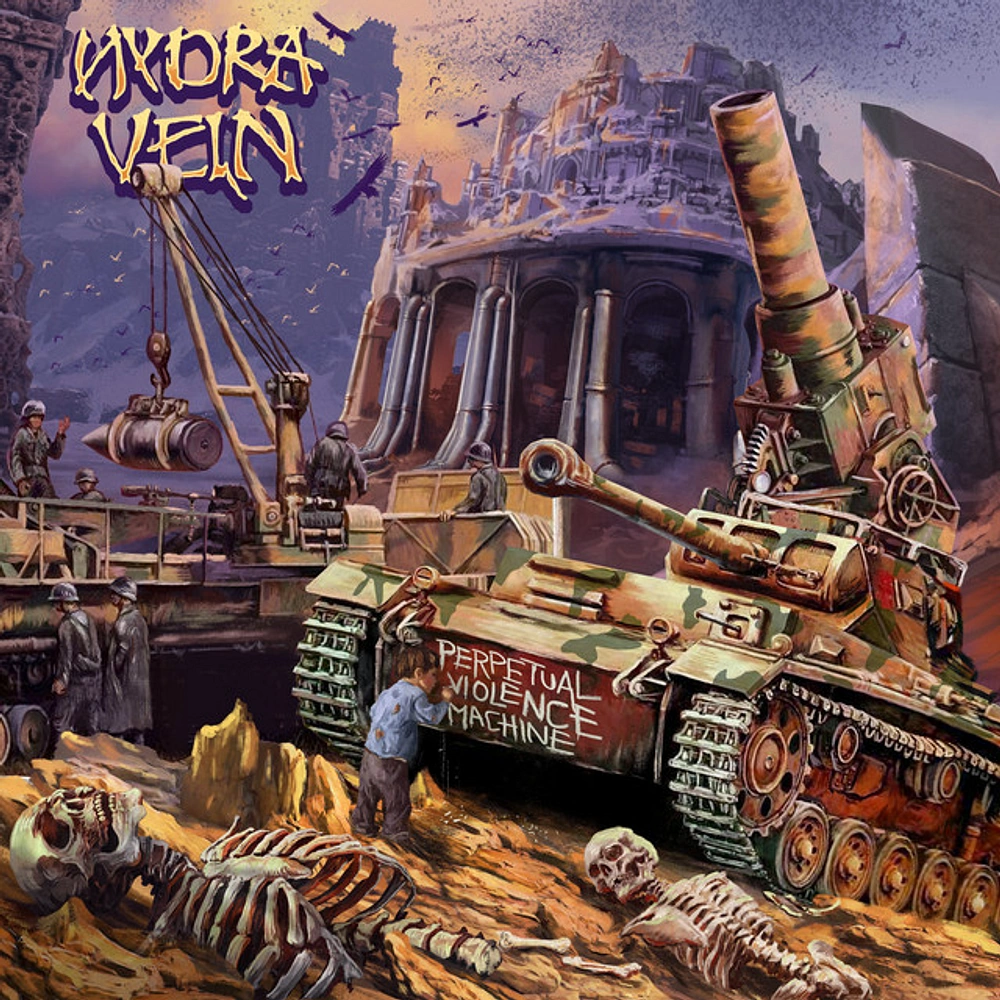
Perpetual Violence Machine is out now on Iron Shield Records. The most useful thing to know about it is who plays on it. Of the band that made the first Hydra Vein records in the late eighties, one man remains. Everything else about this EP is downstream of that fact.

https://open.spotify.com/album/6xqJI4GMOovrBiIstLFjks

Hydra Vein's music is in the playlist below, and the band's full run of coverage sits on the Hydra Vein profile. Perpetual Violence Machine came to this desk through PopHits.Co Music Charts, which verifies independent artists and places their releases across its network of music news desks. Put it on loud, then read on.

https://open.spotify.com/playlist/0AbUGsUd4iODe5sxlxNeiO


Hydra Vein Releases Perpetual Violence Machine with One Original Member Left

Where Hydra Vein Came From, And What Got Them Here

Hydra Vein were a UK thrash band in the first wave. Then they were nothing for a very long time. Then in 2022 they came back with Unlamented. That is the story in three lines, and it skips the part that matters. How much of the band actually survived the gap?

The answer is one. Bassist Damon Maddison is the only member left from the original run. Both of the outlets that have covered this EP in detail land on the same point. Metal Invader puts it plainly. From the old guard only Maddison remains, and seasoned underground players now surround him. Metal Forces records the same line-up arithmetic, and adds the other change that shapes this record. Ross Curry has come in on vocals in place of James Manley-Bird.

So this is not a nostalgia reunion holding its original shape. Instead one person and a body of songs carry the band. That is harder to do, and more honest to admit.

The other change is geography. Hydra Vein started as a British band and now operate out of the Netherlands. That puts them inside the European thrash circuit rather than the English one they came up in.

Why The Label Matters Here

Iron Shield Records is not a general metal label. It states its remit openly: old school and traditional metal, mostly heavy, speed and thrash, nothing modern or trendy. So a band signing there tells you what kind of record it intends to make, before a note is played.

That is worth saying because a first-wave thrash band returning in the 2020s has two obvious routes. One is to modernise and chase a contemporary production. The other is to find a label whose entire catalogue is built for the sound you already have. Hydra Vein took the second. The EP follows that choice rather than fighting it.

https://www.youtube.com/watch?v=dNHqW77bO4Q
Watch the video and check the artist's YouTube channel for more.

Hydra Vein Releases Perpetual Violence Machine with One Original Member Left

What Perpetual Violence Machine Does, And Where It Leaves Them

The material is raw British thrash with anti-war writing running through it. Moreover, the reviews so far agree on the register rather than arguing about it. Metal Invader calls the EP tightly bound. It hears in Curry's delivery a lyricism and a grumpiness close to Megadeth's Dave Mustaine. That is a fair reference for a vocal that carries a lyric rather than shouting over the riff.

The wider comparison is the European thrash that stayed working while the UK wave broke up. Sodom are the clearest example of the type. They kept the tempo and the politics, they simply never stopped, and their audience has been reliably there for forty years. Hydra Vein are attempting a compressed version of the same thing, with a long gap in the middle of it.

Neil Arnold's write-up in Metal Forces has the sentence that best explains what this release is for. He says he is glad they are still going, and gladder still that they put out something that takes him back to that era. That names the audience, and it is a real one.

From the MusicDrops.News curator team: "The line-up arithmetic is the story. One original member, a new singer, and a label whose whole catalogue is old-school thrash. Everything this EP does follows from those three decisions rather than from a marketing plan."

Where To Hear Perpetual Violence Machine And Follow Hydra Vein

As for what comes next, the band's own answer is currently the EP itself. There is no announced follow-up, and Iron Shield's published schedule for the coming year does not list them. The band is active and the record is out. This run of coverage is therefore the push behind it, rather than a trailer for something else. For a band in its third act, holding position with a record people still write about is not the worst place to be.

You can hear the EP on Spotify, Apple Music, Deezer and Amazon Music. It also sits on Bandcamp. The full EP stream sits on YouTube.

Keep up with Hydra Vein on Facebook and Instagram.


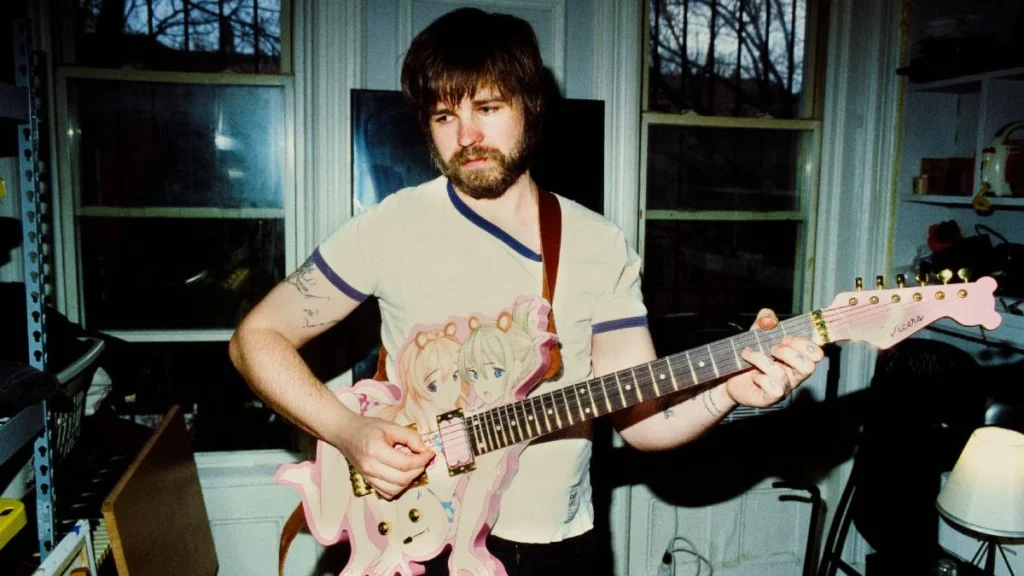
Nate Amos of This Is Lorelei holding a guitar

This Is Lorelei Wrote His Matador Debut From a Van Window

This Is Lorelei releases The Singer in My Band this week, the first album Nate Amos has made for Matador Records. It is for anyone who followed the run of records he has been putting out since 2024 and wondered what happens when the underground songwriter gets a proper label behind him.

The thing worth noting is how it was written. Amos was on tour, with no instrument to hand, and the songs arrived through a van window.

Written Without an Instrument

"The ideas incubated while daydreaming in the car without access to any instruments," Amos says in Matador's own notes on the record. "So instead of being home and writing on the guitar or a computer, they developed slowly and subconsciously, existing as a sort of intangible thing while looking out the van window."

That is a real constraint, not a colour detail. A song written at a guitar tends to be shaped by what the hands can reach. A song assembled in the head has no such limit, and no editing either.

Matador calls it the first true road record in his discography. It was written while touring in support of releases from both of his projects, which is a lot of van.

What He Is Building On

Amos plays in Water From Your Eyes and runs This Is Lorelei on his own. In 2024 he signed the solo project to Double Double Whammy and released Box For Buddy, Box For Star.

That record did more than land well. Stereogum described it as having emerged as one of the defining indie rock albums of this decade, and noted the growing recognition of Amos as a singular songwriter.

Last year he re-recorded a batch of old songs as Holo Boy. Before any of that, This Is Lorelei was known only to a small circle in Chicago, where Amos moved in his early twenties and produced hundreds of albums and EPs before relocating to New York.

Other Artists Keep Covering Him

The clearest measure of where he stands is who has recorded his songs. MJ Lenderman, Hayley Williams, Jeff Tweedy and Cameron Winter have all covered his material, and Waxahatchee and Snail Mail joined the run of Box For Buddy covers issued across deluxe editions.

That is an unusual list for someone at this stage. Covers from established artists usually follow commercial success; here they arrived alongside it, and in some cases ahead of it.

It also tells you something about the songs themselves. Material that survives being sung by four very different voices is material with structure underneath it, not just a performance.

He Made It Himself, With His Family on It

Amos engineered, produced and performed everything on the record. The exceptions are all family: banjo from his father, the bluegrass musician Bob Amos, and vocals from his sister Sarah Amos and his partner Al Nardo.

"They're three people who had a fundamental impact on what this album was to begin with," he told The Line of Best Fit when the album was detailed in June.

Banjo from a bluegrass parent is not a decorative credit on a record framed around the Great American Songbook. It is the actual lineage, played by someone who plays it for a living.

Lead single "Billy Came Back" arrived with the announcement, and Amos described its writing in terms that match the van-window method exactly. "'Billy Came Back' stewed for months before I picked up a guitar to work it out," he said. "I kept forgetting about it but it always came back. Finishing the song was the only way to get it to leave me alone."

That is the same filter described earlier, stated from the inside. The song was not written down and worked on; it was carried until it refused to be ignored. On a record made this way, the surviving material has already passed a test most demos never face.

The Songbook Reference Is Doing Real Work

Matador frames the record as taking the building blocks of the Great American Songbook and twisting them into new shapes, describing the result as at once strangely familiar and endearingly offbeat.

Read that alongside the writing method and it makes sense. Standards are the most portable songs ever written: melody and chord movement that survive being hummed, transposed and rearranged, because they were built to be played by anyone. They are exactly the kind of song you can carry in your head across a continent.

A record written without an instrument almost has to lean that way. Whatever cannot be remembered does not make it into the song, which is a harsh filter and a useful one.

Formats and Release

The record is out this week, with Matador listing orders arriving around 11 September. It comes on bone white vinyl and standard black vinyl, both at under twenty-six dollars, and on CD at under fourteen. LP orders include a bumper sticker while supplies last, and there is a T-shirt bundle.

The two vinyl variants are worth a note for anyone who cares. Colour-variant pressings on an indie label usually sell out first and do not return, so the choice is effectively made in the first week or not at all.

For a first album on a new label, that is a straightforward release: three formats, no deluxe edition, no staggered rollout. The record is the product.

Three Records in Three Years

The release rate is worth stating plainly, because it is unusual for a songwriter at this level of attention. Box For Buddy, Box For Star in 2024, Holo Boy in 2025 pulling songs from his back catalogue, and now The Singer in My Band, alongside continuing work with Water From Your Eyes.

Most artists slow down after a record lands the way the 2024 album did. The standard advice is to protect the moment, tour it for eighteen months and take time over the follow-up.

Amos did roughly the opposite, and the Chicago years explain why. Someone who produced hundreds of releases before anyone was listening does not experience a two-year gap as caution; he experiences it as a stoppage. The pace here is the normal pace, and the attention is the new part.

That also reframes the deluxe editions. Two expanded versions of the 2024 album, carrying covers by other artists, kept that record in circulation while this one was being carried around in a van. It is an efficient way to stay present without releasing filler, and it is the sort of move a prolific catalogue makes possible.

What the Label Move Actually Changes

Double Double Whammy to Matador is a real step up in reach rather than in prestige. Both are respected; only one has the distribution to put a record in shops on three continents in the same week.

Amos has already played sold-out shows across multiple continents, so the audience exists. What a larger label supplies is the ability to serve that audience physically, at the moment the record comes out, rather than by mail order six weeks later.

The risk of the move is the familiar one. A songwriter who produced hundreds of releases in Chicago on his own terms now has a release schedule and a marketing calendar. On the evidence of the writing method, that has not reached the songs yet.

What to Play First

Start with the title track, because a record named after one of its songs is usually telling you where its argument sits. Then work outward.

If you are new to Amos entirely, Box For Buddy, Box For Star is the sensible entry point and the reason anyone is paying attention to this one. If you already know that record, the question here is whether songs assembled in transit hold together differently from songs built at a desk. Two years of van windows is a strange way to make an album, and it is the most interesting thing about this one.

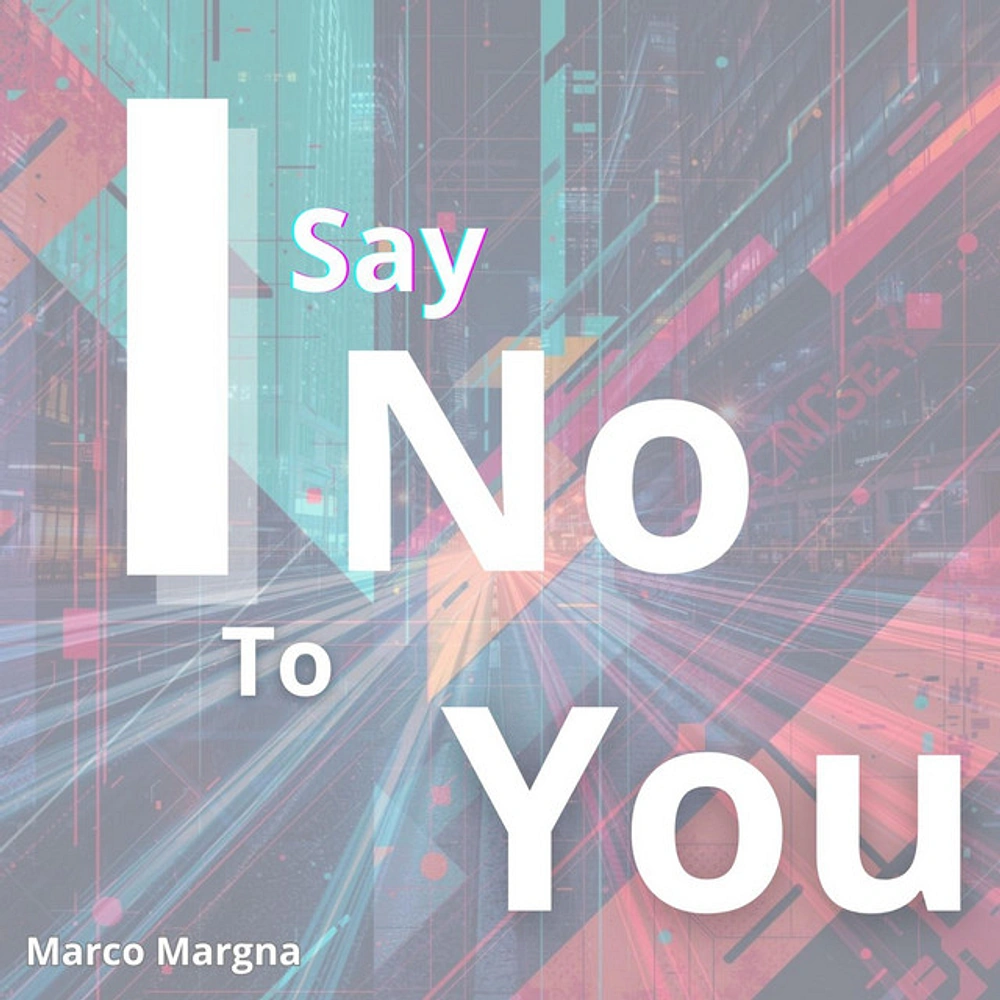
Songwriters who take the long route to a first proper platform tend to arrive with more finished than anyone expects, as with Marco Margna, who spent twenty years on other people's records before I Say No to You.

The Singer in My Band is out this week on Matador Records.

Marco Margna Spent Twenty Years on Other People's Records Before I Say No to You

Marco Margna Spent Twenty Years on Other People’s Records Before I Say No to You

The Estonian Producer Steps Out From Behind Other People's Records

Marco Margna released I Say No To You on 3 February 2026. It is a commercial vocal dance single, and it ships with a club mix attached. The audience is people who want their dance-pop sung rather than sampled. It comes from a producer who spent two decades making other people's records first.

https://open.spotify.com/track/2DOVeDtCxMjOEiwAZQ6Mhw

Marco Margna's music is in the playlist below, and this desk's coverage of him is collected on the Marco Margna profile. I Say No To You reached MusicDrops.News through PopHits.Co Music Charts, which verifies independent artists and places their releases across its network of music news desks. Put it on, then read on.

https://open.spotify.com/playlist/7LSn2pdm1phn9IASyfrO0M


Marco Margna Spent Twenty Years on Other People's Records Before I Say No to You

Twenty Years In The Studio Before Marco Margna Released His Own Single

Margna works out of Tallinn. The useful thing to know about him is that the studio came first.

By his own professional account he has spent twenty years arranging, mixing and mastering. He also writes advertising music and audio logos, and he has a longer-running interest in film. The last six of those years went into dance music, and into the sample and sound-bank material other producers buy.

That is an unusual order of operations. Most artists learn to record because they have songs. Margna had the craft first, and the catalogue followed. It shows in how he built I Say No To You, where nothing in the arrangement fights the vocal for room.

His catalogue up to this point was largely in Estonian. Kaotand pea, Tuhat aastat, On tõde vaid su enda sees, Me oleme noored, Nii kuum on öö and Deemon are all his. They are dance-pop records for a domestic audience rather than an export one. You're Always With Me was the first sign of the switch, and it came in two mixes, deep and afrohouse.

The One-Man Band That Feeds The Records

Alongside the releases there is a working performing life. Margna runs a one-man band across Estonia. He plays weddings, birthdays, company parties and private events, and he picks a repertoire that keeps a room dancing.

That is not a footnote to the recorded work. A performer watches which songs pull people onto a floor. He learns something a studio cannot teach, and you can hear it in what he chooses to keep short.

The background explains a second thing. A producer who spends six years supplying sound-bank material writes to someone else's brief, where the client owns the decisions. Releasing under his own name inverts that. The pop instincts on show here suggest he is comfortable with the swap.

What I Say No To You Does

The single is a refusal. The lyric addresses someone who has wasted the singer's time, and the chorus is the point where he stops absorbing it. Margna sings it plainly rather than belting it. That is the right call, because the line lands harder said than shouted.

It opens with bright synths and settles into a melody with a disco lean. Then it builds to the chorus over a four-to-the-floor arrangement. Good Music Radar reviewed the track in February 2026 and heard the same shape: a shimmering opening, a catchy disco-leaning melody, and a vocal that finally stands its ground. The review singled out the sound design. That is what you would expect from someone who mixes for a living.

The release runs to two tracks. The original is two minutes twenty-five, short by any standard and deliberately so. The club mix runs to three minutes ten. The extra time goes to the intro and outro a DJ actually needs.

From the Curator Team: "The two-version release is the tell. Cutting the single to two and a half minutes and then issuing a longer club edit solves two separate problems, one for a playlist and one for a floor. You only bother with that if you have stood behind a mixing desk at a real party and watched what happens when the intro is too short."

Who It Is For And Where Marco Margna Goes Next

The audience for this is specific. It is people who follow commercial vocal dance and electronic pop. They want a human voice at the centre of a dance record, and they are not after a twelve-minute progressive build. If your listening runs to vocal-led dance-pop with a clean top line, this sits inside your range.

The signal the release sends is the more interesting part. Moving from Estonian-language dance-pop to English widens the audience on purpose. Attaching a club mix says he wants DJs as well as playlists. The catalogue now splits across two languages, and the English side holds two entries. A third is the obvious next step.

I Say No To You is out now on Spotify.

Follow Marco Margna across platforms: Spotify artist page, SoundCloud, YouTube channel, Instagram, TikTok, and Facebook. He lists his live work on the official site.