Marco Margna Spent Twenty Years on Other People’s Records Before I Say No to You

Marco Margna Spent Twenty Years on Other People's Records Before I Say No to You
The Estonian Producer Steps Out From Behind Other People’s Records
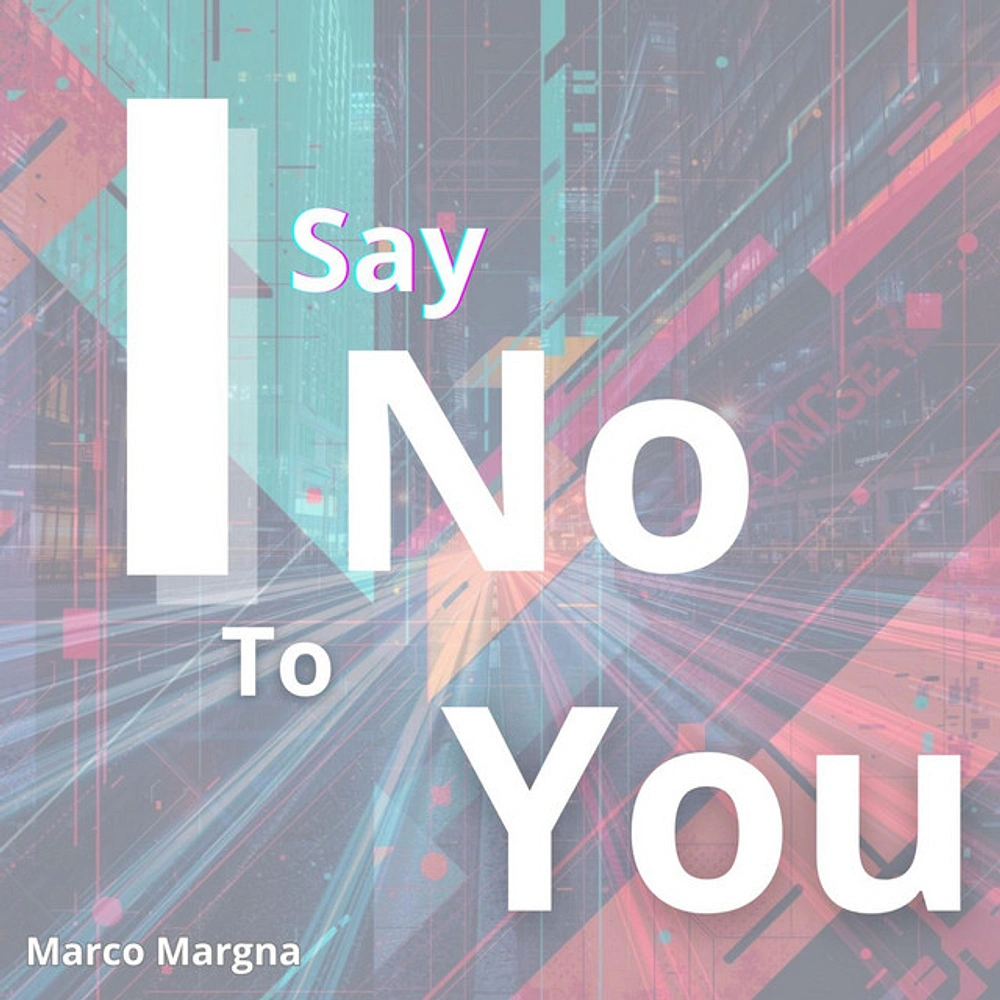
Marco Margna released I Say No To You on 3 February 2026. It is a commercial vocal dance single, and it ships with a club mix attached. The audience is people who want their dance-pop sung rather than sampled. It comes from a producer who spent two decades making other people’s records first.
Marco Margna’s music is in the playlist below, and this desk’s coverage of him is collected on the Marco Margna profile. I Say No To You reached MusicDrops.News through PopHits.Co Music Charts, which verifies independent artists and places their releases across its network of music news desks. Put it on, then read on.

Twenty Years In The Studio Before Marco Margna Released His Own Single
Margna works out of Tallinn. The useful thing to know about him is that the studio came first.
By his own professional account he has spent twenty years arranging, mixing and mastering. He also writes advertising music and audio logos, and he has a longer-running interest in film. The last six of those years went into dance music, and into the sample and sound-bank material other producers buy.
That is an unusual order of operations. Most artists learn to record because they have songs. Margna had the craft first, and the catalogue followed. It shows in how he built I Say No To You, where nothing in the arrangement fights the vocal for room.
His catalogue up to this point was largely in Estonian. Kaotand pea, Tuhat aastat, On tõde vaid su enda sees, Me oleme noored, Nii kuum on öö and Deemon are all his. They are dance-pop records for a domestic audience rather than an export one. You’re Always With Me was the first sign of the switch, and it came in two mixes, deep and afrohouse.

The One-Man Band That Feeds The Records
Alongside the releases there is a working performing life. Margna runs a one-man band across Estonia. He plays weddings, birthdays, company parties and private events, and he picks a repertoire that keeps a room dancing.
That is not a footnote to the recorded work. A performer watches which songs pull people onto a floor. He learns something a studio cannot teach, and you can hear it in what he chooses to keep short.
The background explains a second thing. A producer who spends six years supplying sound-bank material writes to someone else’s brief, where the client owns the decisions. Releasing under his own name inverts that. The pop instincts on show here suggest he is comfortable with the swap.

What I Say No To You Does
The single is a refusal. The lyric addresses someone who has wasted the singer’s time, and the chorus is the point where he stops absorbing it. Margna sings it plainly rather than belting it. That is the right call, because the line lands harder said than shouted.
It opens with bright synths and settles into a melody with a disco lean. Then it builds to the chorus over a four-to-the-floor arrangement. Good Music Radar reviewed the track in February 2026 and heard the same shape: a shimmering opening, a catchy disco-leaning melody, and a vocal that finally stands its ground. The review singled out the sound design. That is what you would expect from someone who mixes for a living.
The release runs to two tracks. The original is two minutes twenty-five, short by any standard and deliberately so. The club mix runs to three minutes ten. The extra time goes to the intro and outro a DJ actually needs.
From the Curator Team: “The two-version release is the tell. Cutting the single to two and a half minutes and then issuing a longer club edit solves two separate problems, one for a playlist and one for a floor. You only bother with that if you have stood behind a mixing desk at a real party and watched what happens when the intro is too short.”
Who It Is For And Where Marco Margna Goes Next
The audience for this is specific. It is people who follow commercial vocal dance and electronic pop. They want a human voice at the centre of a dance record, and they are not after a twelve-minute progressive build. If your listening runs to vocal-led dance-pop with a clean top line, this sits inside your range.
The signal the release sends is the more interesting part. Moving from Estonian-language dance-pop to English widens the audience on purpose. Attaching a club mix says he wants DJs as well as playlists. The catalogue now splits across two languages, and the English side holds two entries. A third is the obvious next step.
I Say No To You is out now on Spotify.
Follow Marco Margna across platforms: Spotify artist page, SoundCloud, YouTube channel, Instagram, TikTok, and Facebook. He lists his live work on the official site.















About The Author